

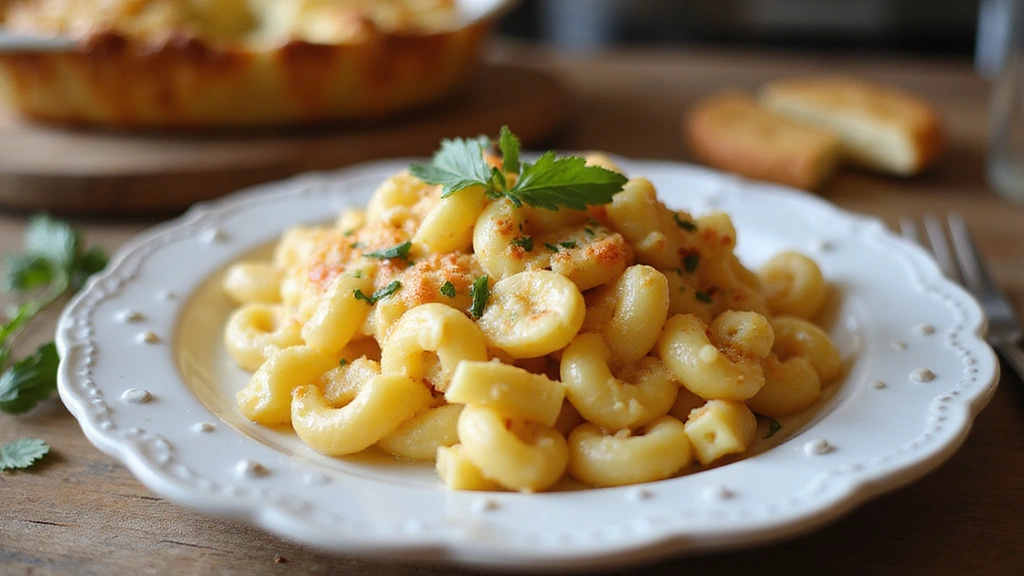
Mac and cheese is a timeless classic that holds a special place in many hearts.
Its creamy, cheesy goodness offers a comforting embrace that’s perfect for any occasion.
I first learned to make this dish from my grandmother, who passed down her cherished recipe to me.
The blend of sharp cheddar and smooth, creamy sauce creates an irresistible flavor profile.
Whether it’s a cozy family dinner or a festive holiday gathering, homemade mac and cheese never fails to impress.
The History and Cultural Significance
• Mac and Cheese traces its origins to Italy in the 13th century, where it was originally created by combining pasta with Parmesan cheese.
• The dish evolved over decades as it traveled to England and later to America, eventually becoming the beloved version we know today.
• In American culture, this dish traditionally appears at Thanksgiving and family gatherings, symbolizing comfort and togetherness.
• While many variations exist across different regions, the authentic version maintains a rich, creamy cheese sauce that sets it apart from imitations.
Recipe Overview
Nutritional Information (per serving)
Essential Equipment Guide
Large Pot: A large pot is essential for boiling the pasta evenly and preventing it from sticking together. Alternatives like a Dutch oven can also work, but ensure it has sufficient capacity.
Whisk: A whisk is crucial for creating a smooth cheese sauce without lumps. Look for a whisk with a comfortable grip and sturdy wires.
Casserole Dish: A casserole dish is important for baking the mac and cheese evenly, allowing the top to become golden and crispy. Choose one that is oven-safe and has a lid for easy storage.
Ingredients
For the Base
|
|
| Amount | Ingredient | Notes |
|---|---|---|
| 8 ounces | elbow macaroni | cooked al dente |
For the Sauce
| Amount | Ingredient | Notes |
|---|---|---|
| 2 tablespoons | butter | adds richness |
| 2 tablespoons | all-purpose flour | thickens the sauce |
| 2 cups | milk | provides creaminess |
| 2 cups | sharp cheddar cheese | grated, adds sharp flavor |
Seasonings
| Amount | Ingredient | Notes |
|---|---|---|
| 1 teaspoon | salt | enhances flavor |
| 0.5 teaspoon | black pepper | adds subtle heat |
| 0.5 teaspoon | paprika | adds color and flavor |
Preparation Methods
Roux Making: Creating a roux involves heating equal parts butter and flour to form a paste. This is crucial for thickening the cheese sauce and ensuring a smooth texture. Stir constantly to prevent burning.
Cheese Melting: Gradually adding cheese to the sauce and stirring gently prevents clumping and ensures even melting. Use a low heat setting to avoid curdling.
Pasta Cooking: Cook pasta to al dente to prevent it from becoming mushy when baked. Test a piece by biting into it; it should be firm but not hard.
Step 1: Prepare Ingredients
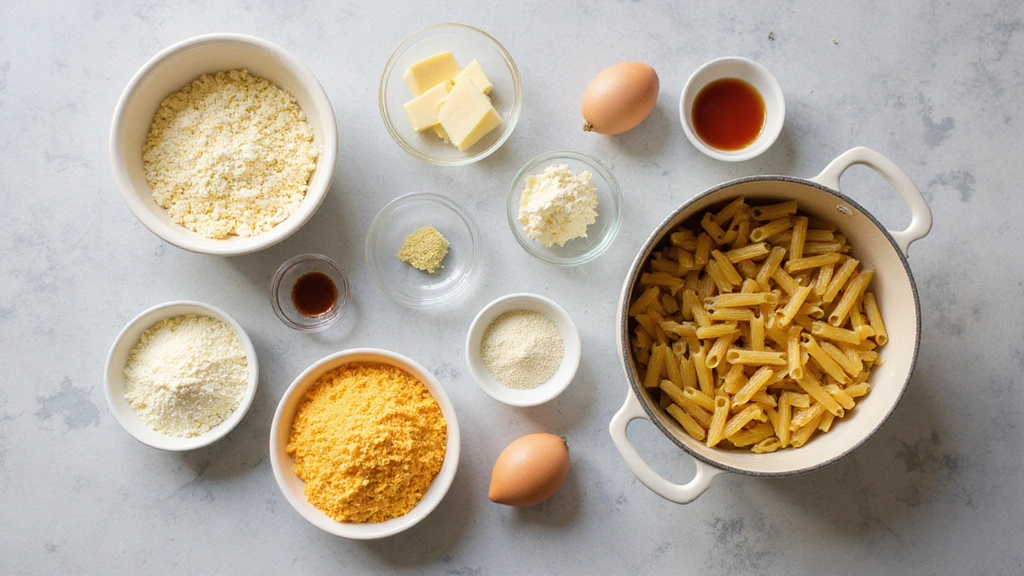
Gather all the ingredients and measure them accurately.
Ensure the cheese is grated and the pasta is cooked to al dente.
Check that all seasonings are within reach for easy access.
Organize the workspace to make the cooking process seamless.
Step 2: Make the Roux
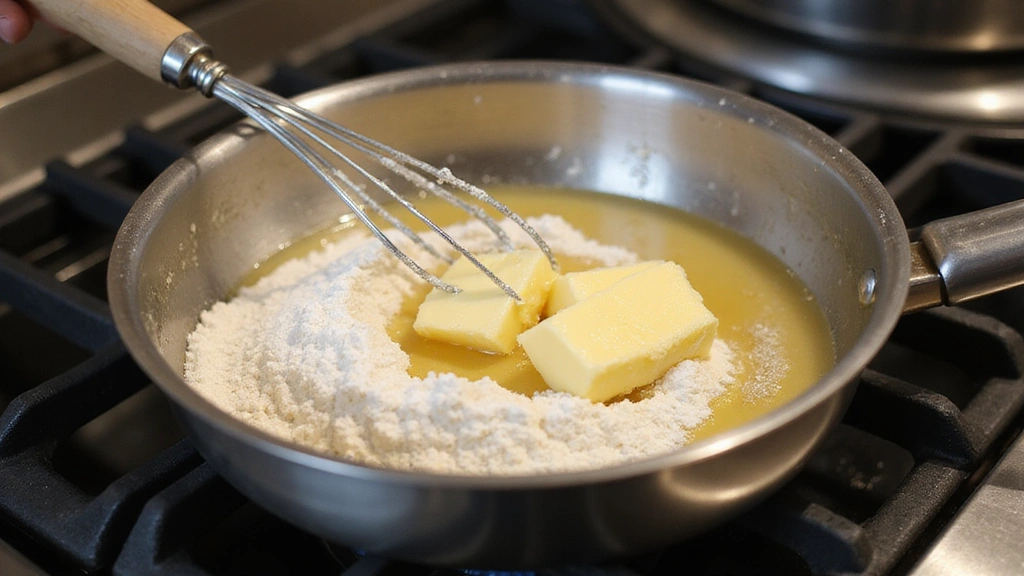
Melt butter in a saucepan over medium heat until fully melted.
Add flour to the melted butter and whisk continuously.
Cook the mixture for about 2 minutes until it turns a light golden color.
Ensure the roux is smooth without any lumps.
Step 3: Prepare the Cheese Sauce
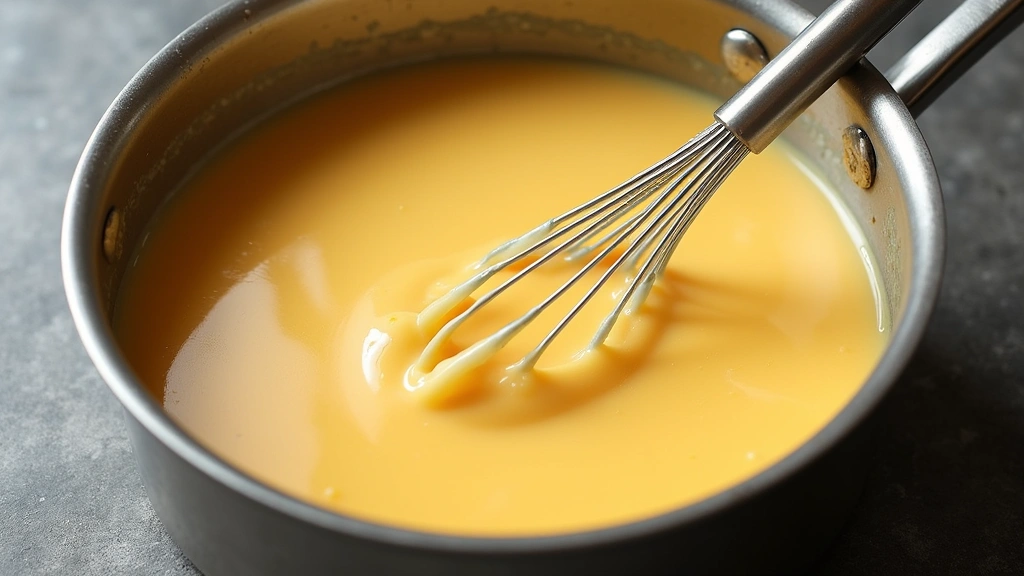
Slowly pour milk into the roux while whisking constantly.
Continue to whisk until the mixture thickens and is smooth.
Reduce heat to low and gradually add grated cheddar cheese.
Stir until the cheese is fully melted and the sauce is creamy.
Step 4: Season the Sauce
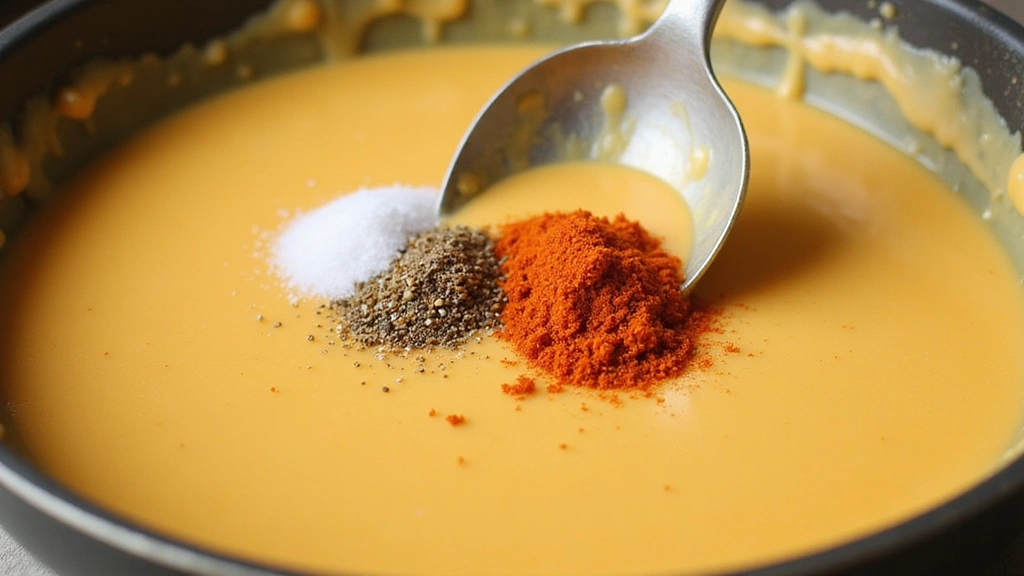
Add salt, black pepper, and paprika to the cheese sauce.
Stir well to incorporate the seasonings evenly throughout the sauce.
Taste the sauce and adjust seasoning if necessary.
Ensure the sauce has a balanced flavor profile.
Step 5: Combine Pasta and Sauce
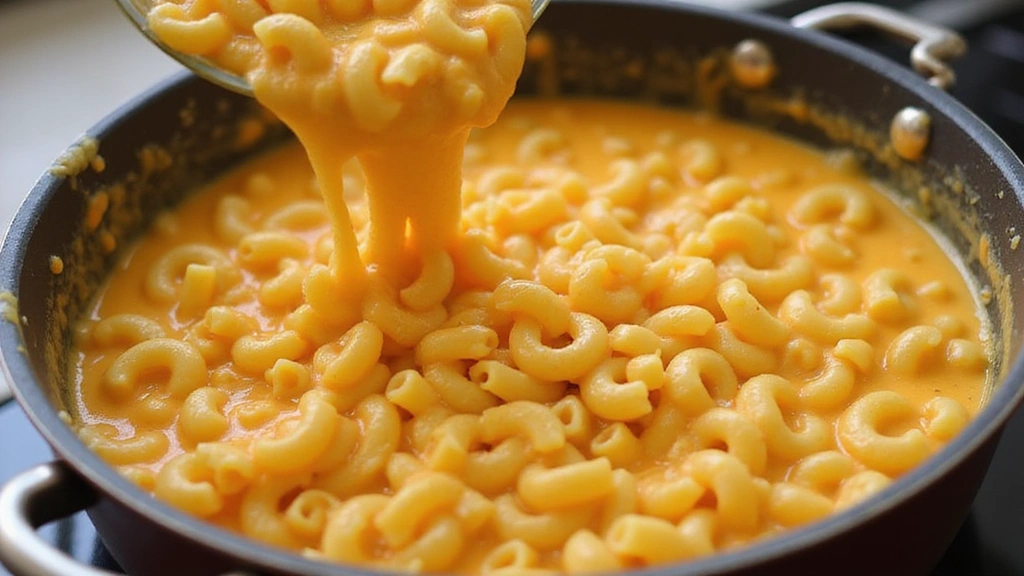
Add the cooked pasta to the cheese sauce in the saucepan.
Stir gently to coat the pasta evenly with the sauce.
Ensure every piece of pasta is well-covered with the cheese sauce.
Check that the pasta is not sticking together.
Step 6: Transfer to Baking Dish
Preheat the oven to 350°F (175°C).
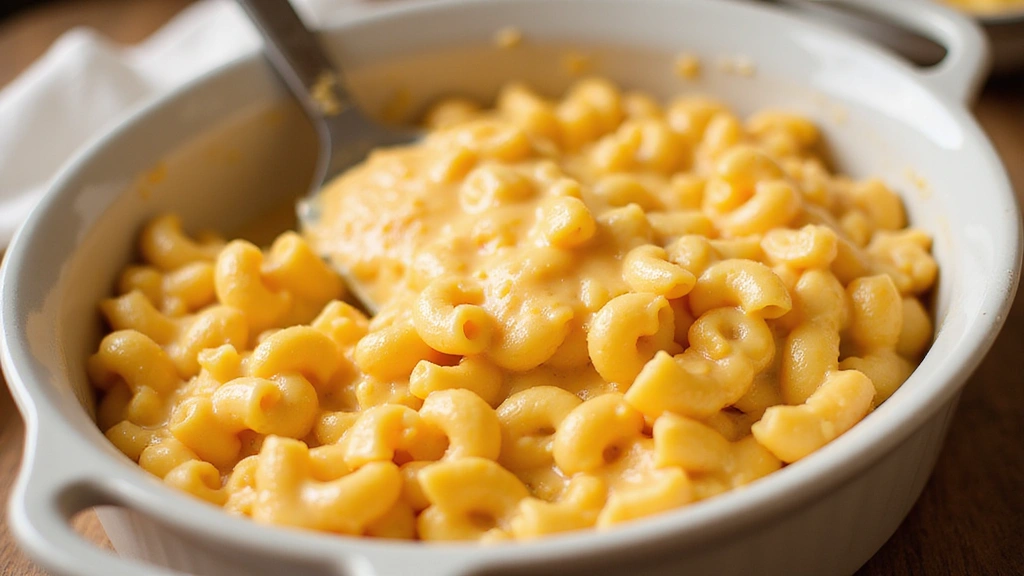
Pour the pasta and sauce mixture into a greased casserole dish.
Spread the mixture evenly in the dish with a spatula.
Ensure the top is smooth and level for even baking.
Step 7: Bake the Mac and Cheese
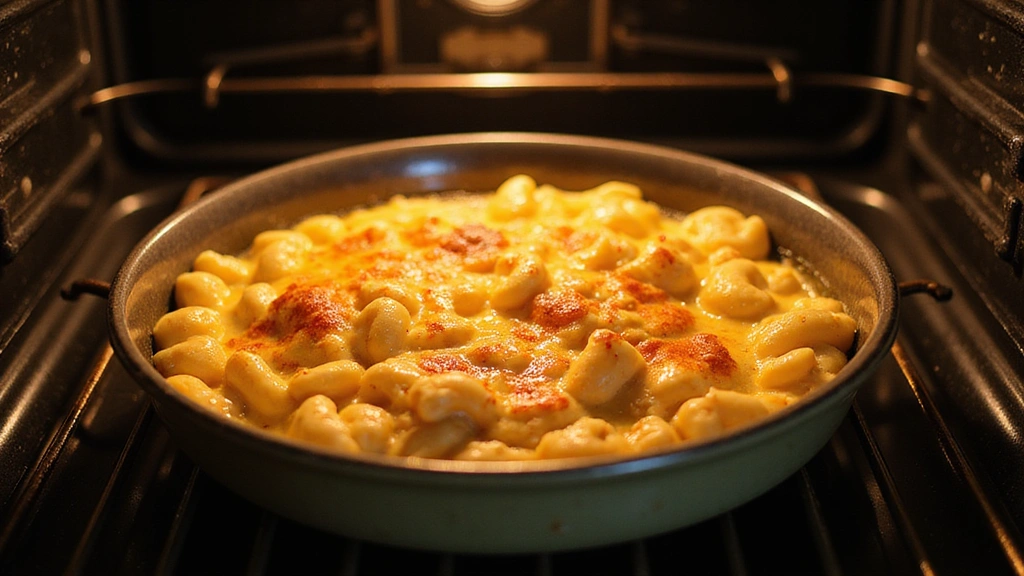
Place the casserole dish in the preheated oven.
Bake for 20-25 minutes until the top is golden and bubbly.
Check for doneness by looking for a crispy top layer.
Ensure the dish is heated through and the cheese is melted.
Step 8: Serve and Enjoy
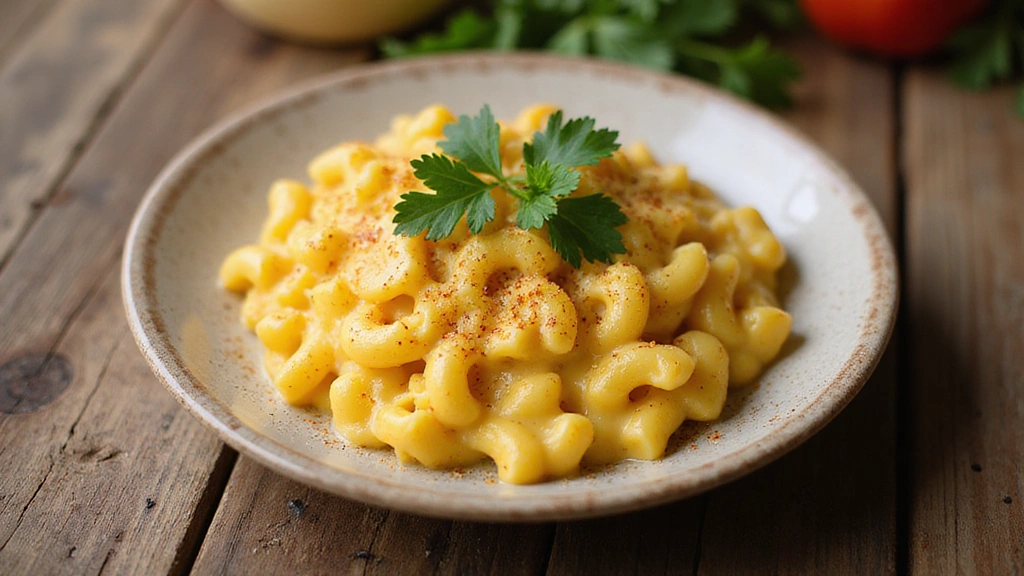
Remove the dish from the oven and let it cool for 5 minutes.
Scoop servings onto plates using a large spoon.
Garnish with fresh herbs like parsley for an added touch.
Serve hot and enjoy the creamy, cheesy goodness.
Critical Timing and Temperature Guide
Roux Cooking: Cook the roux for exactly 2 minutes over medium heat until light golden brown. Avoid high heat to prevent burning.
Cheese Sauce Preparation: Maintain low heat while adding cheese to avoid curdling. The sauce should be thick and smooth.
Baking: Bake at 350°F (175°C) for 20-25 minutes until the top is golden. Avoid undercooking as it may result in a soupy texture.
Pro Tips for Mac and Cheese
• Ingredient Selection: Opt for high-quality sharp cheddar cheese for the best flavor. Look for cheese that is aged for added depth.
• Preparation Secret: Toast breadcrumbs with butter and sprinkle on top before baking for added texture.
• Temperature Management: Use room temperature milk to prevent a temperature shock when making the sauce.
• Texture Enhancement: Stir pasta gently to avoid breaking it and ensure a smooth, creamy consistency.
• Flavor Layering: Add a pinch of nutmeg to the cheese sauce for a subtle depth of flavor that's unexpected but delightful.
• Make-Ahead Strategies: Prepare the cheese sauce a day in advance and store it in the fridge. Reheat gently before combining with pasta.
• Restaurant-Quality Finishing Touches: Add a drizzle of truffle oil before serving for an upscale touch.
• Equipment Optimization: Use a non-stick saucepan for the cheese sauce to prevent sticking and make cleanup easier.
Troubleshooting Common Issues
• Texture Too Dense: Overcooking the pasta can lead to a dense texture. Ensure pasta is cooked to al dente and not overbaked.
• Sauce Clumps: Cheese added too quickly can cause clumping. Add cheese gradually and stir continuously over low heat.
• Flavors Unbalanced: If the flavor is too bland, check seasoning levels and adjust salt and pepper accordingly.
• Sauce Too Thin: If the sauce is watery, ensure the roux is cooked properly and flour is not undercooked.
• Top Layer Not Crispy: If the top doesn't brown, consider broiling for the last few minutes for a crispy finish.
• Pasta Drying Out: To prevent drying, cover with foil during the first half of baking, then uncover to crisp the top.
Variations and Regional Differences
• Southern Style: Includes a mixture of cheddar and Colby cheese with a splash of hot sauce for a Southern kick.
• Italian Variation: Uses Parmesan and mozzarella cheese, with a sprinkle of Italian herbs for a Mediterranean twist.
• French Gourmet: Incorporates Gruyère cheese and a hint of Dijon mustard for a sophisticated flavor profile.
• New England Version: Adds lobster meat for a decadent, seafood-infused mac and cheese experience.
Food Science Behind the Recipe
• Emulsification: The process of combining fat from cheese and liquid from milk creates a smooth sauce. Understanding this helps maintain a creamy texture.
• Maillard Reaction: Baking the mac and cheese causes browning on the top, enhancing flavor through the Maillard reaction.
• Gelatinization: Starch in the flour swells and thickens the sauce, a key step in achieving a proper consistency.
Frequently Asked Questions
What's the most common mistake people make when preparing mac and cheese? Overcooking the pasta is a frequent error, leading to a mushy texture. Always cook pasta to al dente.
Can I use different types of cheese? Yes, feel free to experiment with different cheeses, but keep cheddar as a base for its melting properties.
How do I prevent the sauce from becoming grainy? Use low heat when melting cheese and add it gradually.
Is it possible to make this recipe gluten-free? Yes, substitute gluten-free pasta and flour to make a gluten-free version.
Can I freeze leftover mac and cheese? Yes, you can freeze leftovers, but the texture might change. Reheat gently when needed.
How can I add extra protein to this dish? Consider adding cooked chicken or bacon for added protein and flavor.
Why is my cheese sauce separating? High heat can cause separation. Keep the temperature low and stir constantly.
Serving and Presentation Guide
• Traditional Presentation: Serve in a large casserole dish family-style, allowing guests to help themselves.
• Individual Servings: Portion into ramekins for individual servings, adding a personalized touch to each plate.
• Garnished Elegance: Top with fresh herbs and a sprinkle of paprika for color contrast and added flavor.
• Plated Sophistication: Use a ring mold to shape servings into neat, round portions for a refined presentation.
Conclusion

Homemade mac and cheese is a dish that brings warmth and joy to any table.
With a few simple steps, you can recreate this classic recipe in your own kitchen.
I encourage you to try it and share the delicious results with your loved ones.