

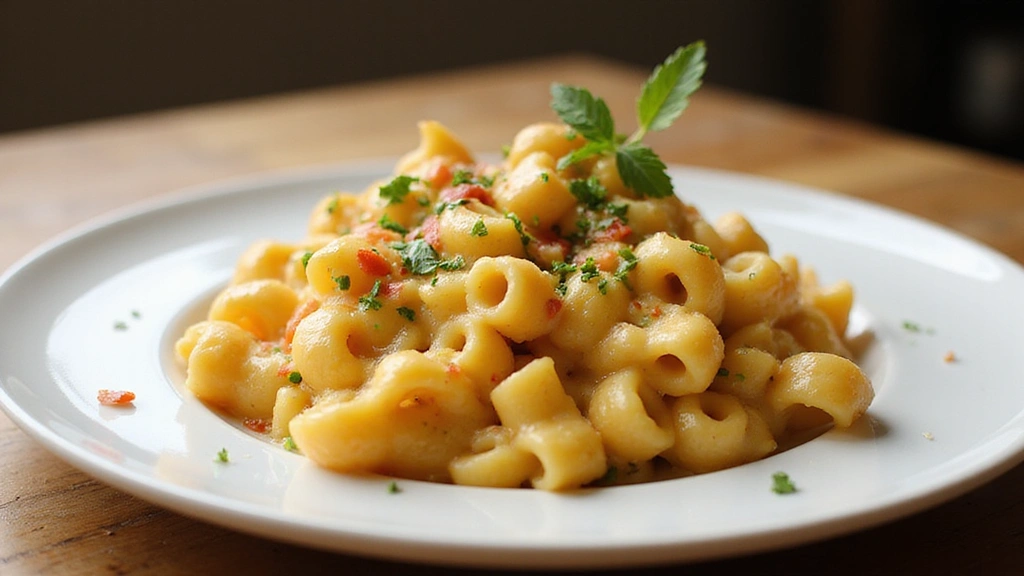
Mac and Cheese is the epitome of comfort food, yet often laden with calories.
This Healthier Mac and Cheese offers all the cheesy goodness with a lighter twist.
With a few smart ingredient swaps, you can enjoy this classic dish guilt-free.
Whether it’s a cozy family dinner or a potluck hit, this recipe will win hearts.
The creamy texture and rich flavor remain, but with a more health-conscious approach.
The History and Cultural Significance
• Healthier Mac and Cheese traces its origins to the early 20th century in the United States, where it was originally created by home cooks seeking a comforting yet convenient meal.
• The dish evolved over decades as processed cheese and packaged pasta became widely available, eventually becoming the beloved version we know today.
• In American culture, this dish traditionally appears at family gatherings and potlucks, symbolizing warmth and togetherness.
• While many variations exist across different regions, the authentic version maintains a creamy cheese sauce combined with tender pasta that sets it apart from imitations.
Recipe Overview
Nutritional Information (per serving)
Essential Equipment Guide
Medium-Sized Saucepan: A medium-sized saucepan is essential for creating the cheese sauce, as it provides even heat distribution. Alternatives like non-stick pans can also work, but ensure they have a thick base to prevent burning.
Cheese Grater: Freshly grated cheese melts more smoothly than pre-shredded varieties. A microplane or box grater can be used, and look for a sturdy design that won’t bend under pressure.
Baking Dish: A ceramic or glass baking dish is ideal for baking the mac and cheese, ensuring even cooking and a nice crust. Alternatives include cast iron skillets, which retain heat well.
Ingredients
For the Base
|
|
| Amount | Ingredient | Notes |
|---|---|---|
| 8 ounces | whole wheat elbow macaroni | provides fiber and nutrients |
For the Sauce
| Amount | Ingredient | Notes |
|---|---|---|
| 1 tablespoon | olive oil | adds richness |
| 2 tablespoons | all-purpose flour | thickening agent |
| 2 cups | low-fat milk | creates a creamy base |
| 1 1/2 cups | sharp cheddar cheese | adds depth of flavor |
Vegetables
| Amount | Ingredient | Notes |
|---|---|---|
| 1 cup | broccoli florets | adds nutrition and color |
Seasonings
| Amount | Ingredient | Notes |
|---|---|---|
| 1 teaspoon | garlic powder | enhances flavor |
| 1/2 teaspoon | mustard powder | adds a sharp note |
| 1/4 teaspoon | black pepper | provides subtle heat |
Preparation Methods
Roux Making: Creating a roux involves cooking equal parts fat and flour to thicken sauces. It's crucial for achieving a smooth cheese sauce. Stir constantly over medium heat until the mixture turns a light golden brown.
Steaming Vegetables: To retain nutrients and bright color in broccoli, steam it briefly before adding to the dish. Use a steamer basket and cook just until tender.
Grating Cheese: Grating cheese just before use ensures it melts evenly. Use long, smooth strokes on a box grater to prevent clumping.
Step 1: Prepare Ingredients
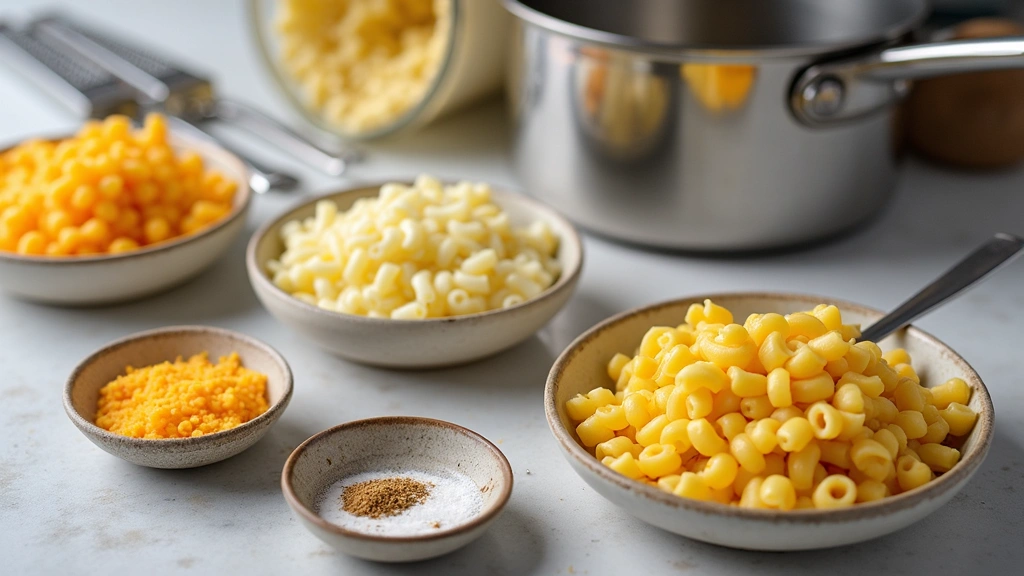
Gather all necessary ingredients and equipment.
Measure out each ingredient according to the recipe.
Preheat your oven to 350°F (175°C).
Ensure the cheese is freshly grated for optimal melting.
Step 2: Cook the Pasta
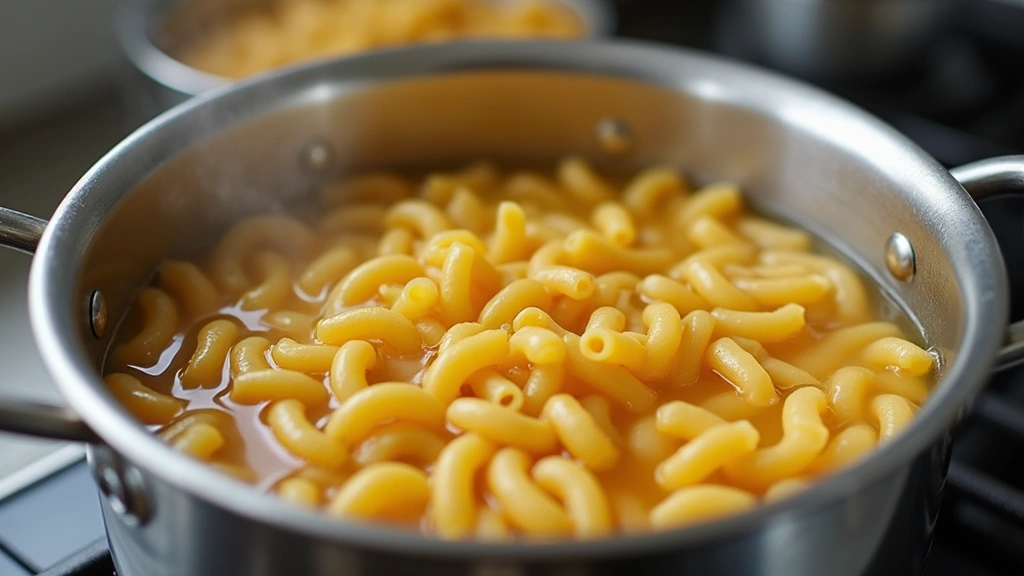
Bring a large pot of salted water to a boil.
Add the whole wheat elbow macaroni and cook until al dente.
Drain the pasta and set it aside.
Do not overcook, as it will continue cooking in the oven.
Step 3: Steam the Broccoli
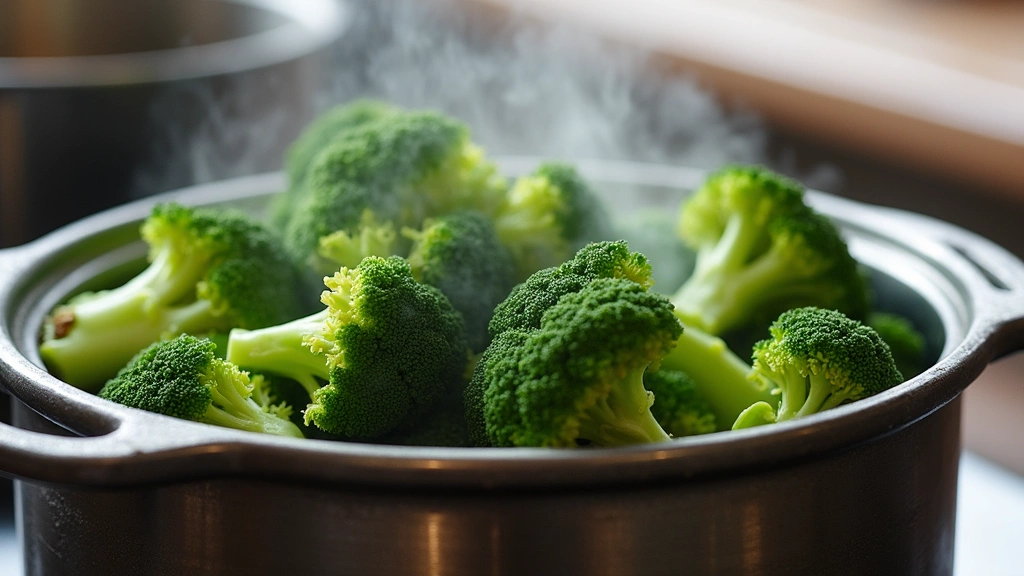
Place a steamer basket over a pot of simmering water.
Add the broccoli florets to the basket and cover with a lid.
Steam for 3-4 minutes until tender.
Remove the broccoli and set aside.
Step 4: Make the Roux
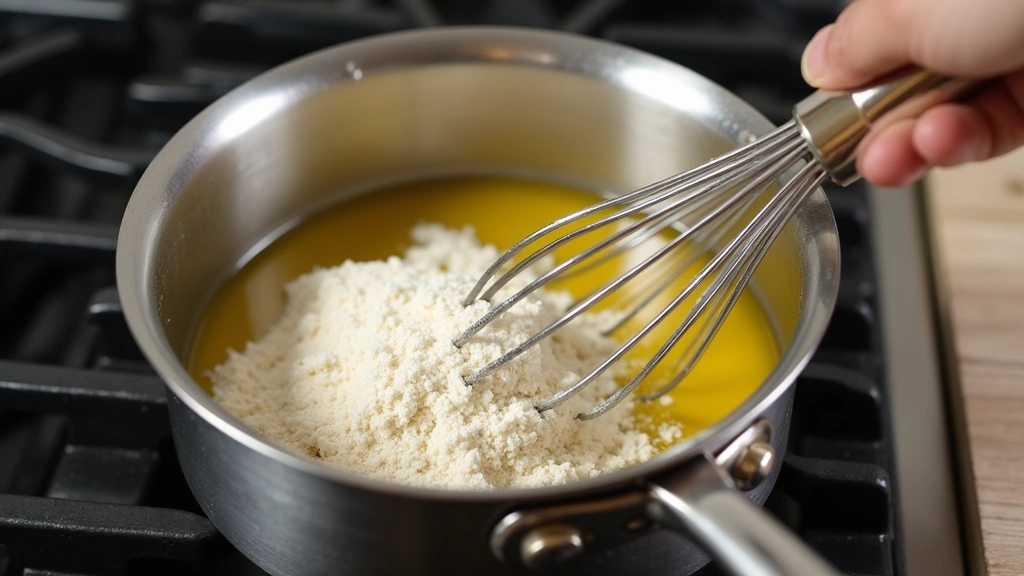
Heat olive oil in a medium-sized saucepan over medium heat.
Add the all-purpose flour and whisk continuously.
Cook until the mixture turns light golden brown.
This forms the base for your cheese sauce.
Step 5: Create the Cheese Sauce
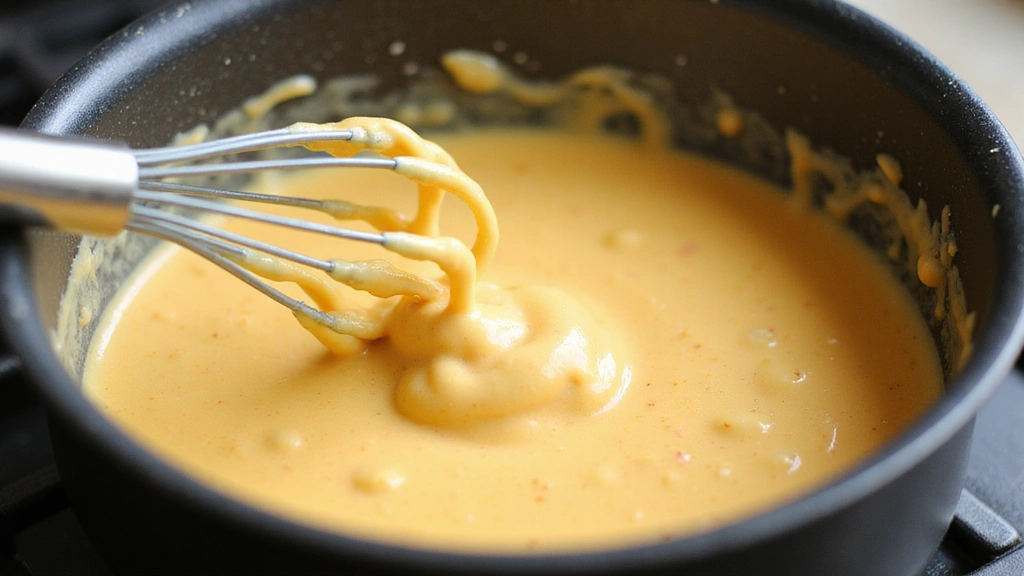
Slowly pour the low-fat milk into the roux, whisking constantly.
Continue to cook until the sauce thickens and bubbles.
Gradually add the grated cheddar cheese, stirring until melted.
Season with garlic powder, mustard powder, and black pepper.
Step 6: Combine Pasta and Broccoli
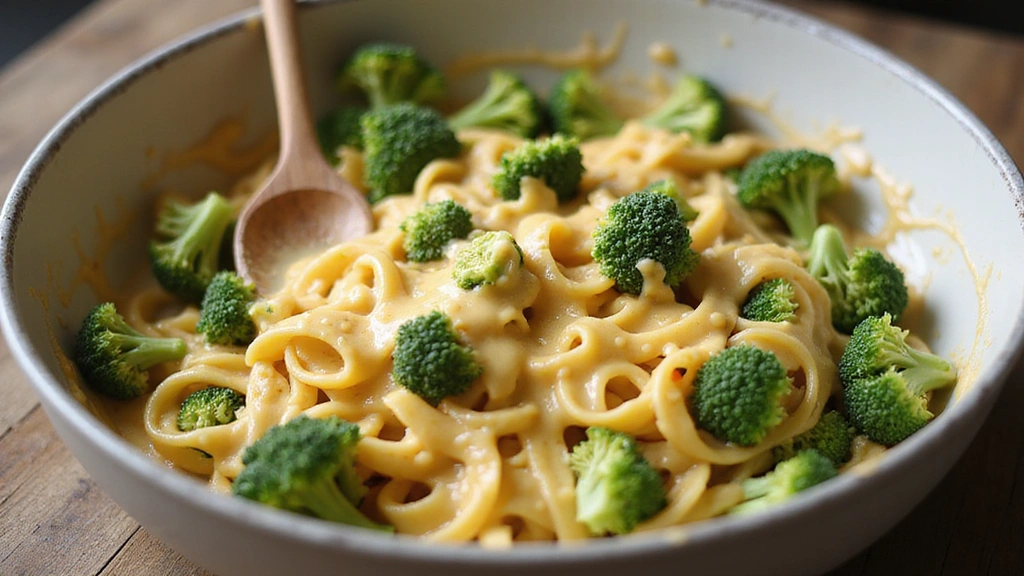
In a large bowl, combine the cooked pasta and steamed broccoli.
Pour the cheese sauce over the mixture.
Stir gently until everything is evenly coated.
Ensure all pasta and broccoli are covered with sauce.
Step 7: Transfer to Baking Dish
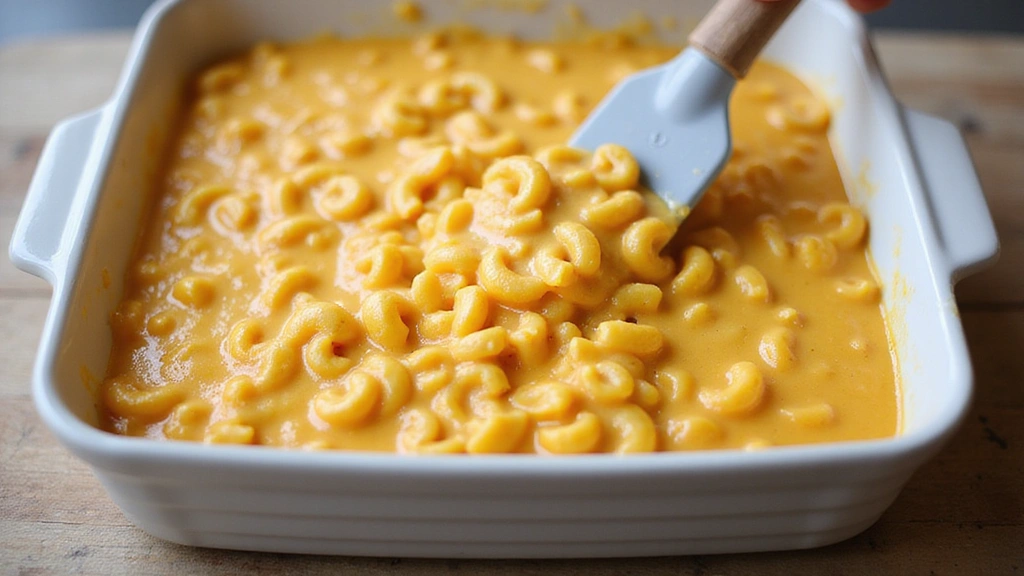
Lightly grease a baking dish with olive oil.
Pour the pasta mixture into the dish, spreading it evenly.
Smooth the top with a spatula.
Ensure there are no dry spots on the surface.
Step 8: Bake and Serve
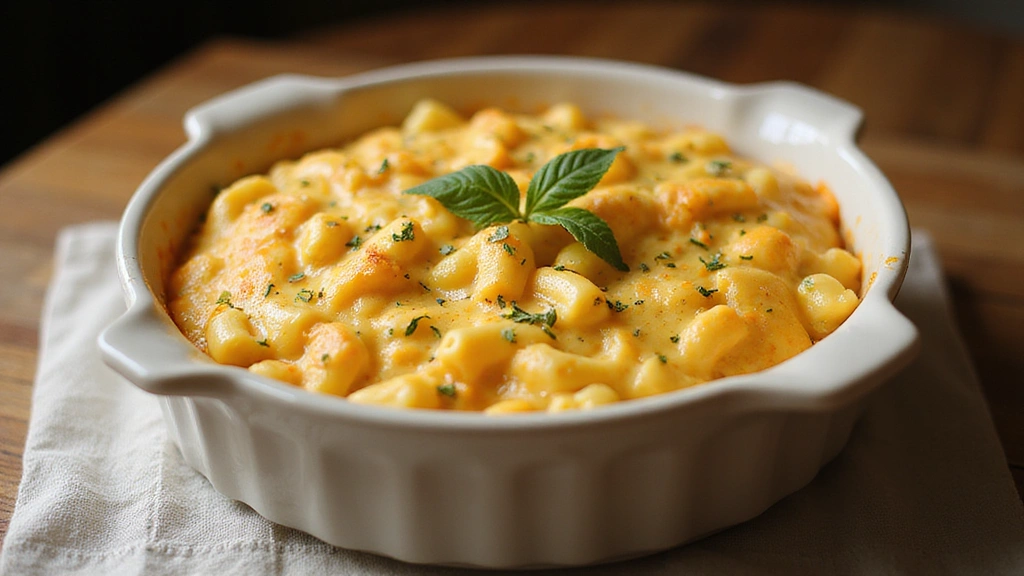
Place the baking dish in the preheated oven.
Bake for 20-25 minutes until the top is golden and bubbly.
Remove from oven and let cool slightly before serving.
Garnish with fresh herbs if desired.
Critical Timing and Temperature Guide
Roux Cooking: Cook the roux for exactly 2-3 minutes over medium heat, until it reaches a light golden color. Avoid high heat to prevent burning.
Broccoli Steaming: Steam broccoli for 3-4 minutes only to preserve nutrients and color. Over-steaming leads to mushy texture.
Baking: Bake at 350°F (175°C) for 20-25 minutes. Look for a golden, bubbly top. Overbaking can dry out the pasta.
Pro Tips for Healthier Mac and Cheese
• Ingredient Selection: Use sharp cheddar cheese for robust flavor, allowing you to use less cheese overall without sacrificing taste.
• Preparation Secret: Toasting the flour in the roux enhances the nutty flavor and improves sauce texture.
• Temperature Management: Bring milk to room temperature before adding to the roux to prevent lumpiness and ensure smooth sauce.
• Texture Enhancement: Cook pasta to just shy of al dente to prevent it from becoming mushy after baking.
• Flavor Layering: Add a pinch of nutmeg to the cheese sauce for depth and complexity.
• Make-Ahead Strategies: Prepare the cheese sauce a day in advance and store in an airtight container in the fridge.
• Restaurant-Quality Finishing Touches: Sprinkle breadcrumbs mixed with parmesan on top before baking for a crispy crust.
• Equipment Optimization: Use a heavy-bottomed pot for the cheese sauce to maintain consistent heat and prevent burning.
Troubleshooting Common Issues
• Cheese Sauce Too Thick: This occurs if the roux is too thick or more flour was used than needed. Gradually whisk in more milk to reach desired consistency.
• Cheese Sauce Lumpy: Lumps form if the milk is added too quickly or is cold. Strain the sauce through a fine mesh sieve to remove lumps.
• Pasta Overcooked: Recognize overcooked pasta if it breaks easily when stirred. Next time, reduce boiling time by a minute.
• Lack of Flavor: If flavors seem flat, increase the mustard powder or add a splash of Worcestershire sauce for umami.
• Top Not Browning: If the top isn't browning, increase oven temperature to 375°F (190°C) for the last 5 minutes.
• Dry Mac and Cheese: If too dry, the sauce to pasta ratio may be off. Add a bit more milk to ensure creaminess.
Variations and Regional Differences
• Southern Style: This version includes pimento cheese and a dash of hot sauce, creating a spicier, tangier dish popular in Southern U.S. cuisine.
• Italian-Inspired: Uses mozzarella and parmesan, with a hint of basil and oregano, offering an Italian twist with a creamy béchamel base.
• Vegan Version: Incorporates nutritional yeast and cashew cream instead of cheese, suitable for plant-based diets.
• Mexican Influence: Includes jalapeños, cilantro, and a mix of cheddar and queso fresco, giving a spicy and fresh flair.
Food Science Behind the Recipe
• Emulsification: The process of creating a smooth cheese sauce by blending fats and liquids. Understanding emulsification helps achieve a creamy consistency without separation.
• Maillard Reaction: Occurs when baking the mac and cheese, creating the golden crust on top. This enhances flavor through browning reactions.
• Starch Gelatinization: Happens when cooking the pasta, where starches absorb water and swell, creating the ideal pasta texture for absorbing cheese sauce.
Frequently Asked Questions
What's the most common mistake people make when preparing Healthier Mac and Cheese? Overcooking the pasta, which results in a mushy texture after baking.
Can I use different types of cheese? Yes, mixing cheeses like gouda or jack can add unique flavors, but ensure they melt well.
How do I store leftovers? Store in an airtight container in the refrigerator for up to 3 days. Reheat gently to avoid drying out.
Can I freeze this dish? Yes, freeze before baking for best results. Thaw overnight in the fridge before baking.
What can I use instead of flour for the roux? Cornstarch or arrowroot can substitute, but adjust quantities as they thicken differently.
How do I prevent the sauce from separating? Keep heat moderate and stir continuously to ensure a stable emulsion.
What other vegetables can I add? Spinach, peas, or bell peppers can add extra nutrition and color.
Serving and Presentation Guide
• Traditional Presentation: Serve directly from the baking dish, allowing guests to spoon out portions.
• Individual Servings: Bake in ramekins for personal servings, creating a more elegant presentation.
• Buffet Style: Present in a large, shallow dish with a serving spoon, allowing guests to help themselves.
• Garnished Elegance: Top with fresh herbs like parsley or chives for a pop of color and freshness.
Conclusion
This Healthier Mac and Cheese brings comfort without compromise.
Try it for a satisfying meal that pleases both the palate and the conscience.
With each bite, enjoy the perfect blend of wholesome ingredients and rich flavors.