

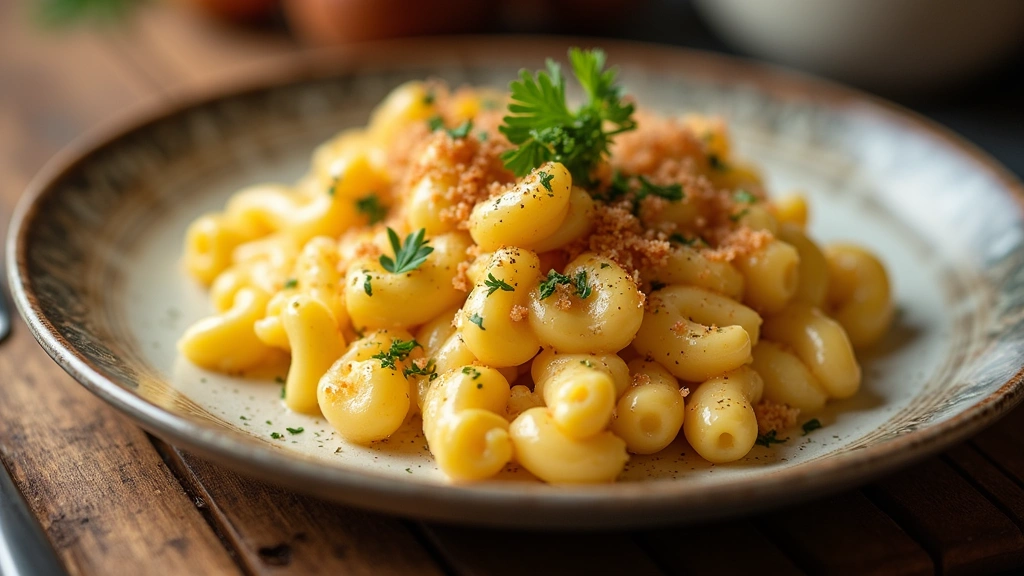
There’s something undeniably comforting about a bowl of creamy mac and cheese.
The rich, velvety sauce clings to tender pasta, creating a symphony of flavors and textures.
Panera’s mac and cheese is a beloved favorite, known for its creamy consistency and sharp cheddar flavor.
Recreating this dish at home allows you to enjoy its comforting taste anytime.
Whether it’s a rainy day or a family gathering, this copycat version promises to deliver the same delightful experience.
The History and Cultural Significance
• Copycat Panera Mac traces its origins to the United States, where it became popular in the early 2000s as part of Panera Bread’s menu.
• The dish evolved over decades as creamy cheese sauces and premium cheeses became more accessible, eventually becoming the beloved version we know today.
• In American culture, this dish traditionally appears at family dinners and potlucks, symbolizing comfort and togetherness.
• While many variations exist across different regions, the authentic version maintains a smooth, cheese-laden sauce that sets it apart from imitations.
Recipe Overview
Nutritional Information (per serving)
Essential Equipment Guide
Large Saucepan: A large saucepan is crucial for evenly melting the cheese and ensuring the sauce is smooth. A heavy-bottomed pan helps prevent scorching.
Whisk: A whisk is important for blending the cheese sauce, ensuring all ingredients combine smoothly without lumps. A silicone whisk can prevent scratching nonstick surfaces.
Pasta Pot: A large pasta pot with a strainer lid or a separate colander is essential for cooking the pasta to the perfect al dente texture.
Ingredients
For the Sauce
|
|
| Amount | Ingredient | Notes |
|---|---|---|
| 4 tablespoons | butter | adds richness |
| 1/4 cup | all-purpose flour | thickens the sauce |
| 2 cups | milk | creates creaminess |
| 1 cup | heavy cream | enhances richness |
| 2 cups | sharp white cheddar cheese | grated, for authentic flavor |
For the Pasta
| Amount | Ingredient | Notes |
|---|---|---|
| 8 ounces | shell pasta | traditional choice |
Seasonings
| Amount | Ingredient | Notes |
|---|---|---|
| 1 teaspoon | salt | enhances flavor |
| 1/2 teaspoon | black pepper | adds depth |
Preparation Methods
Roux Making: Roux is a mixture of fat and flour used to thicken sauces. It's vital for achieving the creamy texture of the cheese sauce. Cook the roux until it turns a light golden color, indicating the flour is cooked but not burned.
Cheese Melting: Gradually add cheese to the warm sauce while whisking continuously. This prevents clumping and ensures a smooth, uniform sauce. Avoid high heat, which can cause the cheese to separate.
Al Dente Pasta: Cook pasta until it's just tender but still firm to the bite. This prevents it from becoming mushy when combined with the sauce. Taste the pasta a minute before the recommended cooking time to ensure the right texture.
Step 1: Prepare Ingredients
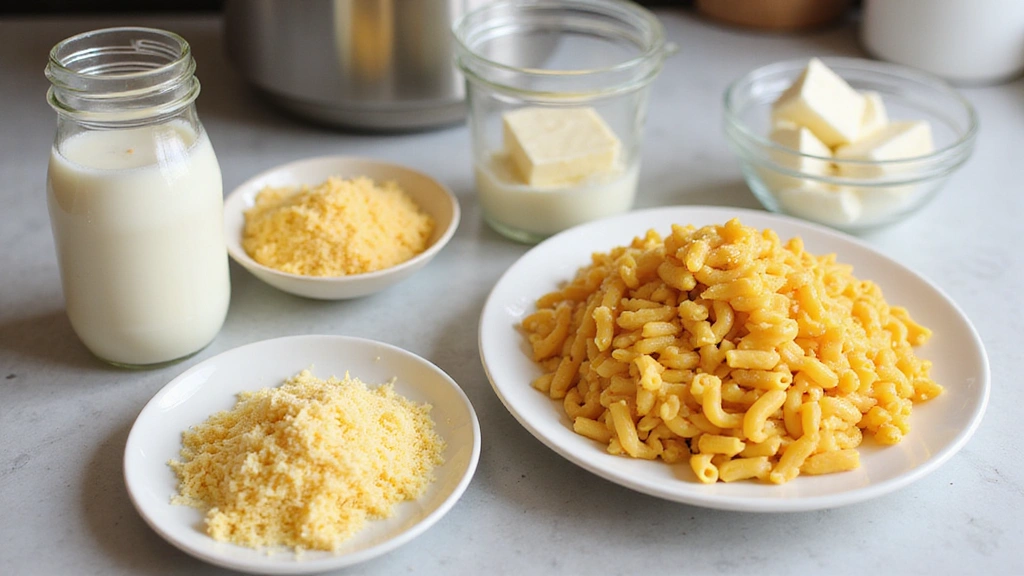
Gather all ingredients and measure them out.
Grate the sharp white cheddar cheese and set it aside.
This ensures a smooth cooking process without interruptions.
Having everything ready makes the cooking process more efficient.
Step 2: Cook the Pasta
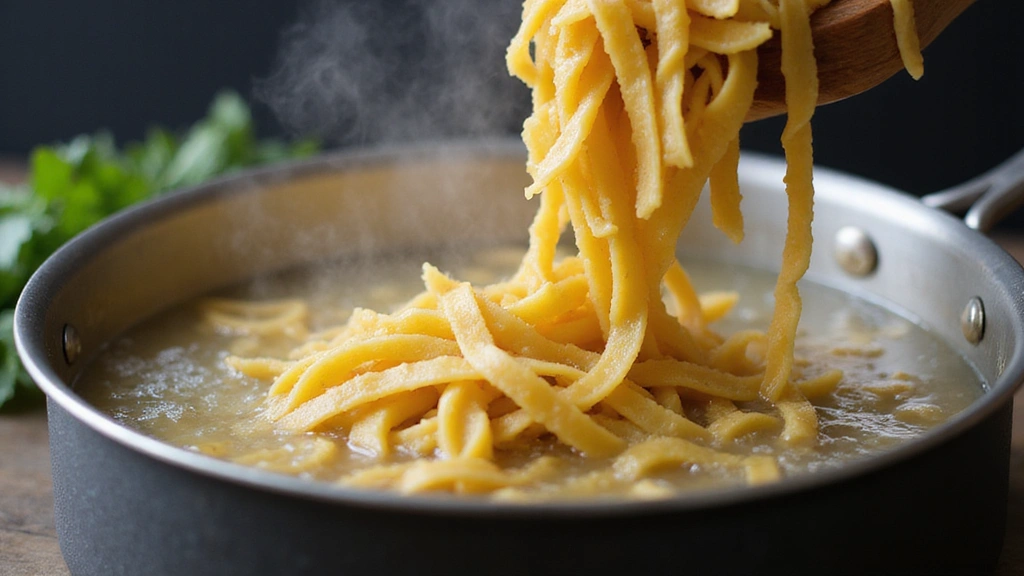
Fill a large pot with water and bring it to a boil.
Add a pinch of salt to the boiling water.
Cook the shell pasta according to package directions until al dente.
Drain the pasta and set it aside, reserving a bit of pasta water.
Step 3: Make the Roux
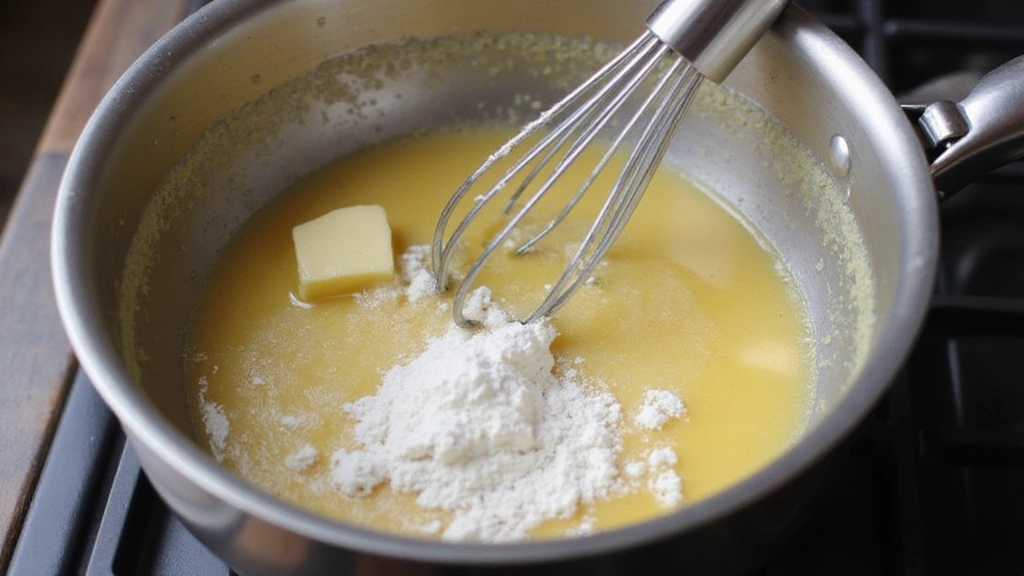
Melt butter in a large saucepan over medium heat.
Stir in the flour, whisking continuously to combine.
Cook the roux for about 1-2 minutes until it turns a light golden color.
This step ensures the flour is cooked and the roux is smooth.
Step 4: Create the Cheese Sauce
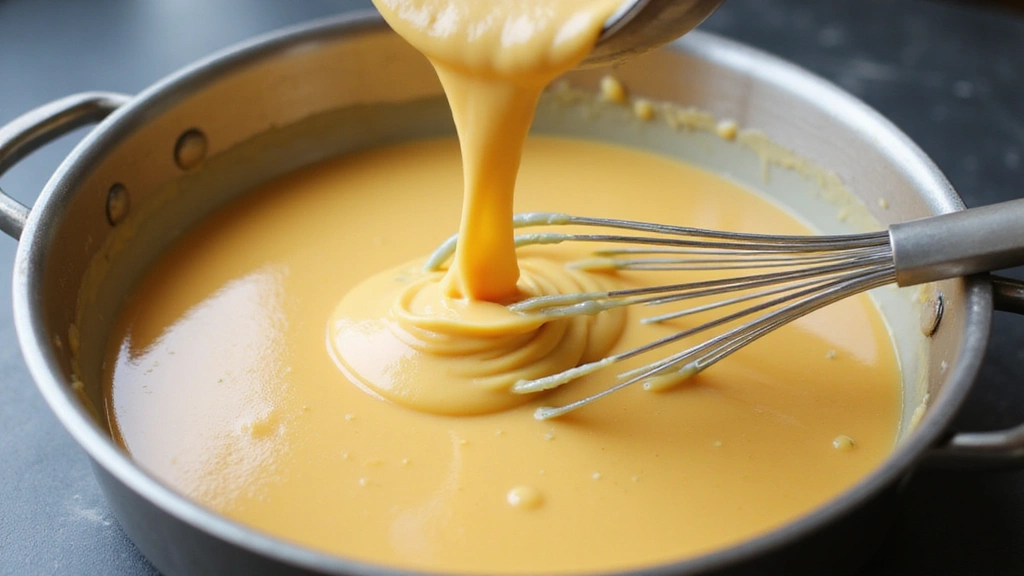
Slowly pour in the milk while whisking to avoid lumps.
Add the heavy cream and continue to whisk until the mixture thickens.
Gradually add the grated cheddar cheese, stirring until melted and smooth.
The sauce should be creamy without any clumps.
Step 5: Season the Sauce
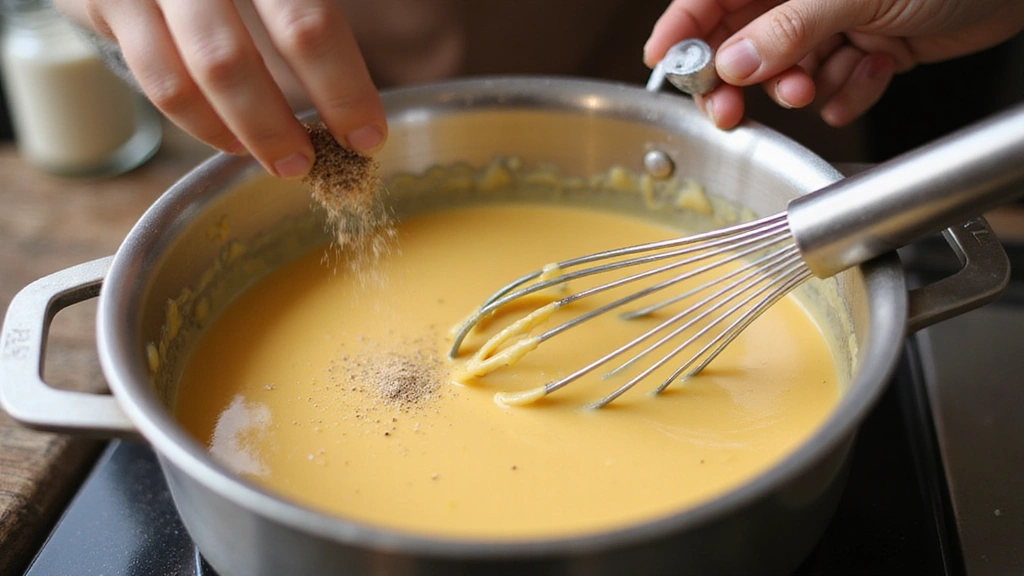
Add salt and black pepper to the cheese sauce.
Stir well to combine the seasonings evenly throughout.
Taste the sauce and adjust seasoning if necessary.
Proper seasoning enhances the dish's overall flavor.
Step 6: Combine Pasta and Sauce
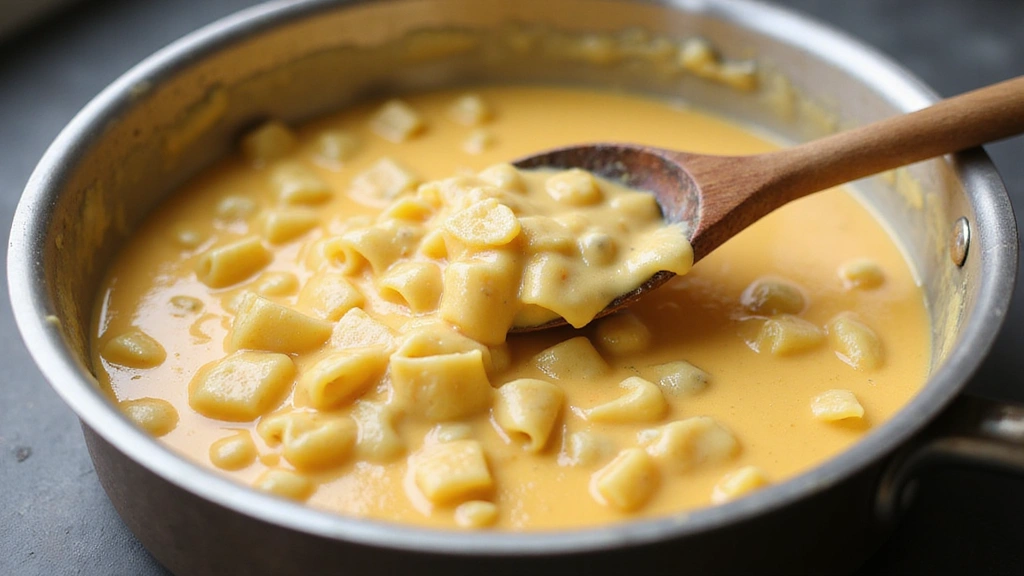
Add the cooked pasta to the cheese sauce.
Gently stir to coat the pasta evenly with the sauce.
If the sauce is too thick, add reserved pasta water gradually to loosen it.
Ensure every piece of pasta is well-coated with the sauce.
Step 7: Heat and Serve
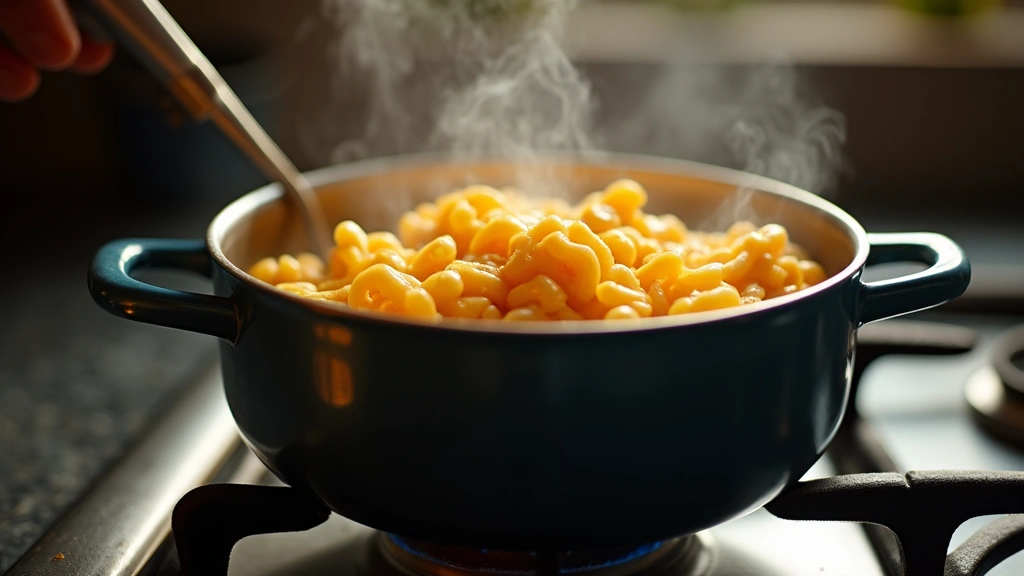
Place the saucepan back on low heat to warm through.
Stir occasionally to prevent sticking and ensure even heating.
Once heated thoroughly, remove from heat and prepare to serve.
The dish should be creamy and steaming hot.
Step 8: Garnish and Enjoy
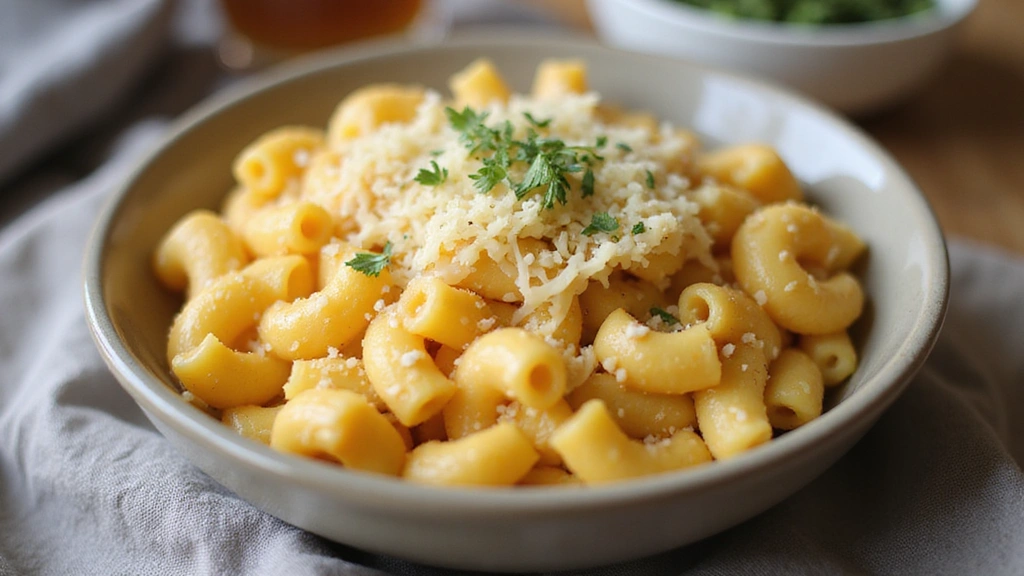
Transfer the mac and cheese to serving bowls.
Optionally, garnish with additional grated cheese or chopped herbs.
Serve immediately for the best texture and flavor.
Enjoy the creamy, cheesy delight with your favorite side dish.
Critical Timing and Temperature Guide
Cooking the Roux: Cook the roux for 1-2 minutes over medium heat until light golden. Avoid browning as it can lead to a bitter taste.
Cheese Sauce Thickness: Keep the heat low when adding cheese to prevent separation. The sauce should be smooth and coat the back of a spoon.
Pasta Cooking: Cook pasta for 7-9 minutes until al dente. Overcooking can lead to mushy pasta once combined with the sauce.
Pro Tips for Copycat Panera Mac
• Ingredient Selection: Use high-quality sharp cheddar cheese for the best flavor. The cheese is the star ingredient, and its quality directly impacts the dish.
• Preparation Secret: Reserve a bit of pasta water to adjust the sauce consistency. This starchy water helps the sauce cling better to the pasta.
• Temperature Management: Avoid high heat when combining cheese with the roux; it can cause the sauce to curdle.
• Texture Enhancement: Gradually add cheese and whisk continuously for a smooth sauce.
• Flavor Layering: Taste and adjust seasonings as needed. A bit of mustard powder can add depth and enhance cheese flavor.
• Make-Ahead Strategies: Prepare the cheese sauce in advance and store it in an airtight container for up to 3 days. Reheat gently before mixing with freshly cooked pasta.
• Restaurant-Quality Finishing Touches: Top with a sprinkle of grated cheese and a dash of paprika before serving for an appealing presentation.
• Equipment Optimization: Use a silicone whisk to avoid scratching nonstick pans, ensuring a smooth sauce without damaging cookware.
Troubleshooting Common Issues
• Sauce Too Thick: If the sauce is too thick, gradually add reserved pasta water while stirring until desired consistency is achieved.
• Sauce Separates: Separation can occur if the cheese is added too quickly or at too high a temperature. Lower the heat and whisk vigorously to bring it back together.
• Pasta Overcooked: If pasta is too soft, next time, cook it for less time or rinse it under cold water immediately after draining to stop cooking.
• Cheese Doesn't Melt Smoothly: Ensure cheese is at room temperature before adding to the sauce, and add it gradually while stirring.
• Flavors Too Mild: Adjust seasoning by adding a bit more salt and pepper, or consider adding a dash of hot sauce or mustard powder for depth.
Variations and Regional Differences
• Southern Style: Incorporates a blend of cheeses like cheddar and Monterey Jack, often baked with a breadcrumb topping for a crispy finish.
• Spicy Version: Adds jalapeños or hot sauce for a kick, appealing to those who enjoy a bit of heat in their mac and cheese.
• Italian Twist: Uses Parmesan and mozzarella, blending Italian herbs like basil and oregano for a unique flavor profile.
• Vegetarian Delight: Includes vegetables like broccoli or spinach, adding color and nutrition to the dish.
Food Science Behind the Recipe
• Emulsification: The process of creating a smooth sauce by combining fat and liquid, where the roux acts as an emulsifying agent, helping cheese blend seamlessly with milk.
• Gelatinization of Starch: As flour in the roux cooks, starch granules absorb liquid, swell, and thicken the sauce, creating the desired creamy texture.
• Protein Coagulation: Proper heat management ensures proteins in cheese don't coagulate excessively, preventing graininess in the sauce.
Frequently Asked Questions
What's the most common mistake people make when preparing mac and cheese? The most common mistake is using high heat, which can cause the cheese to separate or the sauce to scorch.
Can I use pre-shredded cheese? It's best to use freshly grated cheese as pre-shredded cheese often contains anti-caking agents that can affect the sauce's texture.
How can I make it gluten-free? Substitute the all-purpose flour with a gluten-free flour blend and use gluten-free pasta.
Can I freeze mac and cheese? Yes, you can freeze it, but the texture may change slightly. Reheat gently and add a splash of milk to restore creaminess.
What can I add for extra flavor? Consider adding cooked bacon, caramelized onions, or a dash of nutmeg for added depth.
How do I prevent the pasta from becoming mushy? Cook the pasta al dente and rinse with cold water after boiling to stop the cooking process.
Is there a way to make it less rich? Use a mix of milk and broth instead of cream, and reduce the amount of cheese slightly.
What's a good side dish to serve with mac and cheese? A fresh green salad or steamed vegetables complement the richness of the dish well.
Serving and Presentation Guide
• Traditional Presentation: Serve in individual bowls with a sprinkle of extra cheese and a dash of paprika on top for a classic look.
• Family Style: Present in a large casserole dish for communal sharing, garnished with fresh parsley.
• Gourmet Touch: Serve in small ramekins with a crispy breadcrumb topping for an elegant twist.
• Casual Setting: Pair with crusty bread or a side of grilled vegetables for a relaxed meal.
Conclusion
Recreating Panera's mac and cheese at home is a delightful way to enjoy its creamy goodness anytime.
With this comprehensive guide, you'll master the art of making this comforting dish with ease.
Try this recipe and bring the taste of Panera to your kitchen, impressing family and friends alike.