

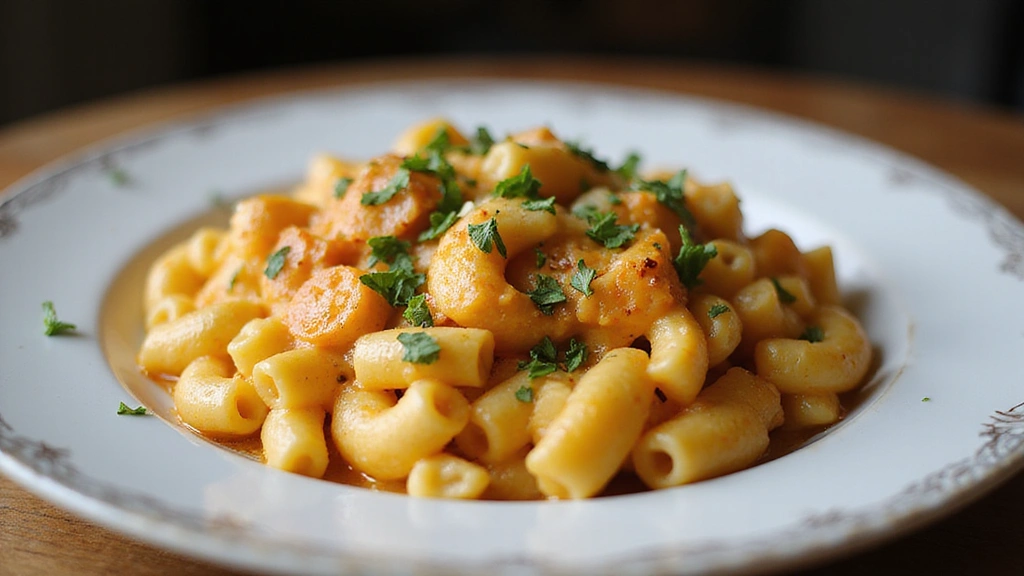
Smoked Mac and Cheese is the ultimate comfort food with a smoky twist that elevates it to a whole new level.
The creamy, cheesy pasta combined with the subtle smokiness creates a flavor explosion that captivates the taste buds.
I first encountered this dish at a backyard BBQ, where it was the star of the show, leaving a lasting impression on everyone who tried it.
Perfect for any outdoor gathering, this recipe is sure to impress your guests and become a staple in your culinary repertoire.
Whether you’re a seasoned pitmaster or a novice griller, the straightforward steps ensure you can achieve mouth-watering results every time.
The History and Cultural Significance
• Smoked Mac and Cheese traces its origins to the Southern United States, where it was originally created by home cooks combining classic mac and cheese with BBQ flavors.
• The dish evolved over decades as the popularity of smoked foods grew, with new techniques and ingredients enhancing its depth and complexity.
• In Southern culture, this dish traditionally appears at family gatherings and BBQs, symbolizing hospitality and comfort.
• While many variations exist across different regions, the authentic version maintains a rich, smoky flavor that sets it apart from imitations.
Recipe Overview
Nutritional Information (per serving)
Essential Equipment Guide
Smoker: A smoker is crucial for infusing the mac and cheese with authentic smoky flavor. Electric smokers offer convenience, while charcoal smokers provide a deeper, more complex smoke. Look for a smoker with consistent temperature control.
Cast Iron Skillet: Using a cast iron skillet ensures even heat distribution and adds a rustic touch to the dish. Alternatives include oven-safe baking dishes, but cast iron enhances the smoke penetration.
Cheese Grater: Freshly grated cheese melts more evenly and provides better flavor than pre-shredded options. A box grater or food processor with a grating attachment will work well.
Ingredients
For the Base
|
|
| Amount | Ingredient | Notes |
|---|---|---|
| 1 pound | elbow macaroni | cooked according to package instructions |
| 2 cups | whole milk | adds creaminess |
| 2 tablespoons | butter | for richness |
For the Sauce
| Amount | Ingredient | Notes |
|---|---|---|
| 3 cups | sharp cheddar cheese | freshly grated |
| 1 cup | smoked gouda | freshly grated, enhances smoky flavor |
| 1 cup | parmesan cheese | freshly grated, adds depth |
Seasonings
| Amount | Ingredient | Notes |
|---|---|---|
| 1 teaspoon | smoked paprika | adds extra smokiness |
| 1 teaspoon | salt | enhances flavor |
| 1 teaspoon | black pepper | for subtle heat |
Preparation Methods
Smoking: Smoking involves cooking food at a low temperature with indirect heat using wood chips for flavor. Maintaining a steady temperature and choosing the right wood type, such as hickory or apple, is crucial for the best results.
Mornay Sauce Preparation: A Mornay sauce is a béchamel sauce with cheese. It's essential for a smooth, creamy texture. Whisk continuously to prevent lumps and ensure the cheese melts evenly.
Cheese Grating: Grate cheese just before use to prevent clumping and ensure it melts smoothly. Use a fine grater for softer cheeses like gouda to enhance the sauce's texture.
Step 1: Prepare Ingredients
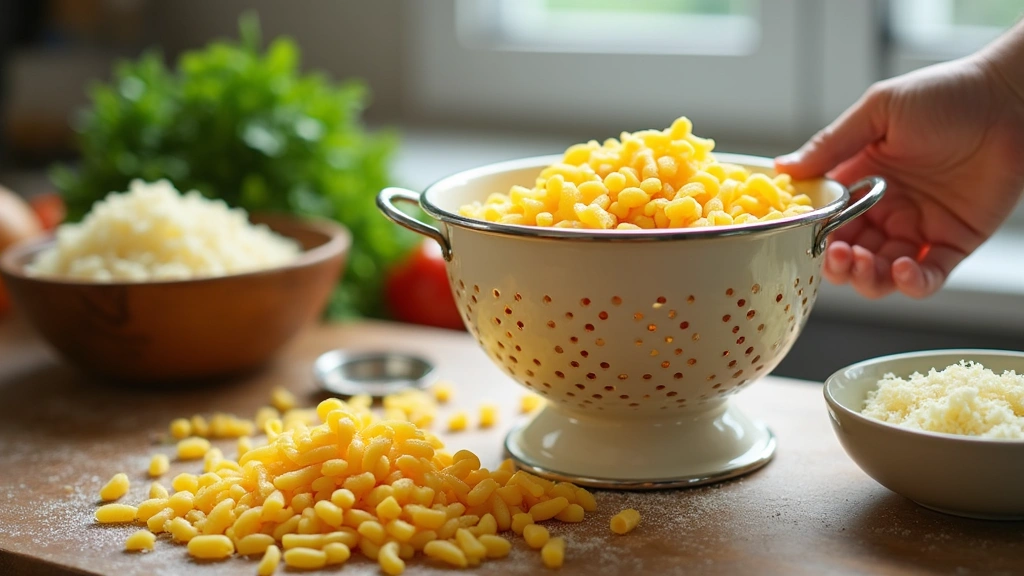
Cook the elbow macaroni according to package instructions.
Drain and set aside.
Grate all cheeses and separate into a bowl.
Ensure all ingredients are at room temperature.
Step 2: Heat the Smoker
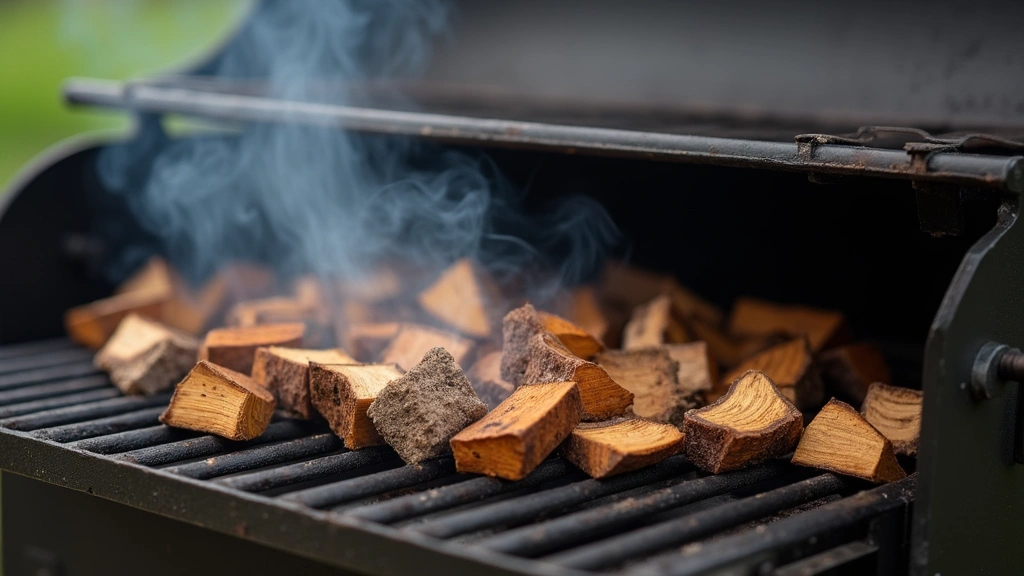
Preheat your smoker to 225°F.
Select wood chips like hickory or apple for a balanced smoky flavor.
Add the wood chips to the smoker to start generating smoke.
Ensure the smoker maintains a consistent temperature.
Step 3: Make the Mornay Sauce
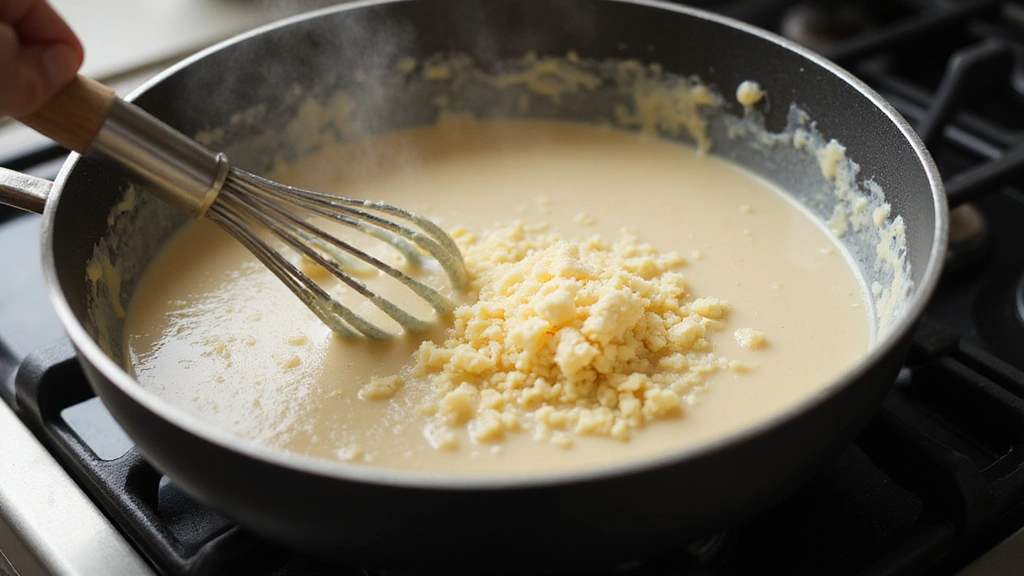
In a saucepan, melt the butter over medium heat.
Whisk in the flour to create a roux and cook for 1-2 minutes.
Gradually add milk, whisking constantly to prevent lumps.
Stir in the grated cheeses until smooth and creamy.
Step 4: Combine Macaroni and Sauce
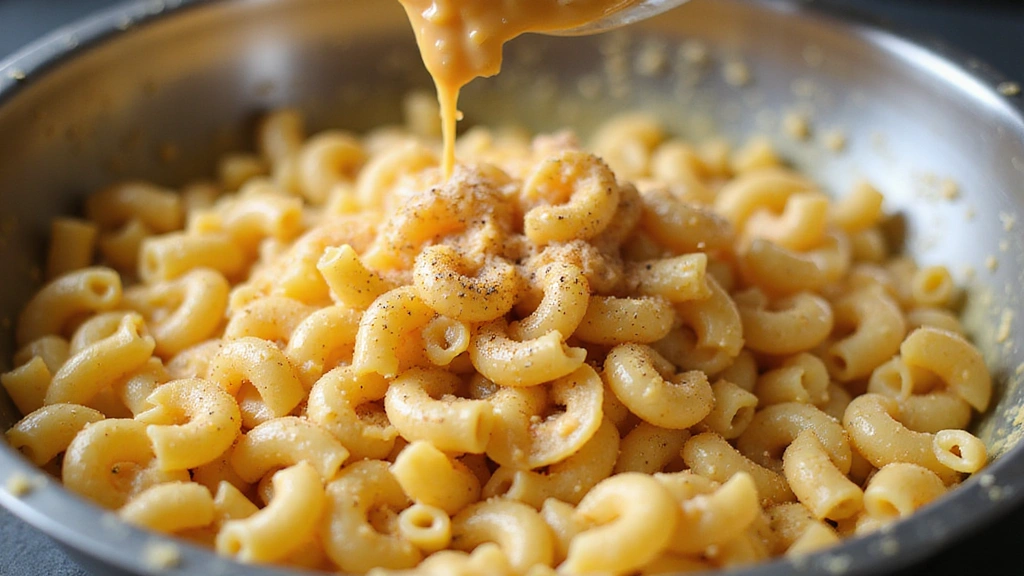
Transfer the cooked macaroni into a large mixing bowl.
Pour the cheese sauce over the macaroni.
Stir well to ensure every piece of pasta is coated.
Season with smoked paprika, salt, and black pepper.
Step 5: Transfer to Cast Iron Skillet
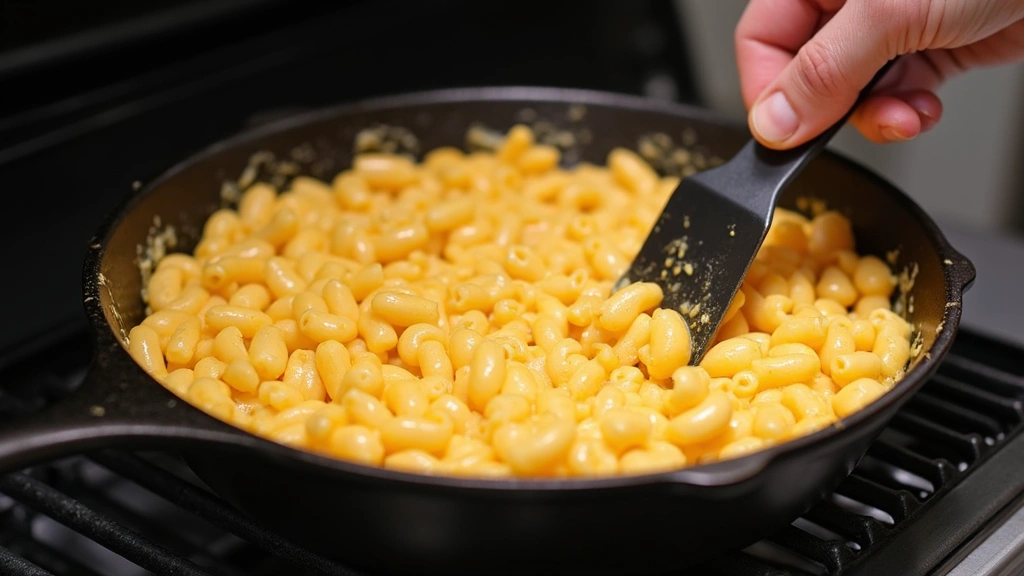
Grease a cast iron skillet with butter.
Pour the mac and cheese mixture into the skillet.
Spread evenly to ensure uniform cooking.
Top with additional grated cheese if desired.
Step 6: Smoke the Mac and Cheese

Place the skillet in the preheated smoker.
Close the lid to trap the smoke inside.
Smoke for 45 minutes to 1 hour until golden brown and bubbly.
Check occasionally to ensure even cooking.
Step 7: Check for Doneness
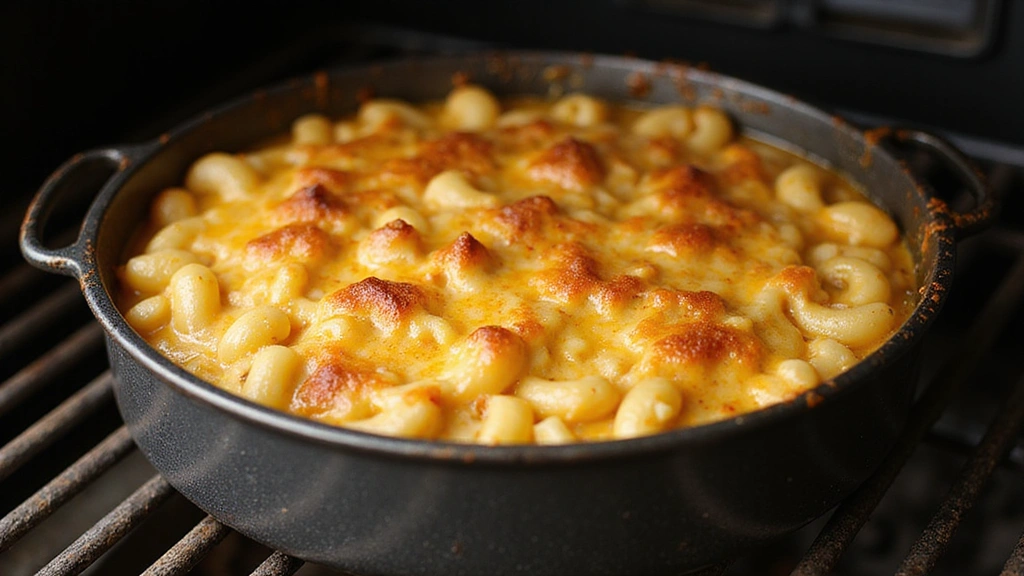
Check the mac and cheese for a golden-brown crust.
The cheese should be bubbly and slightly crispy on top.
Insert a fork to ensure the pasta is tender.
Add more smoking time if necessary.
Step 8: Serve and Enjoy
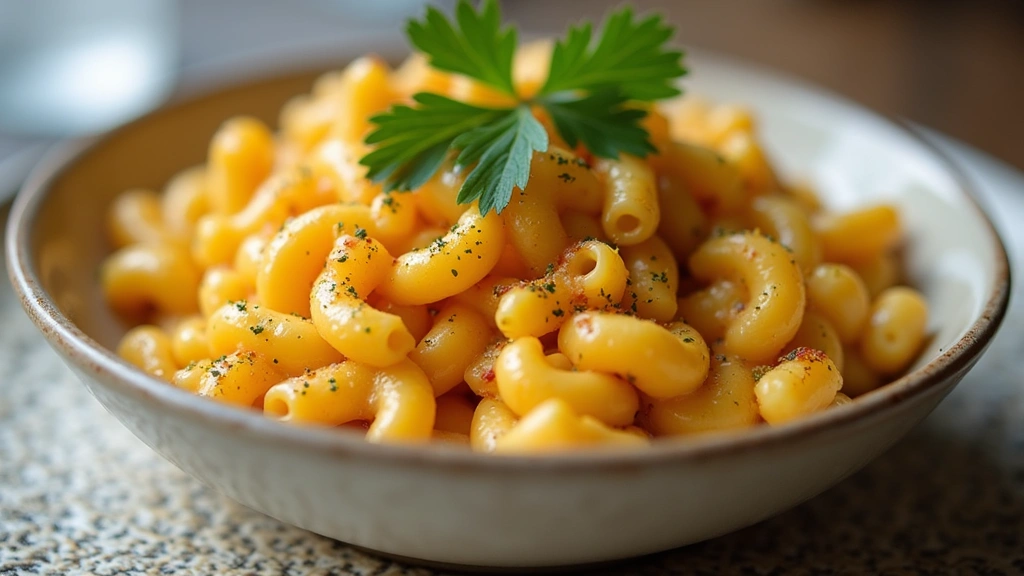
Carefully remove the skillet from the smoker.
Let it cool for a few minutes before serving.
Garnish with chopped parsley for color and freshness.
Serve warm and enjoy the smoky, cheesy goodness.
Critical Timing and Temperature Guide
Smoking: Maintain a steady temperature of 225°F for optimal smoke penetration. The mac and cheese should be smoked for 45 minutes to 1 hour, with a golden-brown crust as an indicator of doneness. Avoid opening the smoker too often, which can lower the temperature.
Mornay Sauce: Cook the sauce over medium heat to prevent burning. The sauce should thicken and become smooth after adding the cheese. Avoid high heat, which can cause the cheese to separate.
Final Baking: Ensure the pasta is cooked al dente before transferring to the smoker, as it will continue to cook. The top should be bubbly and slightly crispy when finished.
Pro Tips for Smoked Mac and Cheese
• Ingredient Selection: Choose high-quality cheese for the most authentic flavor. Opt for aged cheddar and smoked gouda as they add depth and smokiness.
• Preparation Secret: Allow all ingredients to come to room temperature before combining. This ensures the sauce stays smooth and creamy.
• Temperature Management: Preheat the smoker before adding the mac and cheese to maintain an even cooking environment.
• Texture Enhancement: Use a combination of cheeses to achieve a balance of creaminess and sharpness.
• Flavor Layering: Add a sprinkle of smoked paprika to enhance the smoky notes without overpowering the dish.
• Make-Ahead Strategies: Prepare the mac and cheese up to the smoking step, then refrigerate. Bring to room temperature before placing in the smoker.
• Restaurant-Quality Finishing Touches: Garnish with fresh herbs like parsley or chives for a pop of color and flavor.
• Equipment Optimization: If you don’t have a smoker, use a grill with a smoker box or a stovetop smoker to achieve similar results.
Troubleshooting Common Issues
• Texture Too Dense: This can occur if the pasta is overcooked before smoking. Ensure pasta is al dente before mixing with the sauce.
• Flavors Unbalanced: If the dish tastes too smoky, reduce the smoking time or adjust the type of wood chips used.
• Sauce Separation: This happens when the cheese is added to a sauce that's too hot. Gradually add cheese to a warm sauce while whisking.
• Cheese Not Melting: Use freshly grated cheese instead of pre-shredded varieties, which contain anti-caking agents that hinder melting.
• Top Not Browning: Increase the temperature slightly towards the end of smoking if the top isn’t browning.
• Undercooked Interior: Ensure the smoker is consistently at 225°F and avoid opening it too often, which can drop the temperature.
Variations and Regional Differences
• Memphis Style: Adds pulled pork to the mac and cheese for an extra layer of BBQ flavor, using a sweeter BBQ sauce in the mix.
• Tex-Mex Variation: Incorporates jalapeños and pepper jack cheese to infuse a spicy kick and Southwestern flair.
• New England Style: Uses lobster meat and a bit of Old Bay seasoning for a luxurious take on the classic dish.
• Vegetarian Variation: Utilizes smoked vegetables like bell peppers and mushrooms to add depth without meat.
Food Science Behind the Recipe
• Maillard Reaction: The browning of the cheese and pasta during smoking is a result of the Maillard reaction, which adds complex flavors and aromas.
• Emulsification: The combination of fat from the cheese and the liquid in the sauce creates an emulsion, resulting in a smooth and creamy texture.
• Smoke Penetration: The process of smoking allows volatile compounds from the wood to penetrate the food, infusing it with unique flavors.
Frequently Asked Questions
What's the most common mistake people make when preparing Smoked Mac and Cheese? The most common mistake is not maintaining a consistent smoker temperature, which can result in uneven cooking and flavor.
Can I use a different type of pasta? Yes, you can substitute with other shapes like cavatappi or shells, but ensure they are cooked al dente.
How can I make the dish less smoky? Use a milder wood chip like alder or cherry for a less intense smoke flavor.
Is it possible to prepare this dish without a smoker? Yes, you can achieve a similar effect with a stovetop smoker or a grill with a smoker box.
What cheese works best for this recipe? A blend of sharp cheddar, smoked gouda, and parmesan provides the best balance of flavor and texture.
Can I make this dish ahead of time? Yes, prepare it up to the smoking step, refrigerate, and smoke when ready to serve.
How do I store leftovers? Store leftovers in an airtight container in the refrigerator for up to 3 days. Reheat gently to avoid drying out.
Serving and Presentation Guide
• Traditional Presentation: Serve directly from the cast iron skillet for a rustic and authentic look.
• Family Style: Present in a large serving dish with a garnish of fresh herbs like parsley or chives.
• Individual Portions: Serve in small ramekins or mini skillets for an elegant, personal touch.
• Buffet Style: Place on a buffet table with a selection of toppings like crumbled bacon or crispy onions for customization.
Conclusion
Smoked Mac and Cheese is a delightful twist on a classic comfort dish, bringing together rich flavors and smoky aromas.
With its straightforward preparation and impressive results, it's perfect for any occasion.
Give this recipe a try and watch as it becomes a favorite at your next BBQ or family gathering.