

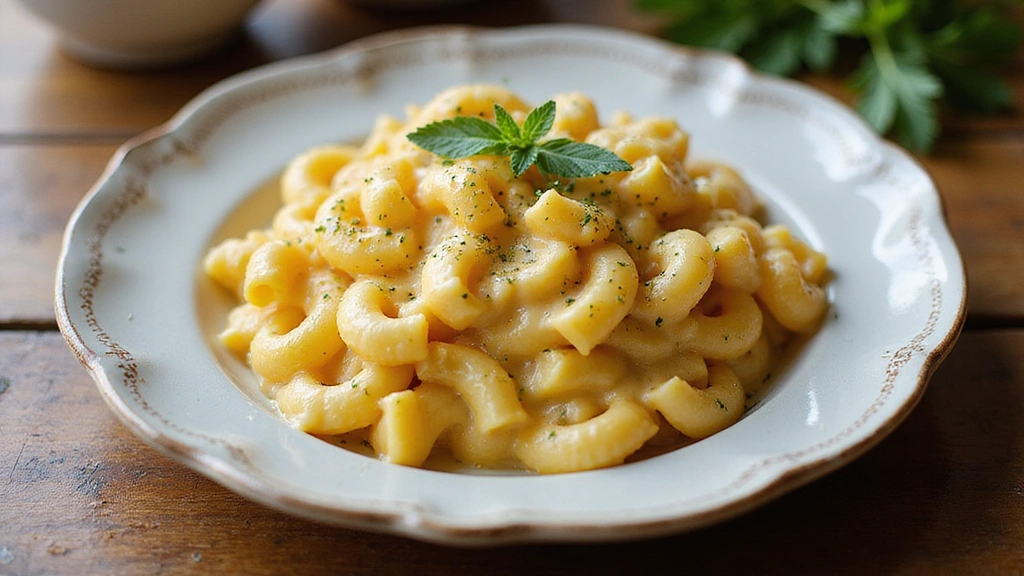
There’s nothing quite like a bowl of homemade mac and cheese to evoke a sense of comfort and nostalgia.
This version, infused with cream cheese, elevates the classic dish to new levels of creaminess and flavor.
I first discovered the magic of adding cream cheese during a family gathering, where it quickly became a staple request.
The balance of rich, gooey cheese and perfectly cooked pasta creates a dish that’s hard to resist.
Whether you’re preparing it for a chilly evening or a celebratory feast, this mac and cheese promises to satisfy every craving.
Get ready for a recipe that’s both delightful in taste and simple to prepare.
The History and Cultural Significance
• Mac and Cheese traces its origins to Italy in the 13th century, where it was originally created by combining pasta with cheese.
• The dish evolved over decades as it traveled through Europe and America, eventually becoming the beloved version we know today with the introduction of cheddar cheese and béchamel sauce.
• In American culture, this dish traditionally appears at holiday gatherings and celebrations, symbolizing comfort and family togetherness.
• While many variations exist across different regions, the authentic version maintains a simple yet rich combination of cheese and pasta that sets it apart from imitations.
Recipe Overview
Nutritional Information (per serving)
Essential Equipment Guide
Large Pot: Essential for boiling the pasta to the perfect al dente texture. A wide pot ensures even cooking and prevents sticking. Alternatives include any pot that holds at least 4 quarts of water.
Whisk: Important for creating a smooth cheese sauce without lumps. Look for a sturdy whisk with a comfortable handle. A fork can be used in a pinch, but may not yield as smooth a sauce.
Baking Dish: Crucial for achieving a golden, bubbly top layer. Choose a dish that holds at least 2 quarts to avoid spillage. A glass or ceramic dish helps distribute heat evenly.
Ingredients
For the Base
|
|
| Amount | Ingredient | Notes |
|---|---|---|
| 12 ounces | elbow macaroni | cooked al dente |
For the Sauce
| Amount | Ingredient | Notes |
|---|---|---|
| 4 tablespoons | unsalted butter | adds richness |
| 1/4 cup | all-purpose flour | thickens the sauce |
| 2 cups | milk | whole milk preferred for creaminess |
| 8 ounces | cream cheese | softened, adds extra creaminess |
| 2 cups | cheddar cheese | shredded, sharp for flavor |
| 1 teaspoon | mustard powder | adds depth |
Seasonings
| Amount | Ingredient | Notes |
|---|---|---|
| 1 teaspoon | salt | enhances flavor |
| 1/2 teaspoon | black pepper | freshly ground for spice |
Preparation Methods
Creating a Roux: A roux is a mixture of fat and flour cooked together and used to thicken sauces. It's crucial for achieving a smooth, creamy cheese sauce. Cook the butter and flour for about 1-2 minutes, stirring constantly to prevent burning.
Tempering Milk: This technique involves gradually adding milk to the roux to avoid lumps. Warm the milk slightly before adding it to help it incorporate smoothly.
Melting Cheese: Add cheese gradually to the sauce and stir continuously. Avoid high heat to prevent the cheese from becoming stringy or gritty.
Step 1: Prepare Ingredients
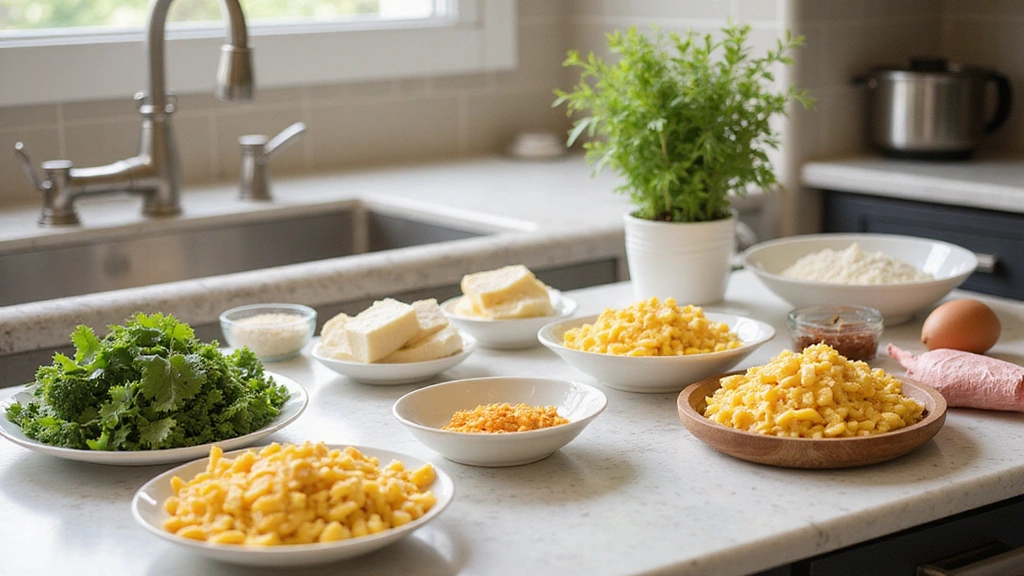
Gather all ingredients and equipment before starting.
Ensure cheese is shredded and cream cheese is softened.
Set aside pre-measured ingredients for efficiency.
Organize your workspace for a smooth cooking process.
Step 2: Cook the Pasta
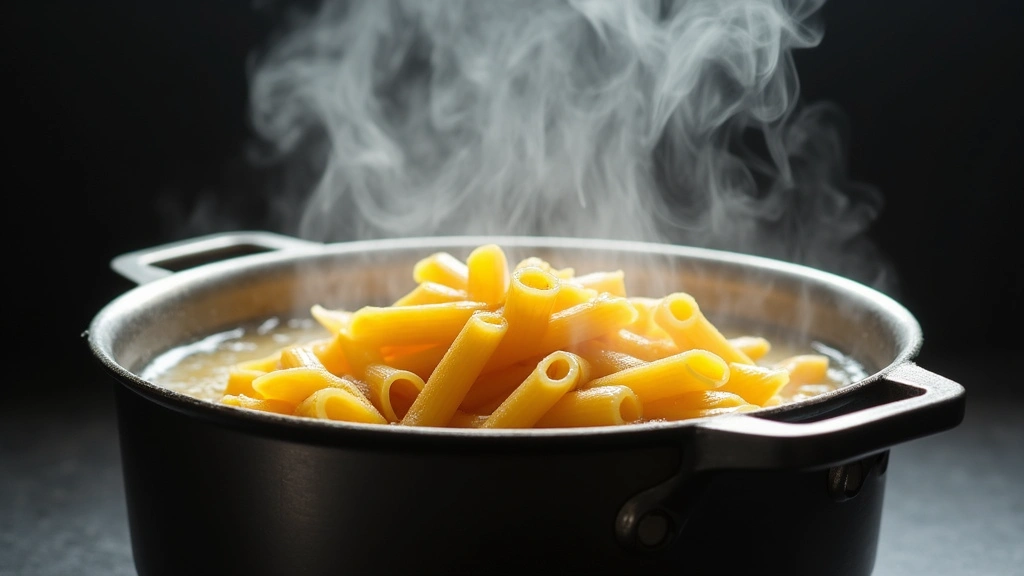
Fill a large pot with water and bring it to a boil.
Add a generous pinch of salt, then the elbow macaroni.
Cook until al dente, about 7-8 minutes, stirring occasionally.
Drain and set aside, reserving some pasta water.
Step 3: Make the Roux
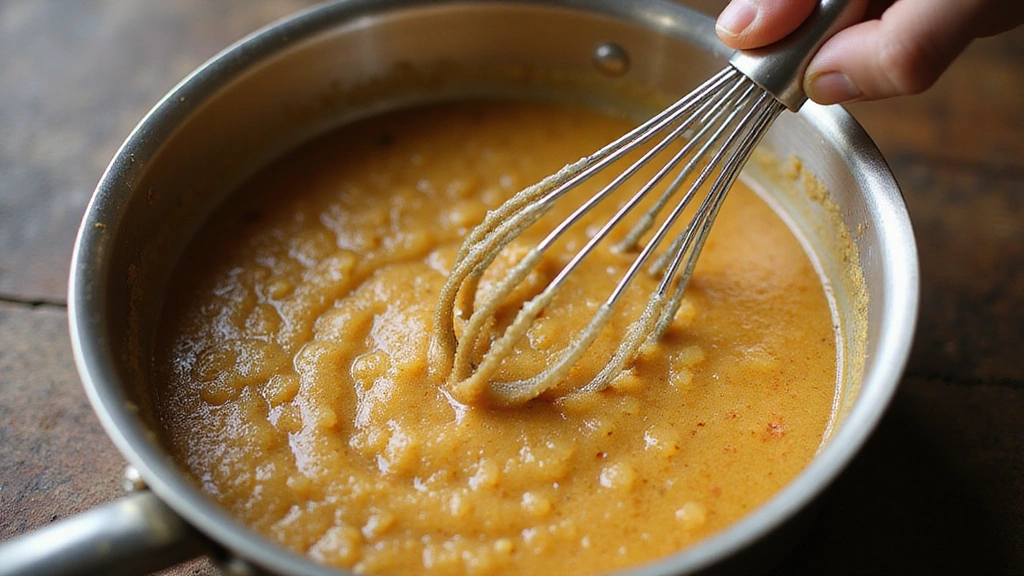
In a medium saucepan, melt butter over medium heat.
Add flour, whisking continuously to avoid lumps.
Cook for 1-2 minutes until the mixture is golden and bubbly.
The roux should have a nutty aroma.
Step 4: Add Milk to Roux
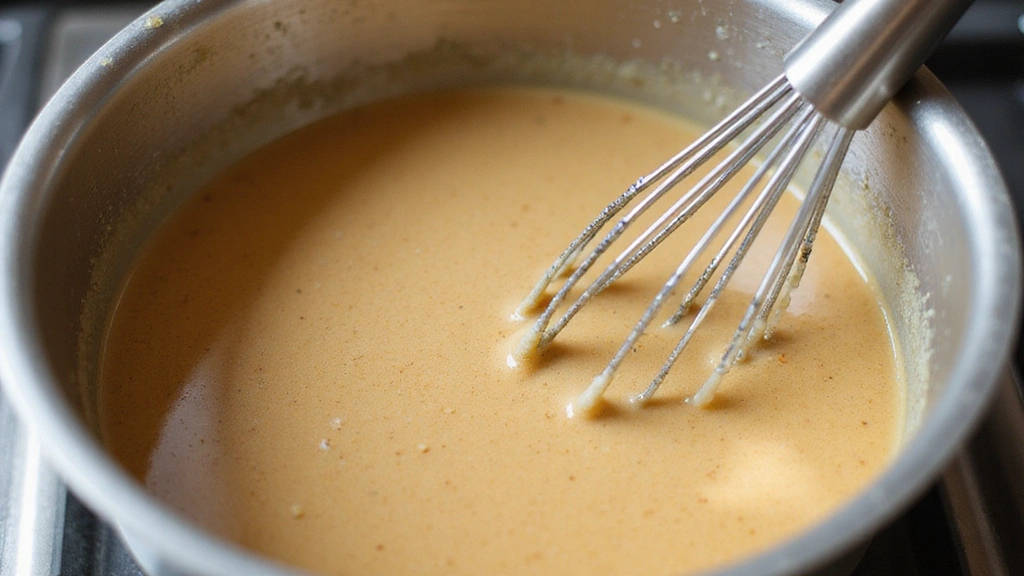
Slowly add warm milk to the roux, whisking vigorously.
Continue to whisk until the mixture is smooth and starts to thicken.
Simmer gently to avoid burning, stirring often.
Look for a creamy, thickened sauce consistency.
Step 5: Incorporate Cheeses

Reduce heat to low and add cream cheese to the sauce.
Stir until cream cheese is fully melted and incorporated.
Gradually add cheddar cheese, stirring constantly.
Ensure a smooth, velvety sauce without lumps.
Step 6: Season the Sauce
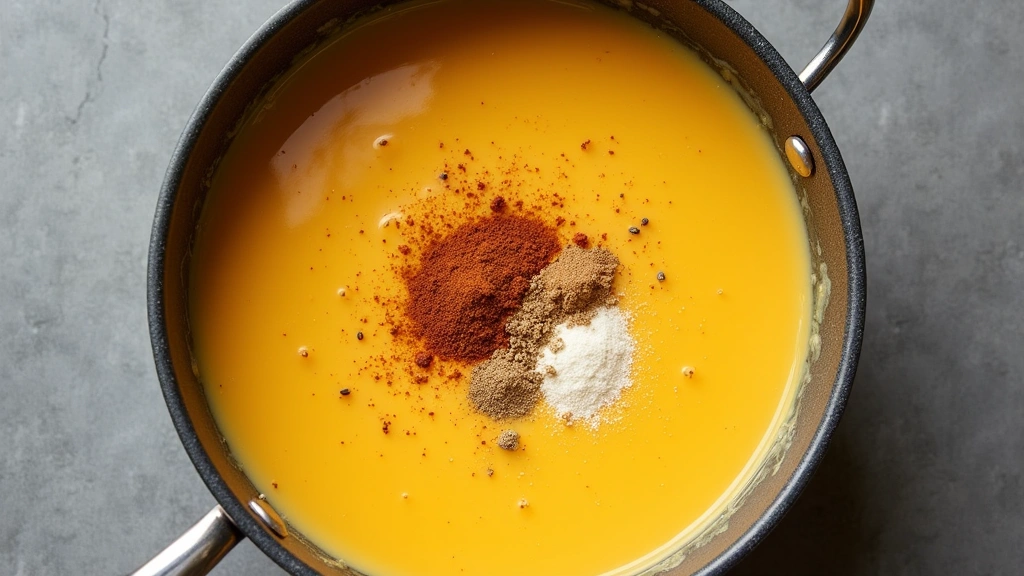
Add mustard powder, salt, and pepper to the cheese sauce.
Stir well to combine and adjust seasoning to taste.
The sauce should have a balanced, savory flavor profile.
Taste the sauce for seasoning before combining with pasta.
Step 7: Combine Pasta and Sauce
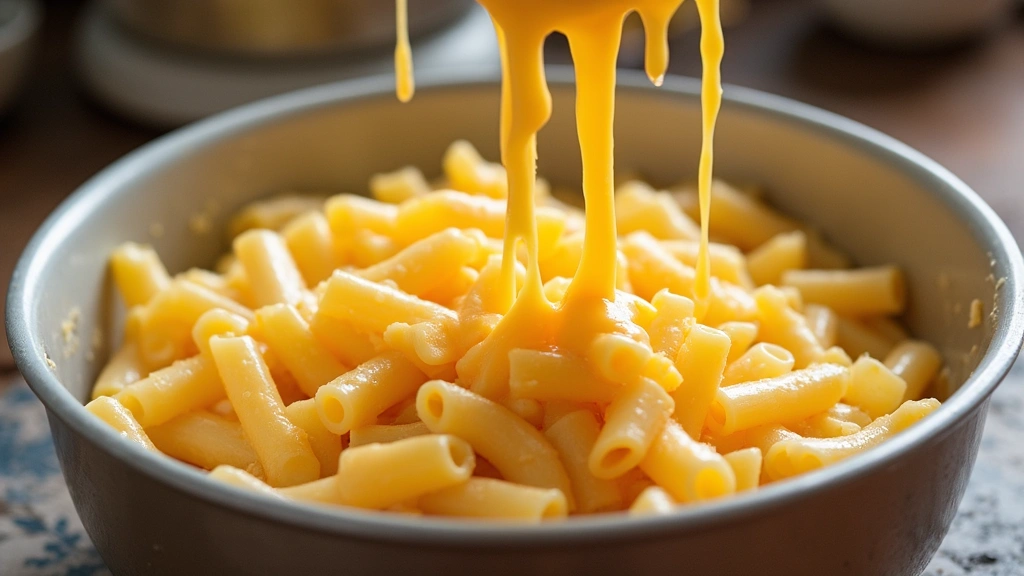
In a large bowl, combine cooked pasta and cheese sauce.
Fold gently to ensure pasta is evenly coated.
If the sauce is too thick, add reserved pasta water gradually.
The mixture should be creamy and well-combined.
Step 8: Bake the Mac and Cheese
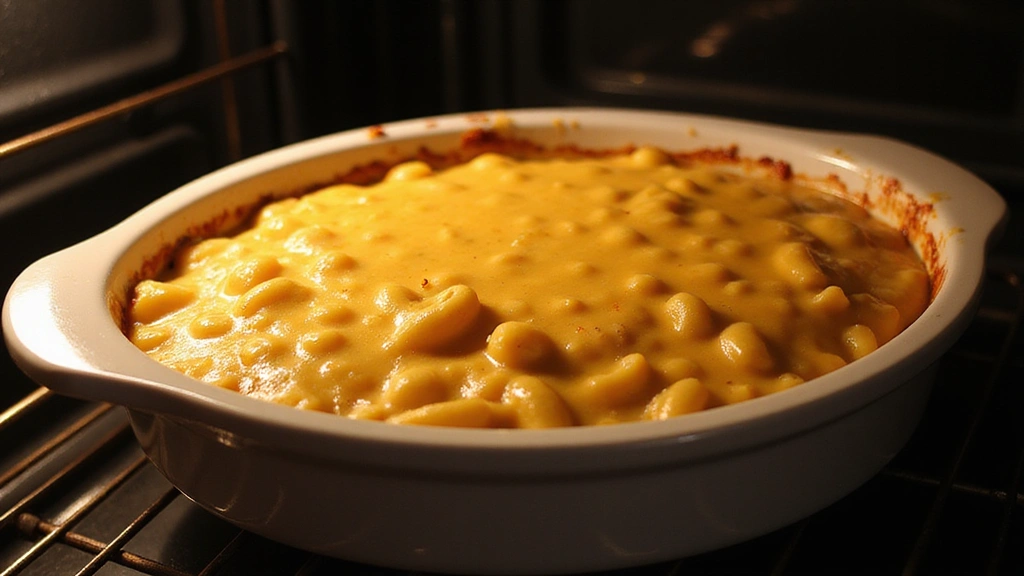
Preheat oven to 350°F (175°C).
Transfer mac and cheese to a greased baking dish.
Bake for 20 minutes until golden and bubbling.
The top should be lightly browned and crispy.
Step 9: Serve and Enjoy
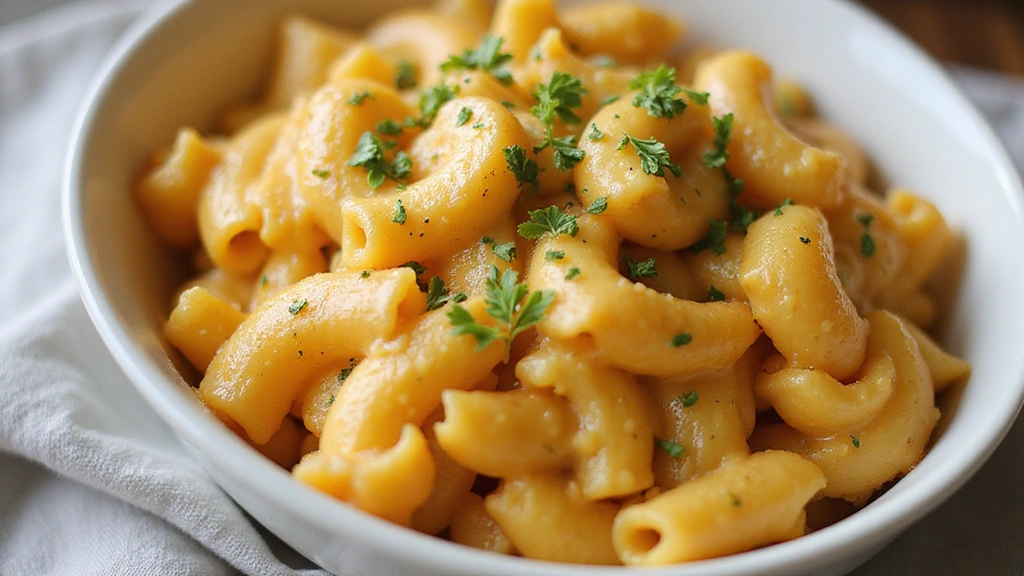
Remove mac and cheese from the oven and let it cool slightly.
Garnish with fresh herbs if desired for a pop of color.
Serve hot and enjoy the creamy, cheesy goodness.
Perfect for sharing with family and friends.
Critical Timing and Temperature Guide
Cooking Pasta: Boil for 7-8 minutes until al dente. Check for a slight bite to the pasta. Avoid overcooking as it will continue to cook in the oven.
Baking: Bake at 350°F (175°C) for 20 minutes. Look for a golden, bubbling top. Avoid underbaking to ensure a well-set dish.
Cheese Sauce: Melt cheese over low heat. Sauce should be smooth and velvety. Avoid high heat to prevent curdling.
Pro Tips for Mac and Cheese
• Ingredient Selection: Use high-quality cheddar for the best flavor. Cream cheese should be full-fat for maximum creaminess.
• Preparation Secret: Reserve pasta water to adjust sauce consistency. A little water can transform a too-thick sauce into perfection.
• Temperature Management: Allow ingredients to reach room temperature for smoother incorporation.
• Texture Enhancement: Bake just until the top is golden to maintain a creamy interior.
• Flavor Layering: Add a pinch of nutmeg to the sauce for depth and warmth.
• Make-Ahead Strategies: Prepare the cheese sauce in advance and store in the fridge. Reheat gently before combining with pasta.
• Restaurant-Quality Finishing Touches: Top with breadcrumbs mixed with Parmesan for a crunchy crust.
• Equipment Optimization: Use a heavy-bottomed saucepan to prevent hot spots and burning.
Troubleshooting Common Issues
• Sauce Too Thick: Caused by too much flour or insufficient milk. Gradually add more milk or pasta water to reach desired consistency.
• Sauce Curdled: Result of high heat. Always melt cheese over low heat and whisk continuously.
• Pasta Overcooked: Recognized by mushy texture. Cook pasta to al dente and rinse with cold water to stop cooking.
• Flavors Unbalanced: Insufficient seasoning. Taste and adjust salt and pepper before baking.
• Top Not Crisp: Underbaked or insufficient heat. Broil for a few minutes if necessary for a crispy finish.
Variations and Regional Differences
• Southern Style: Includes a breadcrumb topping and sometimes bacon for added texture and flavor.
• Italian Twist: Incorporates mozzarella and Parmesan with a dash of Italian herbs for a Mediterranean flair.
• Spicy Cajun: Adds Cajun spices and hot sauce for a kick of heat.
• Truffle Mac and Cheese: Drizzle with truffle oil and use a mix of gourmet cheeses for a luxurious take.
Food Science Behind the Recipe
• Emulsification: The combination of fat and starch in the roux creates a stable emulsion, giving the sauce its creamy texture.
• Protein Coagulation: Cheese proteins coagulate and form a network, which thickens the sauce as it heats.
• Maillard Reaction: Baking creates a golden crust through the Maillard reaction, enhancing flavor and color.
Frequently Asked Questions
What's the most common mistake people make when preparing mac and cheese? Overcooking the pasta, which leads to a mushy texture.
Can I use a different type of cheese? Yes, but choose cheeses that melt well, like Gruyère or Monterey Jack.
How can I make it gluten-free? Substitute flour with cornstarch and use gluten-free pasta.
What if I don't have cream cheese? You can use mascarpone or additional cheddar, but the texture will differ.
Is it okay to make this ahead of time? Yes, prepare up to the baking step and refrigerate. Bake just before serving.
Can I freeze leftovers? Yes, freeze in an airtight container for up to one month. Reheat in the oven for best results.
Why is my cheese sauce gritty? This can happen if the cheese is added too quickly or at too high a temperature.
Serving and Presentation Guide
• Traditional Presentation: Serve in individual bowls or ramekins for a classic look.
• Family Style: Present directly from the baking dish, allowing guests to help themselves.
• Garnished Elegance: Top with fresh herbs or edible flowers for a sophisticated touch.
• Casual Gathering: Pair with a simple green salad and crusty bread for a complete meal.
Conclusion
This extra creamy mac and cheese with cream cheese is sure to become a favorite in your household.
With its rich texture and comforting flavors, it’s a dish that satisfies every time.
Whether you’re hosting a dinner party or enjoying a quiet night in, this recipe is a perfect choice.
Try it out and experience the joy of homemade comfort food at its finest.