

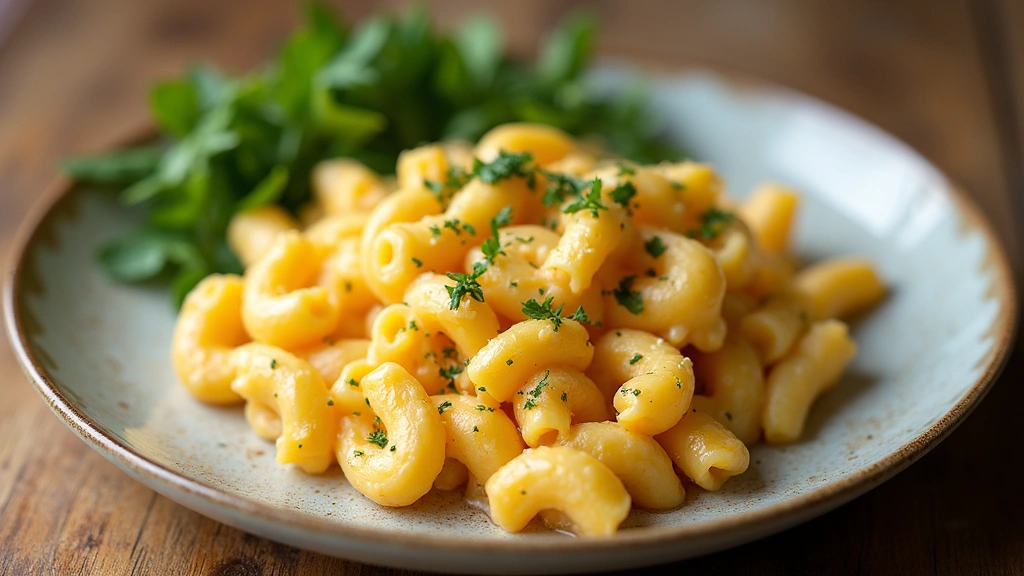
Cottage Cheese Mac and Cheese is a delightful twist on a beloved classic, combining the creamy comfort of traditional mac and cheese with a high-protein punch.
This dish is perfect for those who crave both flavor and nutrition, offering a satisfyingly rich texture without the guilt.
I first discovered this recipe during a chilly autumn evening when I longed for something warm yet healthy, and it has since become a staple in my kitchen.
The unique blend of cottage cheese and cheddar creates a smooth, velvety sauce that clings to every piece of pasta, making each bite irresistible.
Whether you’re looking to boost your protein intake or simply enjoy a new take on an old favorite, this Cottage Cheese Mac and Cheese will not disappoint.
It’s ideal for family dinners or meal preps, ensuring that everyone leaves the table happy and full.
The History and Cultural Significance
• Cottage Cheese Mac traces its origins to the mid-20th century in America, where it was originally created by home cooks looking for a nutritious alternative to traditional mac and cheese.
• The dish evolved over decades as health-conscious individuals incorporated cottage cheese for its high-protein content, eventually becoming the beloved version we know today.
• In American households, this dish traditionally appears at family gatherings, symbolizing health and comfort combined.
• While many variations exist across different regions, the authentic version maintains a rich, creamy texture that sets it apart from imitations.
Recipe Overview
Nutritional Information (per serving)
Essential Equipment Guide
Large Saucepan: A large saucepan is crucial for cooking the pasta evenly and efficiently. If you don’t have a large saucepan, a stockpot can work as an alternative. Look for one with a heavy bottom to prevent sticking and ensure even heat distribution.
Blender: A blender is essential for achieving a smooth cottage cheese sauce. If unavailable, a food processor can substitute, but ensure it can handle liquids without leaking. Look for blenders with multiple speed settings for better control.
Oven-Safe Baking Dish: An oven-safe baking dish is necessary for baking the mac and cheese to perfection. Alternatives include cast-iron skillets or casserole dishes. Opt for a dish with a lid or a depth of at least 2 inches to prevent overflow.
Ingredients
For the Base
|
|
| Amount | Ingredient | Notes |
|---|---|---|
| 2 cups | elbow macaroni | classic choice for mac and cheese |
| 1 teaspoon | salt | for boiling water |
For the Sauce
| Amount | Ingredient | Notes |
|---|---|---|
| 1 cup | cottage cheese | adds creaminess and protein |
| 1 cup | cheddar cheese | shredded, for a classic flavor |
| 1 cup | milk | helps blend the sauce |
| 1 tablespoon | butter | for richness |
Seasonings
| Amount | Ingredient | Notes |
|---|---|---|
| 1 teaspoon | garlic powder | for depth of flavor |
| 1 teaspoon | paprika | adds a hint of smokiness |
| 1 pinch | black pepper | to taste |
Preparation Methods
Sauce Blending: This technique involves blending cottage cheese with milk and seasonings to create a smooth, creamy base. It's crucial for ensuring the sauce clings to the pasta evenly. Use a blender for the best results and blend until completely smooth.
Pasta Cooking: Cooking the pasta al dente is important to prevent it from becoming mushy once baked. Ensure the water is at a rolling boil and salted generously. Taste test as you approach the end of the suggested cooking time.
Baking: Baking the mac and cheese allows the flavors to meld and the top to form a golden crust. Preheat the oven to ensure even cooking and avoid opening the door too frequently to maintain a consistent temperature.
Step 1: Prepare Ingredients
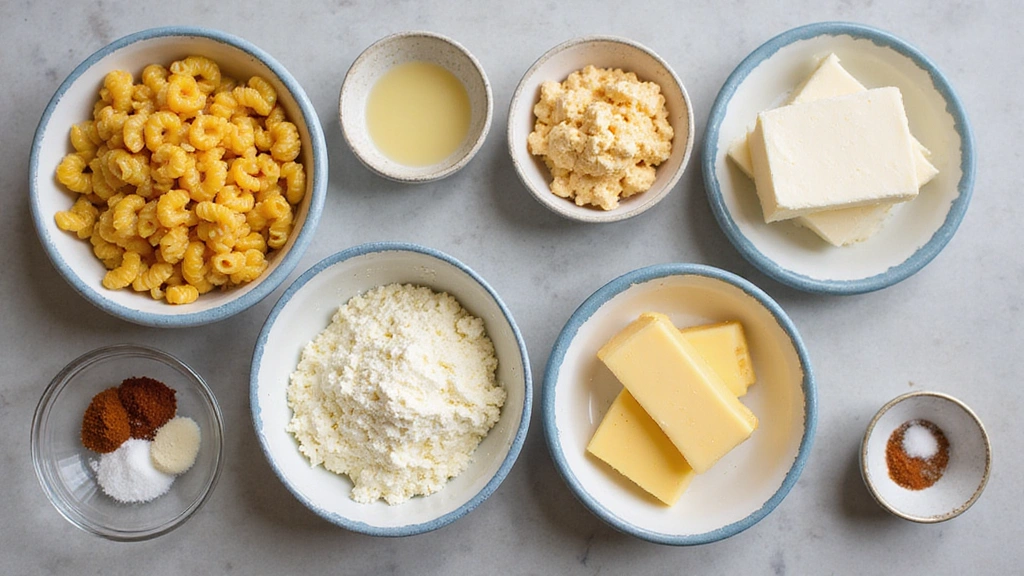
Gather all the ingredients listed in the recipe.
Ensure all the dairy products are at room temperature for better blending.
Measure out the spices and set them aside.
Preheat the oven to 350°F (175°C) to prepare for baking.
Step 2: Cook the Pasta
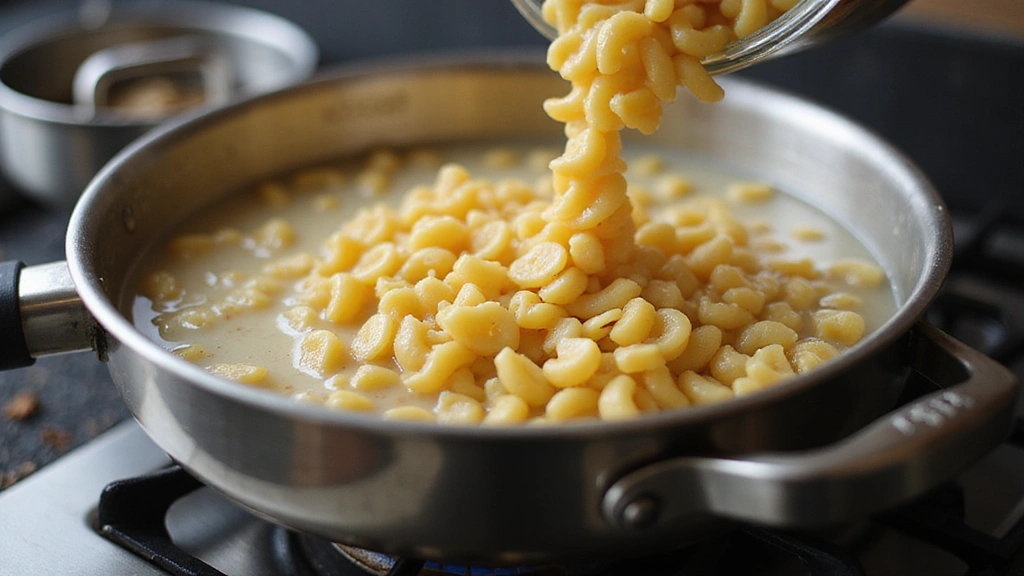
Fill a large saucepan with water and add salt.
Bring to a rolling boil before adding the elbow macaroni.
Cook the pasta for 8-10 minutes until al dente.
Drain and set aside, reserving a bit of pasta water.
Step 3: Blend the Sauce
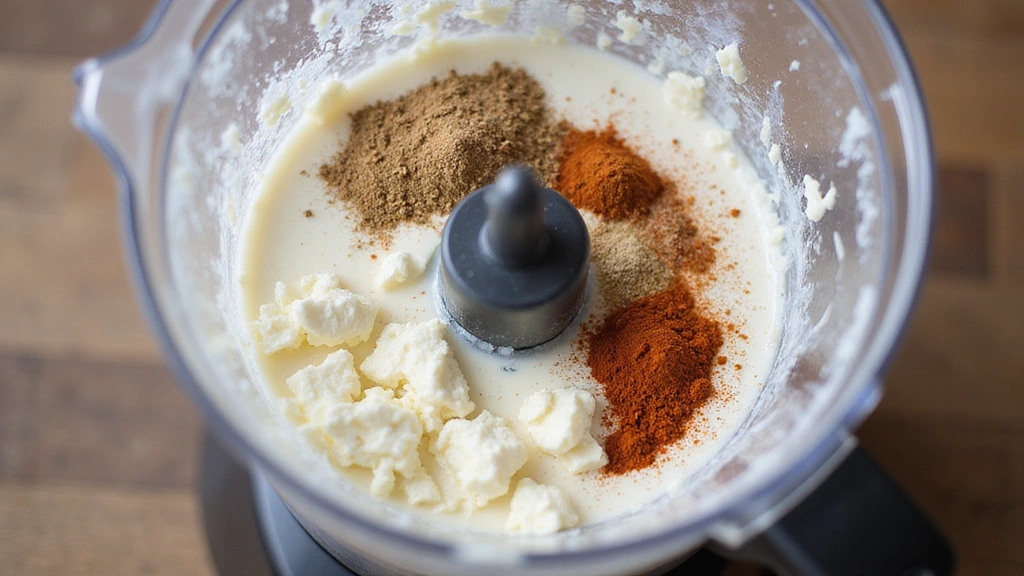
Add cottage cheese, milk, and seasonings to a blender.
Blend on medium speed until completely smooth.
Check the consistency, ensuring no lumps remain.
Adjust seasonings to taste if necessary.
Step 4: Combine Pasta and Sauce
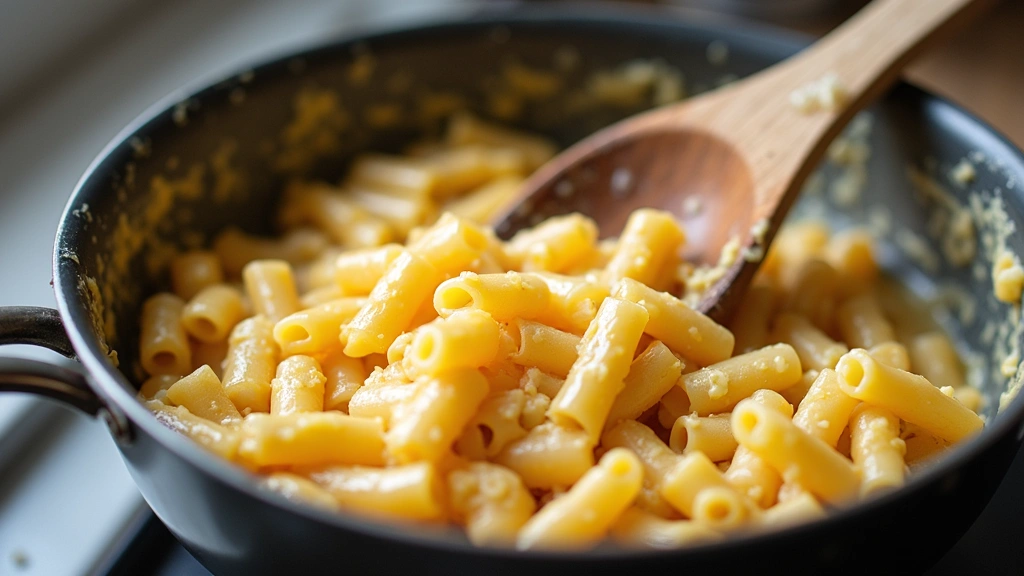
Return the cooked pasta to the saucepan.
Pour the blended sauce over the pasta.
Mix thoroughly to coat each piece of pasta with sauce.
Add reserved pasta water if needed to adjust consistency.
Step 5: Add Cheddar Cheese
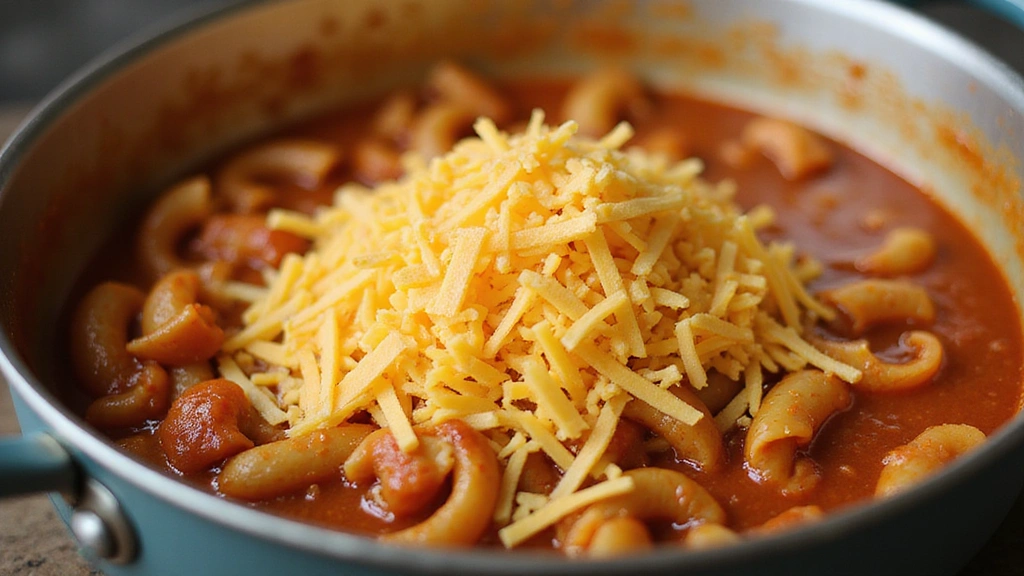
Sprinkle shredded cheddar cheese over the pasta mixture.
Stir gently to incorporate the cheese into the sauce.
Ensure the cheese melts evenly into the mixture.
Taste and adjust salt and pepper if needed.
Step 6: Transfer to Baking Dish
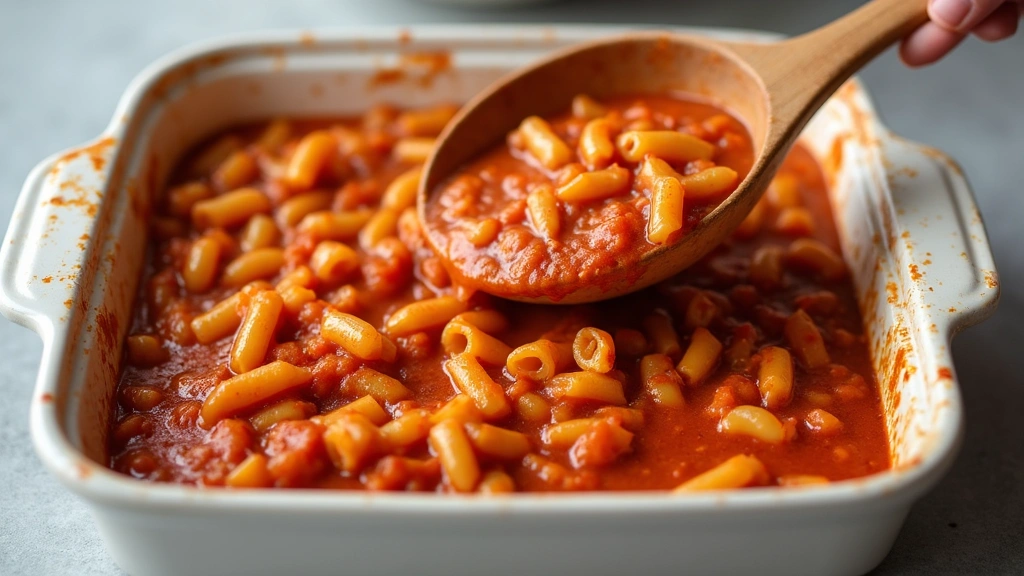
Grease an oven-safe baking dish with butter.
Pour the pasta mixture into the prepared dish.
Spread evenly with a spatula for uniform baking.
Tap the dish gently to remove air pockets.
Step 7: Bake the Mac and Cheese
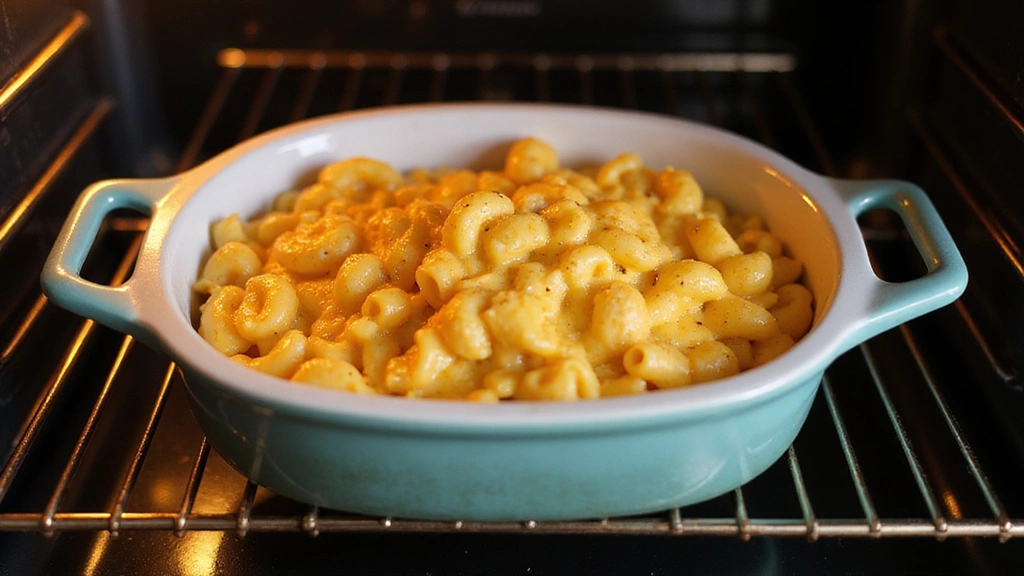
Place the baking dish in the preheated oven.
Bake at 350°F (175°C) for 20 minutes.
Look for a golden-brown crust on top.
Avoid opening the oven too frequently to maintain temperature.
Step 8: Serve and Enjoy
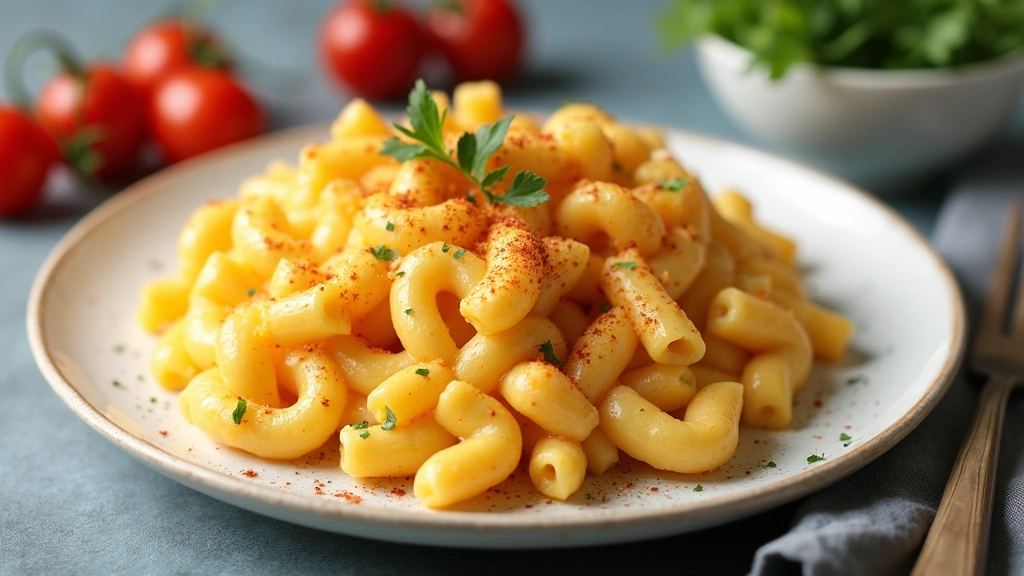
Remove the baking dish from the oven carefully.
Let it cool for a few minutes before serving.
Scoop generous portions onto plates.
Garnish with a sprinkle of paprika or fresh herbs if desired.
Critical Timing and Temperature Guide
Pasta Cooking: Cook for 8-10 minutes until al dente, looking for a slight bite in the pasta to avoid mushiness.
Sauce Blending: Blend until completely smooth to ensure no lumps; over-blending can overheat the mix, altering flavors.
Baking: Bake at 350°F (175°C) for 20 minutes, ensuring a golden-brown top; avoid opening the oven to maintain even temperature.
Pro Tips for Cottage Cheese Mac
• Ingredient Selection: Opt for full-fat cottage cheese for the creamiest texture and flavor.
• Preparation Secret: Reserve pasta water to adjust the sauce consistency for a silkier finish.
• Temperature Management: Ensure all dairy ingredients are at room temperature before blending for a smoother sauce.
• Texture Enhancement: Blend the sauce thoroughly to avoid any graininess that can occur from unblended cottage cheese.
• Flavor Layering: Use freshly grated cheddar for a more pronounced, sharp flavor compared to pre-shredded cheese.
• Make-Ahead Strategies: Prepare the sauce a day in advance and store it in an airtight container in the fridge.
• Restaurant-Quality Finishing Touches: Top with a sprinkle of breadcrumbs before baking for added texture.
• Equipment Optimization: Use a high-speed blender to achieve the smoothest sauce possible.
Troubleshooting Common Issues
• Grainy Sauce: Caused by insufficient blending or cold ingredients; ensure all ingredients are at room temperature and blend thoroughly.
• Dry Mac and Cheese: Occurs when overbaked or insufficient sauce; add a bit of reserved pasta water before baking to moisten.
• Lacking Flavor: May result from under-seasoning; adjust salt and spices to taste before baking.
• Cheese Not Melting: Ensure cheese is freshly grated and at room temperature to facilitate melting.
• Pasta Overcooked: Check pasta early to prevent it from becoming too soft; cook to just al dente.
Variations and Regional Differences
• Southern Style: Incorporates a mix of cheddar and Monterey Jack, with a topping of crushed crackers for added crunch.
• Italian Twist: Includes ricotta and mozzarella instead of cheddar, with a sprinkle of Parmesan for a richer flavor.
• Spicy Version: Adds diced jalapeños and pepper jack cheese for a kick of heat.
• Vegetarian Delight: Incorporates roasted vegetables like bell peppers and broccoli for added nutrition and color.
Food Science Behind the Recipe
• Protein Coagulation: Cottage cheese provides proteins that coagulate upon heating, thickening the sauce and providing a creamy texture.
• Emulsification: Blending the sauce creates an emulsion, ensuring the fats and water-based ingredients combine smoothly for a luscious finish.
• Starch Gelatinization: Pasta releases starches during cooking, which helps thicken the sauce and improve its adherence to the pasta.
Frequently Asked Questions
What's the most common mistake people make when preparing Cottage Cheese Mac and Cheese? Overcooking the pasta is a frequent issue; always cook it to al dente to prevent it from becoming too soft during baking.
Can I use low-fat cottage cheese? Yes, but it may result in a less creamy sauce; full-fat is recommended for the best texture.
How can I make this dish gluten-free? Substitute the elbow macaroni with a gluten-free pasta variety to accommodate dietary needs.
Is it possible to freeze this dish? Yes, prepare and bake, then let it cool before freezing; reheat in the oven until warmed through.
What if I don't have a blender? A food processor can be used, though a blender is preferred for a smoother sauce.
How do I store leftovers? Store in an airtight container in the refrigerator for up to 3 days; reheat in the oven or microwave until hot.
Can I add meat to this recipe? Absolutely, cooked bacon or shredded chicken can be mixed in for added protein and flavor.
Serving and Presentation Guide
• Traditional Presentation: Serve in individual bowls with a sprinkle of paprika and freshly chopped parsley for color.
• Family Style: Present in the baking dish, allowing guests to serve themselves at the table.
• Elegant Plating: Mold servings using a ring mold for a clean, sophisticated look on the plate.
• Casual Buffet: Keep warm in a chafing dish for easy serving during gatherings or parties.
Conclusion
Cottage Cheese Mac and Cheese is a deliciously creamy, high-protein twist on a classic comfort dish.
It's perfect for family dinners, meal preps, or any occasion where you want both flavor and nutrition.
With its rich texture and satisfying taste, this recipe is sure to become a favorite in your home.
Give it a try and enjoy the delightful fusion of cottage cheese and cheddar in every bite.