

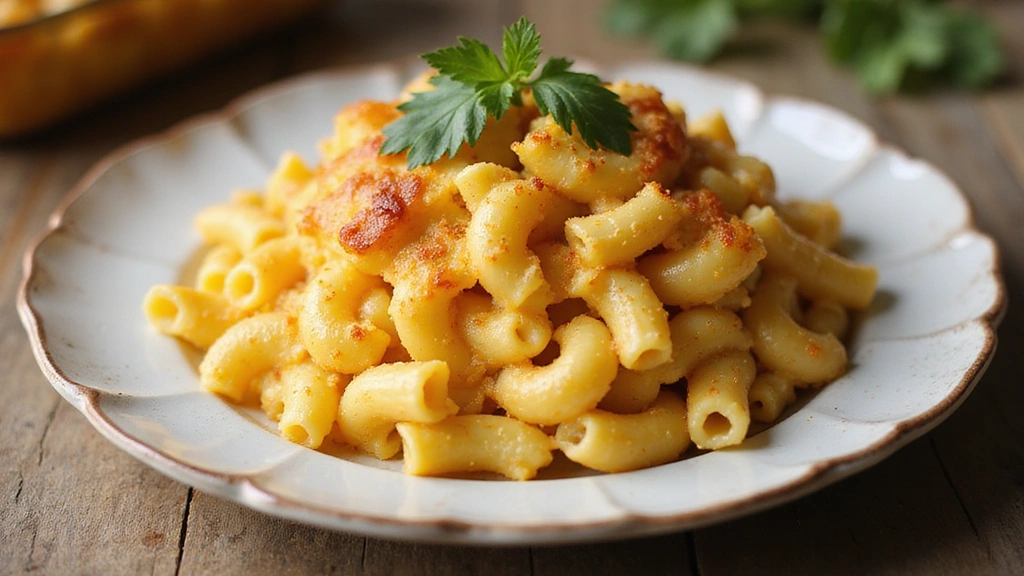
Baked Mac and Cheese is a timeless comfort food that never fails to delight.
Its golden crust and creamy interior create a harmonious blend of textures and flavors.
Whether you’re cooking for a family dinner or a festive gathering, this dish adds a touch of warmth to any occasion.
The rich, cheesy sauce envelops each piece of pasta, making every bite a delight.
Prepare to savor the perfect balance of creaminess and crispiness.
This recipe is simple yet delivers an impressive result that will have everyone asking for more.
The History and Cultural Significance
• Baked Mac and Cheese traces its origins to Italy during the 13th century, where it was originally created by Italian chefs.
• The dish evolved over decades as pasta became more accessible and cheese production techniques improved, eventually becoming the beloved version we know today.
• In American culture, this dish traditionally appears at Thanksgiving and family gatherings, symbolizing comfort and togetherness.
• While many variations exist across different regions, the authentic version maintains a creamy sauce and a baked golden crust that sets it apart from imitations.
Recipe Overview
Nutritional Information (per serving)
Essential Equipment Guide
Large Pot: A large pot is essential for cooking the pasta evenly and preventing it from sticking. Alternative options include a deep saucepan, and look for a pot with a thick base for even heat distribution.
Oven-Safe Baking Dish: This dish allows for even baking and achieving a golden crust. Alternatives include a cast-iron skillet. Choose a dish with a non-stick surface for easy serving.
Whisk: A whisk is necessary for making a smooth cheese sauce without lumps. A fork can be used in a pinch, but a whisk with a comfortable handle is ideal.
Ingredients
For the Base
|
|
| Amount | Ingredient | Notes |
|---|---|---|
| 12 ounces | elbow macaroni | cooked al dente |
For the Sauce
| Amount | Ingredient | Notes |
|---|---|---|
| 2 cups | milk | whole milk for richness |
| 2 tablespoons | butter | unsalted |
| 2 tablespoons | all-purpose flour | for thickening |
| 2 cups | cheddar cheese | shredded |
| 1 cup | gruyere cheese | shredded |
Seasonings
| Amount | Ingredient | Notes |
|---|---|---|
| 1 teaspoon | salt | to taste |
| 1/2 teaspoon | black pepper | freshly ground |
| 1/4 teaspoon | nutmeg | freshly grated |
Preparation Methods
Roux Making: Start by melting butter in a saucepan over medium heat. Add flour and whisk continuously until the mixture becomes a pale golden paste. This technique is crucial for thickening the sauce without lumps.
Cheese Melting: Gradually add cheese to the sauce, stirring constantly to ensure it melts evenly and doesn't clump. Use low heat to prevent the cheese from becoming grainy.
Pasta Cooking: Cook pasta until al dente, meaning it should be firm to the bite. This prevents it from becoming mushy during baking.
Step 1: Cook the Pasta
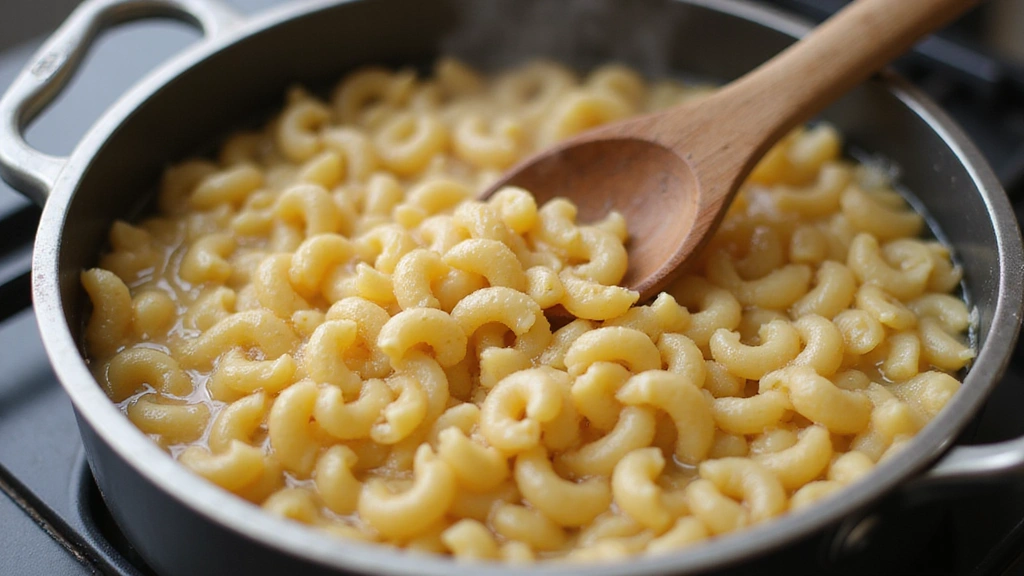
Bring a large pot of salted water to a boil.
Add the elbow macaroni and cook until al dente, about 7-8 minutes.
Drain the pasta and set it aside.
Ensure the pasta is not overcooked, as it will continue to cook in the oven.
Step 2: Prepare the Roux
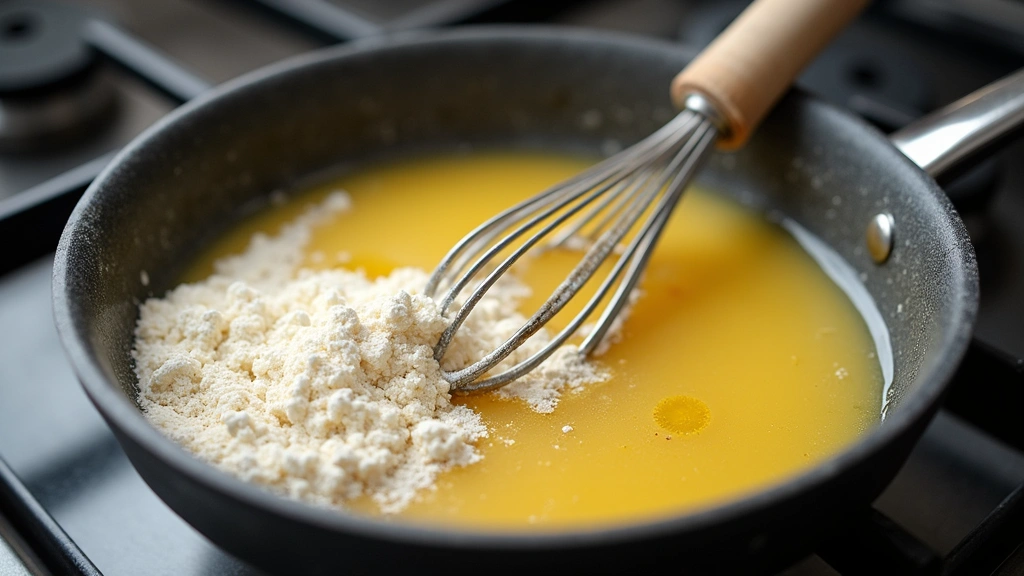
Melt butter in a saucepan over medium heat.
Add the flour and whisk continuously for about 1-2 minutes until the mixture is smooth and golden.
Look for a pale, bubbly mixture indicating the flour is cooked.
This forms the base for the cheese sauce, so ensure no lumps are present.
Step 3: Make the Cheese Sauce
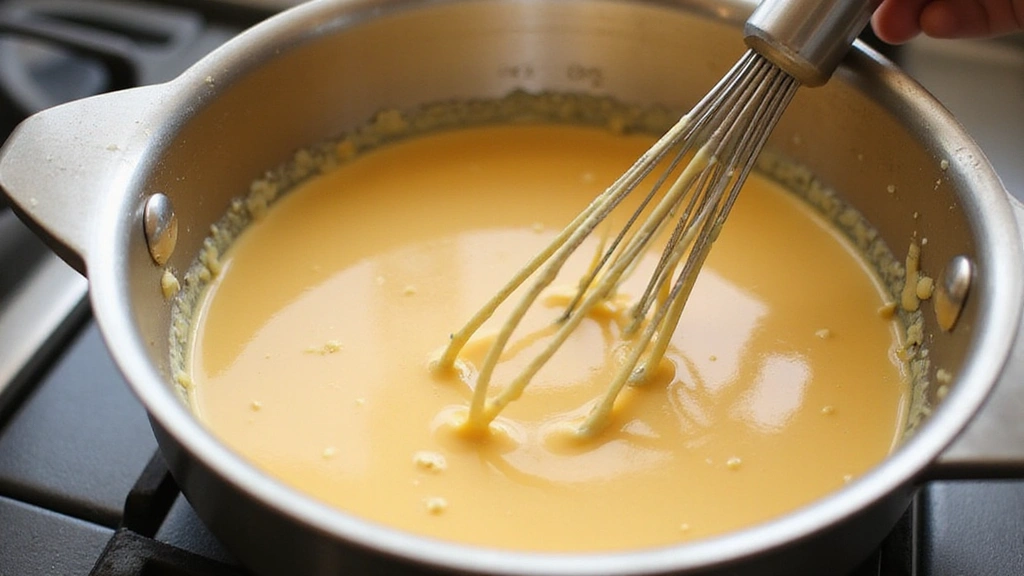
Gradually add milk to the roux, whisking constantly to avoid lumps.
Bring the mixture to a simmer, stirring until thickened.
Add cheddar and gruyere cheese, stirring until fully melted.
Ensure the sauce is smooth and creamy before removing from heat.
Step 4: Season the Sauce
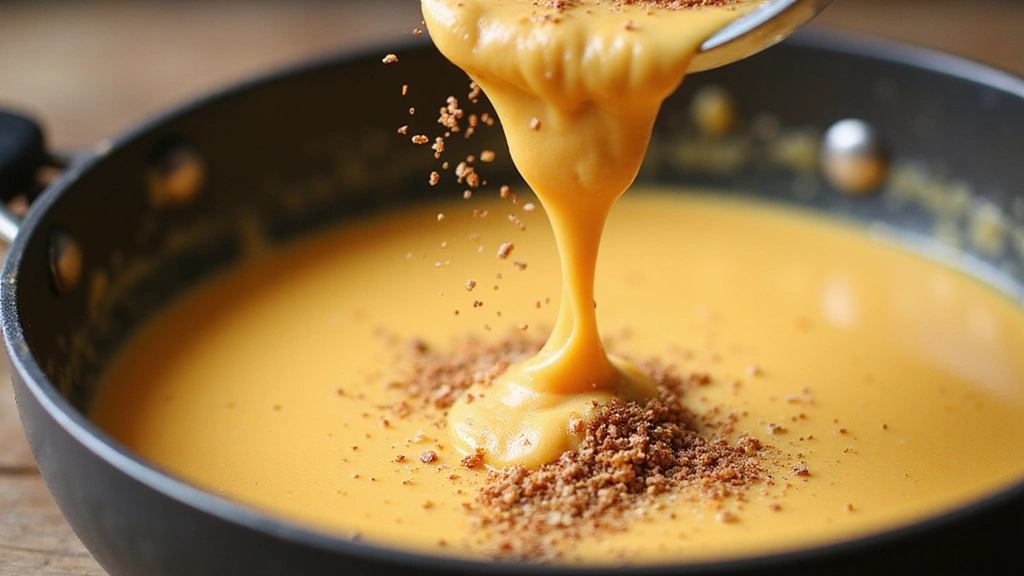
Add salt, pepper, and nutmeg to the cheese sauce.
Stir well to incorporate the seasonings evenly.
Taste and adjust seasoning as needed.
The sauce should be well-seasoned but not overpowering.
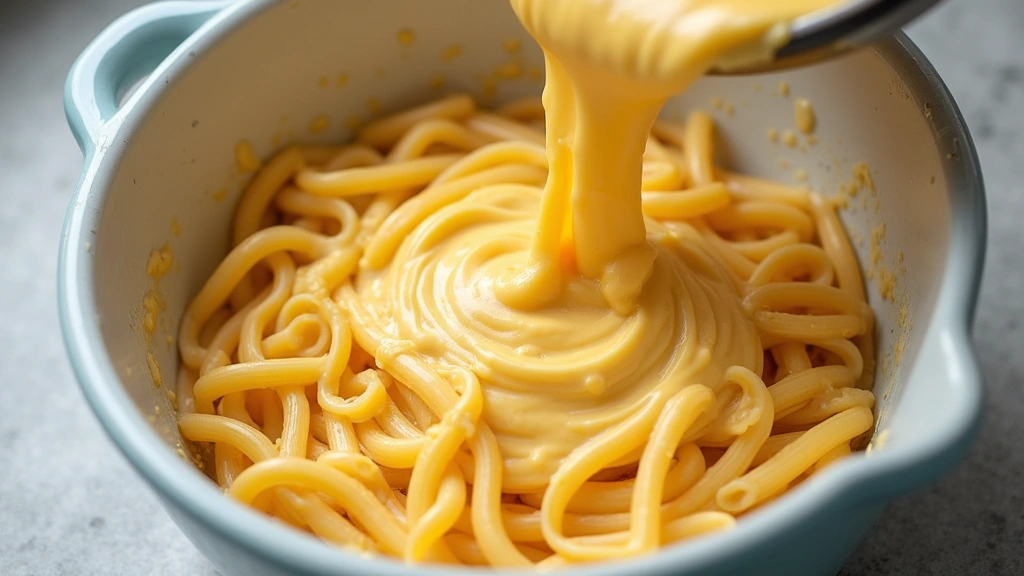
Step 5: Combine Pasta and Sauce
Preheat your oven to 350°F (175°C).
Mix the cooked pasta with the cheese sauce in a large bowl.
Ensure the pasta is evenly coated with the sauce.
This step ensures every piece of pasta is flavorful and creamy.
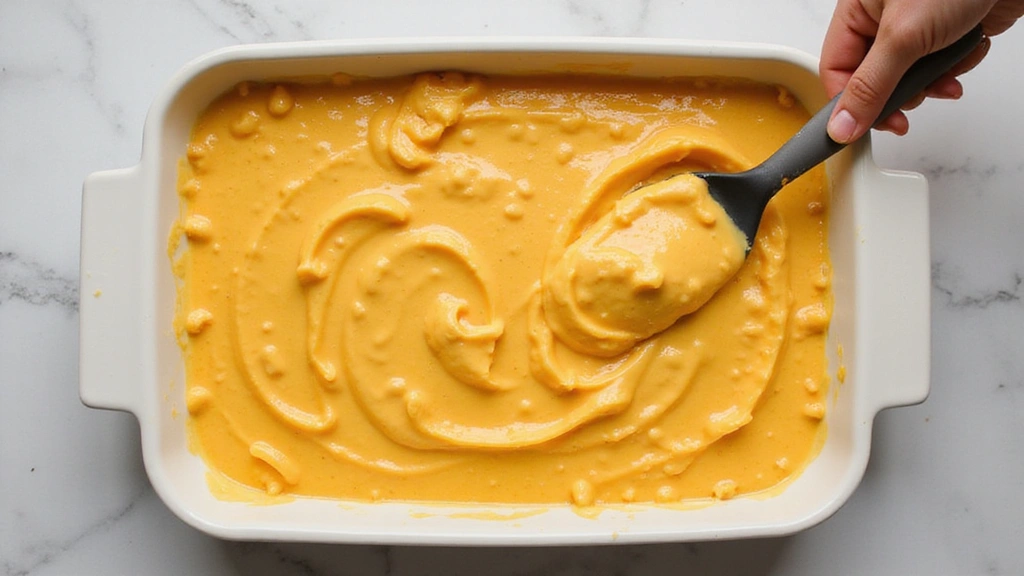
Step 6: Transfer to Baking Dish
Grease an oven-safe baking dish with butter.
Transfer the pasta and cheese mixture into the dish, spreading it evenly.
Smooth the top with a spatula for even baking.
This prepares the dish for a golden, crispy top.
Step 7: Bake the Mac and Cheese
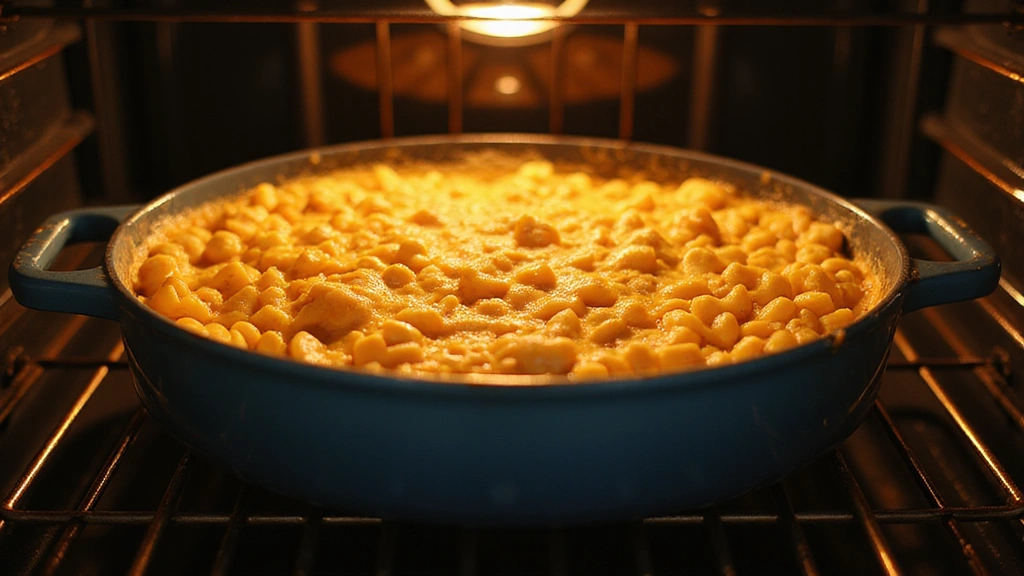
Place the baking dish in the preheated oven.
Bake for 20-25 minutes until the top is golden and bubbly.
Check for a crispy, golden crust as an indicator of doneness.
Avoid overbaking to prevent drying out the dish.
Step 8: Serve and Enjoy
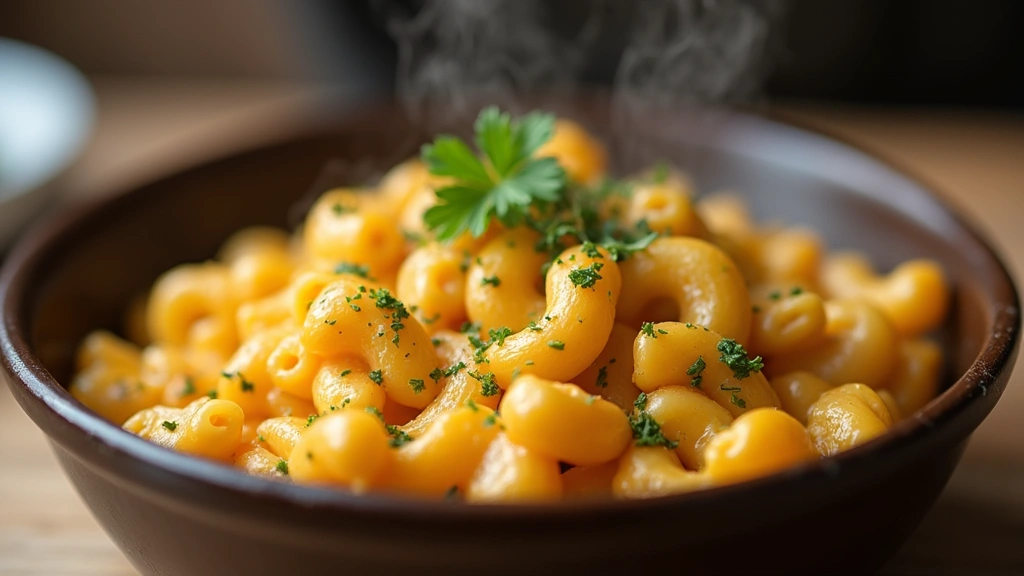
Remove the dish from the oven carefully.
Allow it to cool for a few minutes before serving.
Garnish with fresh herbs like parsley if desired.
Serve hot and enjoy the creamy, cheesy delight.
Critical Timing and Temperature Guide
Cooking Pasta: Boil for exactly 7-8 minutes until al dente; overcooking leads to mushy texture.
Baking Temperature: Bake at 350°F (175°C); a higher temperature may burn the top before the inside is heated through.
Cheese Sauce Consistency: Simmer until thickened to coat a spoon; too thin and it won't adhere to pasta properly.
Pro Tips for Baked Mac and Cheese
• Ingredient Selection: Always opt for high-quality cheddar and gruyere, as they provide the best flavor and meltability.
• Preparation Secret: Toasting the flour slightly before adding butter can enhance the nutty flavor of the roux.
• Temperature Management: Use room-temperature milk to prevent shocking the roux, which can cause lumps.
• Texture Enhancement: Adding a breadcrumb topping mixed with melted butter can add a delightful crunch.
• Flavor Layering: Incorporate a dash of mustard powder to the cheese sauce for added depth.
• Make-Ahead Strategies: Prepare the cheese sauce in advance and store in the fridge for up to 2 days, reheating gently before mixing with pasta.
• Restaurant-Quality Finishing Touches: Broil for the last 2 minutes to achieve a perfectly golden top.
• Equipment Optimization: If using a non-stick pan, reduce heat slightly to prevent the cheese from sticking and burning.
Troubleshooting Common Issues
• Texture Too Dense: This can occur if the pasta is overcooked or if too much flour is used in the roux. Ensure pasta is al dente and measure flour accurately.
• Flavors Unbalanced: Often due to inadequate seasoning. Taste the cheese sauce before combining with pasta and adjust salt and pepper as needed.
• Cheese Sauce Clumping: Happens if cheese is added all at once or at too high a temperature. Add cheese gradually and lower heat.
• Pasta Sticking Together: Rinse pasta briefly after cooking to remove excess starch, which can cause sticking.
• Sauce Too Thin: If the sauce doesn't thicken, simmer longer or add a bit more flour to the roux initially.
• Top Not Browning: Ensure oven is preheated and adjust oven rack position for optimal top heat during the last few minutes of baking.
Variations and Regional Differences
• Southern Style: Includes a breadcrumb topping mixed with butter and spices, adding a crunchy layer.
• Italian Version: Uses béchamel sauce as a base with a mix of parmesan and mozzarella for a distinctly Italian flavor.
• Mexican Twist: Incorporates jalapeños and a blend of cheddar and pepper jack cheese for a spicy kick.
• Vegan Adaptation: Utilizes cashew cream and nutritional yeast instead of dairy for a plant-based version.
Food Science Behind the Recipe
• Roux Thickening: The combination of fat and flour creates a stable mixture that thickens liquids, essential for the cheese sauce.
• Cheese Emulsification: Proper melting ensures cheese proteins and fats are evenly distributed, preventing clumping.
• Maillard Reaction: The browning of the cheese topping is due to this reaction, which enhances flavor and color.
• Starch Gelatinization: Occurs during pasta cooking, where heat and moisture expand starch molecules, giving pasta its texture.
Frequently Asked Questions
What's the most common mistake people make when preparing Baked Mac and Cheese? The most common mistake is overcooking the pasta, which leads to a mushy texture in the final dish.
Can I use pre-shredded cheese? While convenient, pre-shredded cheese often contains anti-caking agents that can affect melting. Freshly grated cheese is recommended.
How can I make it gluten-free? Substitute gluten-free pasta and use a gluten-free flour blend for the roux.
Is it possible to make it ahead of time? Yes, you can prepare the sauce in advance and store it separately, combining with pasta just before baking.
Why is my cheese sauce gritty? Gritty texture can occur if cheese is heated too quickly. Always melt cheese over low heat.
What's the best way to reheat leftovers? Reheat in a preheated oven at 350°F (175°C) covered with foil to retain moisture.
Can I freeze Baked Mac and Cheese? Yes, freeze after baking and cooling, wrapped tightly, for up to 2 months.
What can I add to make it a complete meal? Adding cooked chicken, bacon, or vegetables like broccoli can enhance the nutritional profile and make it heartier.
Serving and Presentation Guide
• Traditional Presentation: Serve in the baking dish with a garnish of fresh parsley for a homestyle feel.
• Individual Servings: Use ramekins for personal-sized portions, perfect for special occasions.
• Family Style: Present in a large serving bowl with a ladle, encouraging communal dining.
• Upscale Touch: Plate neatly with a side of mixed greens or a simple salad for a balanced meal.
Conclusion
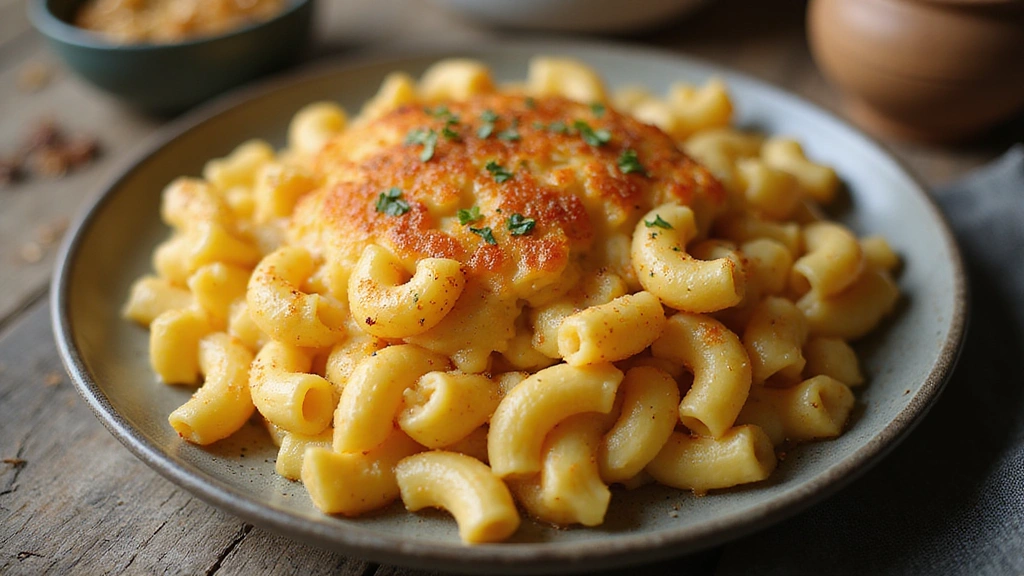
Creating a perfect Baked Mac and Cheese at home is both an art and a science.
With these expert tips and detailed guidance, you're well-equipped to impress your family and friends.
Enjoy the warmth and comfort of this classic dish, knowing you've mastered its subtleties.
Happy cooking and even happier eating!