

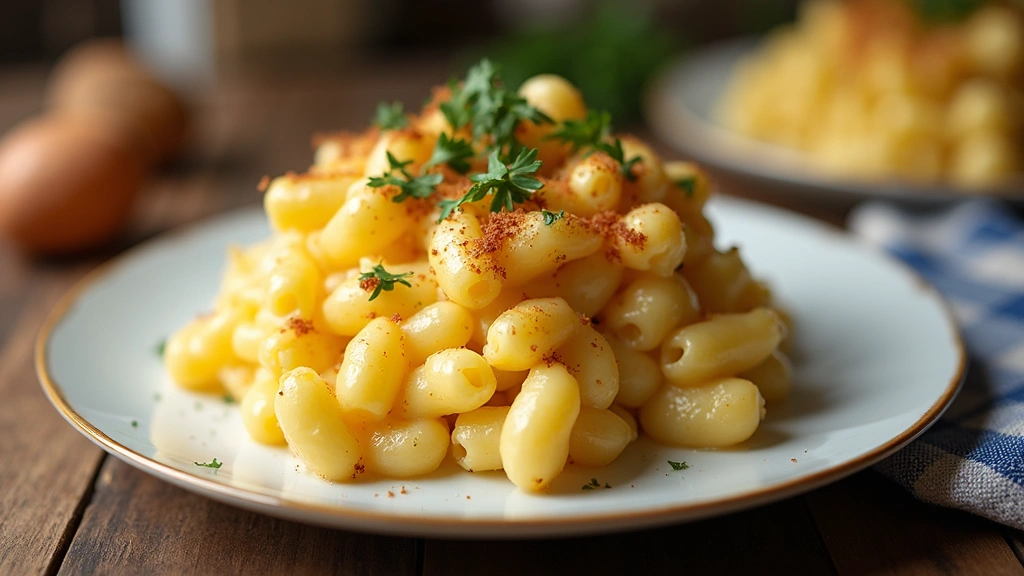
There’s something undeniably comforting about a bowl of mac and cheese.
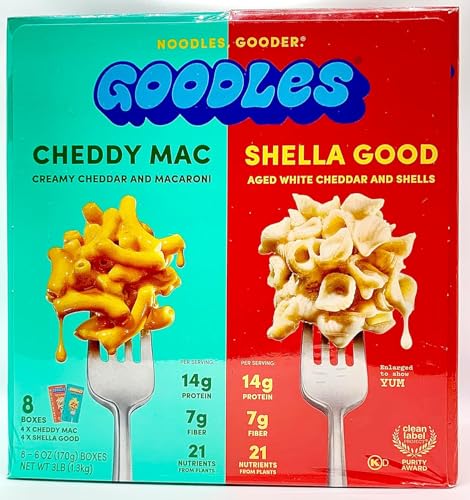
Whether you’re reliving childhood memories or seeking a quick meal solution, boxed mac and cheese has long been a pantry staple.
Yet, with a few gourmet tweaks, this humble dish can transform into something truly special.
Think creamy, decadent cheese sauce with layers of flavor that elevate every bite.
In this guide, we’ll explore how to take your boxed mac and cheese from ordinary to extraordinary.
Prepare to impress your taste buds and surprise your guests with these creative upgrades.
The History and Cultural Significance
• Boxed Mac and Cheese traces its origins to the early 20th century, where it was originally created by Kraft Foods as a convenient meal option during the Great Depression.
• The dish evolved over decades as more cheese varieties and flavorings were introduced, eventually becoming the beloved version we know today.
• In American culture, this dish traditionally appears at family gatherings and potlucks, symbolizing comfort and nostalgia.
• While many variations exist across different regions, the authentic version maintains a creamy, cheesy consistency that sets it apart from imitations.
Recipe Overview
Nutritional Information (per serving)


Essential Equipment Guide
Large Pot: A large pot is essential for boiling pasta evenly and preventing it from sticking. Alternatives include a pasta cooker or multi-cooker with a pasta setting. Look for pots with a heavy bottom for even heat distribution.
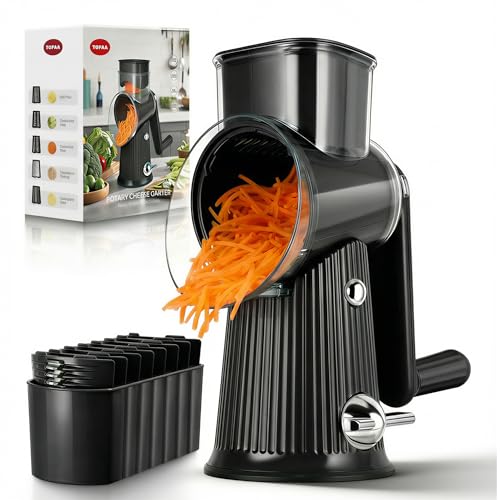
Cheese Grater: Freshly grated cheese melts more evenly and enhances the flavor of the dish. A box grater or microplane can be used, with the latter providing finer shreds. Opt for stainless steel models for durability.
Oven-Safe Skillet: An oven-safe skillet allows you to finish the dish under the broiler for a crispy topping. Cast iron or stainless steel skillets work well, and ensure they have heat-resistant handles.




Ingredients
For the Base
|
|
| Amount | Ingredient | Notes |
|---|---|---|
| 1 box | macaroni and cheese mix | standard box size |
| 2 tablespoons | butter | adds richness |
| 1/4 cup | milk | for creaminess |
For the Cheese Sauce
| Amount | Ingredient | Notes |
|---|---|---|
| 1/2 cup | cheddar cheese | freshly grated, adds sharpness |
| 1/4 cup | parmesan cheese | freshly grated, adds depth |
| 1 tablespoon | cream cheese | for extra creaminess |
Vegetables
| Amount | Ingredient | Notes |
|---|---|---|
| 1 cup | broccoli florets | lightly steamed |
| 1 medium | red bell pepper | diced |
Seasonings
| Amount | Ingredient | Notes |
|---|---|---|
| 1 teaspoon | garlic powder | adds aroma |
| 1/2 teaspoon | smoked paprika | adds warmth and smokiness |
| 1/4 teaspoon | black pepper | for a hint of spice |



Preparation Methods
Cheese Melting: Melting cheese evenly is crucial for a smooth sauce. Use low heat to prevent clumping and stir continuously. Shred cheese finely to help it melt evenly.
Steaming Vegetables: Steaming broccoli ensures it retains its bright color and nutrients. Use a steamer basket over boiling water, and steam just until tender-crisp.
Broiling: Broiling the finished dish adds a crispy top layer. Place the dish under a preheated broiler for 2-3 minutes, watching closely to prevent burning.


Step 1: Prepare Ingredients
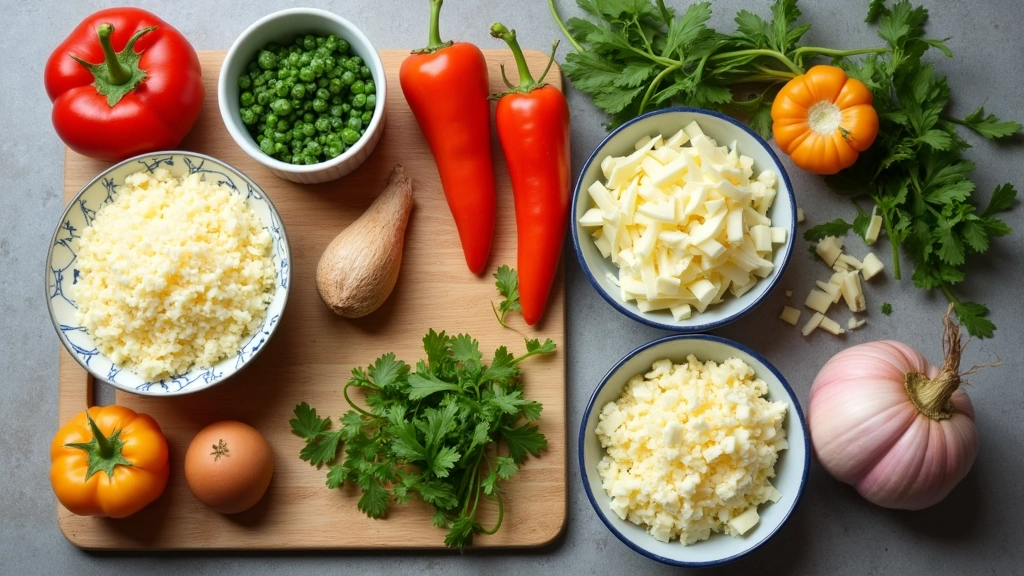
Gather all the ingredients and measure them out.
Shred the cheeses and dice the red bell pepper.
Steam the broccoli florets until tender-crisp.
Organize everything within easy reach for cooking.

Step 2: Boil Pasta
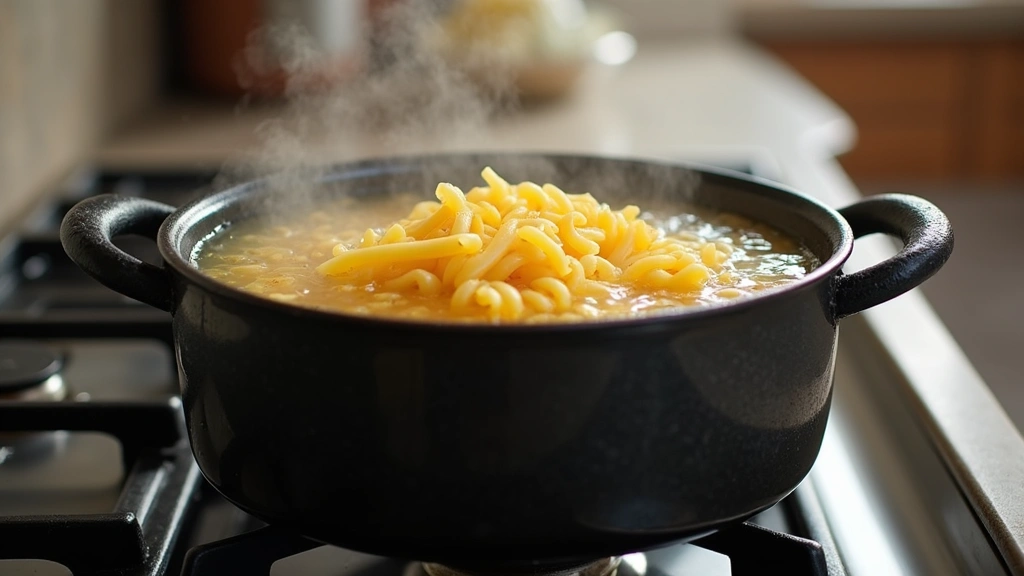
Fill a large pot with water and bring it to a boil over high heat.
Add the pasta from the boxed mix and cook according to package instructions.
Stir occasionally to prevent sticking.
Drain and set aside, keeping it warm.
Step 3: Prepare Cheese Sauce
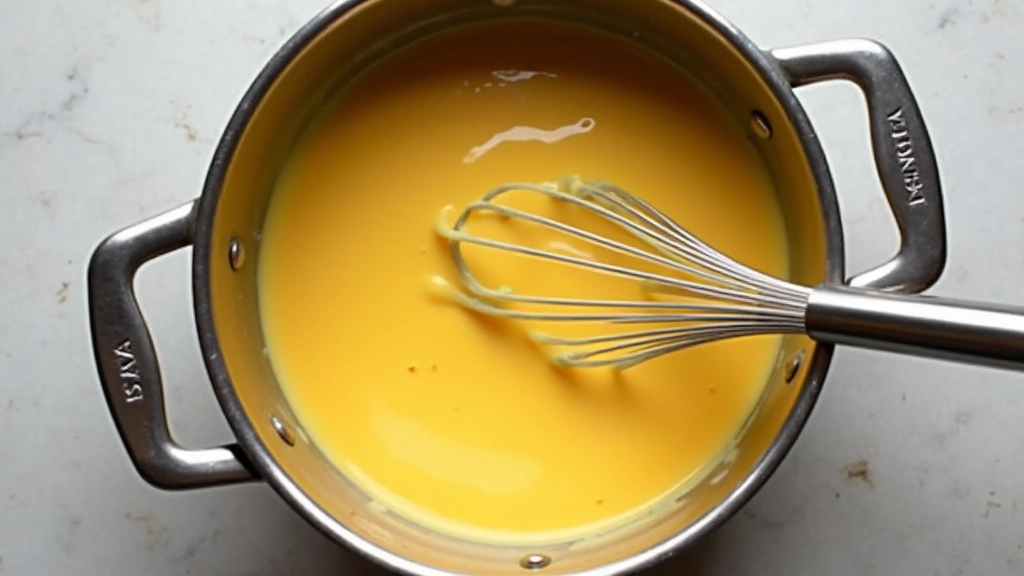
In a separate saucepan, melt butter over low heat.
Add the milk and stir in the cheese powder from the box.
Gradually add the cheddar, parmesan, and cream cheese, stirring continuously.
Keep stirring until the cheese is fully melted and the sauce is smooth.


Step 4: Combine Pasta and Sauce
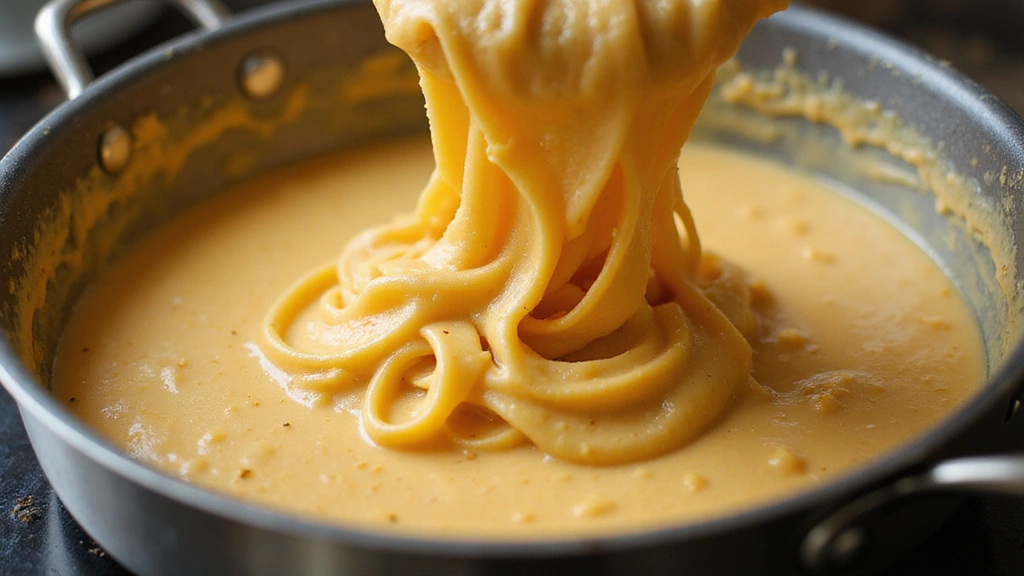
Add the cooked pasta to the cheese sauce.
Stir gently to coat the pasta evenly with the sauce.
Ensure all pasta is well covered for maximum flavor.
Adjust seasoning if necessary.

Step 5: Add Vegetables and Seasonings
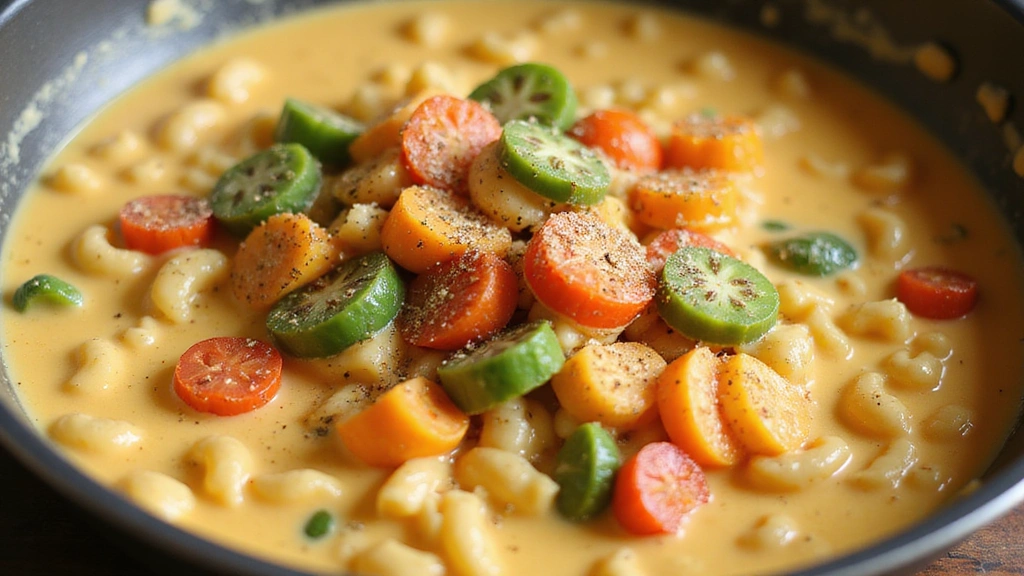
Stir in the steamed broccoli and diced red bell pepper.
Add garlic powder, smoked paprika, and black pepper.
Mix until the vegetables are evenly distributed.
Taste and adjust seasoning as needed.
Step 6: Transfer to Skillet
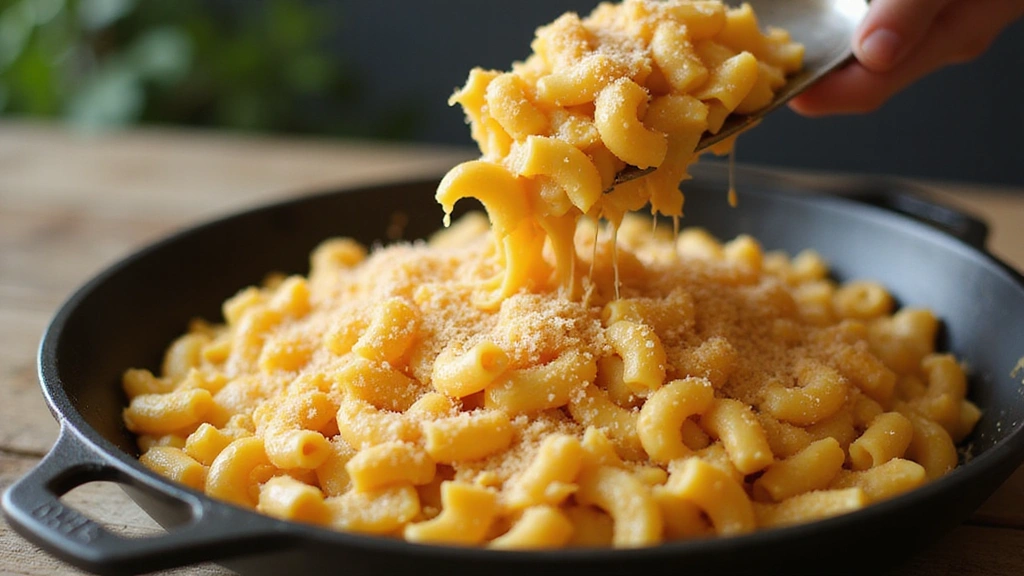
Preheat your oven's broiler.
Transfer the mac and cheese mixture to an oven-safe skillet.
Spread it out evenly for consistent broiling.
Sprinkle additional cheese on top for a golden crust.
Step 7: Broil for Crispy Topping
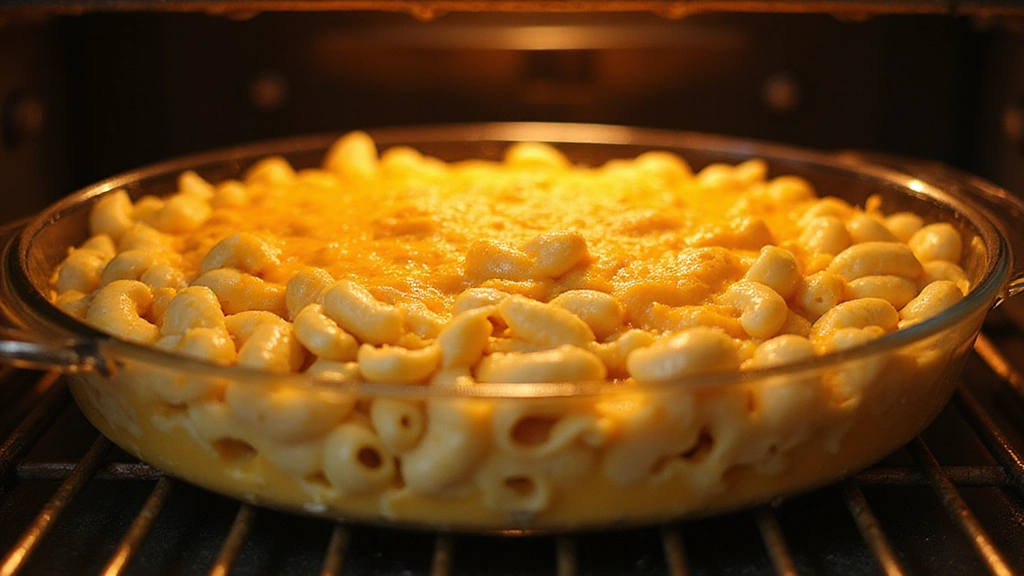
Place the skillet under the broiler.
Broil for 2-3 minutes until the cheese on top is golden and bubbly.
Watch closely to avoid burning.
Remove from oven once the desired crust is achieved.
Step 8: Serve and Enjoy
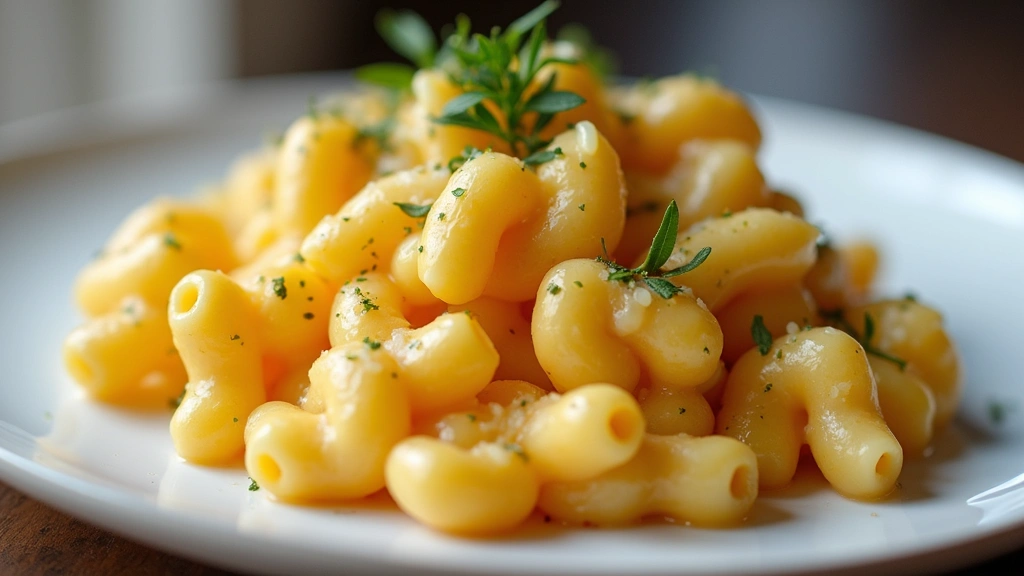
Let the mac and cheese cool slightly before serving.
Portion onto plates or bowls.
Garnish with fresh herbs if desired.
Enjoy your gourmet upgraded mac and cheese!


Critical Timing and Temperature Guide
Boiling Pasta: Boil pasta for 7-9 minutes until al dente, ensuring it's not overcooked, which can lead to mushy texture.
Melting Cheese: Melt cheese over low heat to avoid clumping or burning, stirring constantly for a smooth texture.
Broiling: Broil for 2-3 minutes at high heat, watching closely to achieve a golden crust without burning the cheese.
Pro Tips for Boxed Mac and Cheese
• Ingredient Selection: Use high-quality cheeses like aged cheddar and fresh parmesan for the best flavor impact.
• Preparation Secret: Adding a touch of cream cheese to the sauce elevates the creaminess.
• Temperature Management: Ensure the cheese sauce is warm but not too hot when combining with pasta to avoid separation.
• Texture Enhancement: Broiling the top adds a delightful crunchy texture that contrasts with the creamy interior.
• Flavor Layering: Incorporate smoked paprika and garlic powder to develop depth and complexity in the cheese sauce.
• Make-Ahead Strategies: Prepare the cheese sauce a day ahead and store in the refrigerator; reheat gently before mixing with pasta.
• Restaurant-Quality Finishing Touches: Garnish with chopped fresh parsley or chives for a burst of color and freshness.
• Equipment Optimization: Use a non-stick skillet for easy cleanup and even broiling.
Troubleshooting Common Issues
• Cheese Sauce Too Thin: If the sauce is too thin, add more grated cheese and heat gently to thicken.
• Pasta Overcooked: Cook pasta until just al dente to prevent it from becoming mushy after mixing with the sauce.
• Flavors Unbalanced: Adjust seasoning by adding a pinch of salt or more garlic powder to enhance flavor.
• Burned Cheese Top: Keep a close eye on the broiler and adjust the oven rack to prevent burning.
• Vegetables Too Soft: Steam vegetables until just tender-crisp to maintain their texture in the final dish.
• Separation of Sauce: Stir cheese sauce constantly over low heat to prevent separation and achieve a smooth consistency.
Variations and Regional Differences
• Italian Style: Incorporate mozzarella and fresh basil, and top with a sprinkle of breadcrumbs before broiling.
• Tex-Mex Variation: Add cooked chorizo, jalapeños, and a sprinkle of cumin for a spicy twist.
• Southern Comfort: Use sharp cheddar and add a touch of hot sauce for a classic southern flavor.
• French-Inspired: Include gruyere cheese and caramelized onions for a rich, sophisticated version.
Food Science Behind the Recipe
• Emulsification: The combination of butter and cheese creates an emulsion, which results in a smooth and creamy sauce.
• Starch Gelatinization: The pasta releases starch into the cooking water, which helps thicken the sauce when combined.
• Maillard Reaction: Broiling the top causes the Maillard reaction, creating a browned, flavorful crust that enhances the dish.
Frequently Asked Questions
What's the most common mistake people make when preparing boxed mac and cheese? Overcooking the pasta is a common mistake that results in a mushy texture. Always cook pasta to al dente.
Can I make this recipe gluten-free? Yes, substitute gluten-free pasta and ensure all additional ingredients are gluten-free.
How do I store leftovers? Store leftovers in an airtight container in the refrigerator for up to three days. Reheat gently on the stove or in the oven.
Can I add protein to this dish? Absolutely! Grilled chicken, cooked bacon, or crumbled sausage are excellent additions.
How do I prevent the cheese sauce from becoming grainy? Use freshly grated cheese and melt it slowly over low heat, stirring continuously.
Is it possible to make this dish vegetarian? Yes, simply omit any meat additions and use vegetable broth if needed.
Can I freeze the prepared mac and cheese? Freezing is not recommended as the texture may change, but it can be done if necessary. Thaw in the refrigerator before reheating.
Serving and Presentation Guide
• Traditional Presentation: Serve in a large, rustic bowl with a sprinkle of freshly chopped parsley.
• Individual Portions: Serve in small ramekins with a side of crusty bread.
• Family-Style: Present in the skillet used for broiling, allowing guests to serve themselves.
• Gourmet Plating: Portion onto plates and garnish with fresh herbs and a drizzle of truffle oil for an upscale touch.
Conclusion
Now that you've explored these gourmet upgrade ideas, it's time to elevate your boxed mac and cheese.
With just a few additional ingredients and techniques, you can transform this classic dish into a showstopper.
Invite your friends and family to experience the delicious results.
Happy cooking and enjoy your culinary creation!