

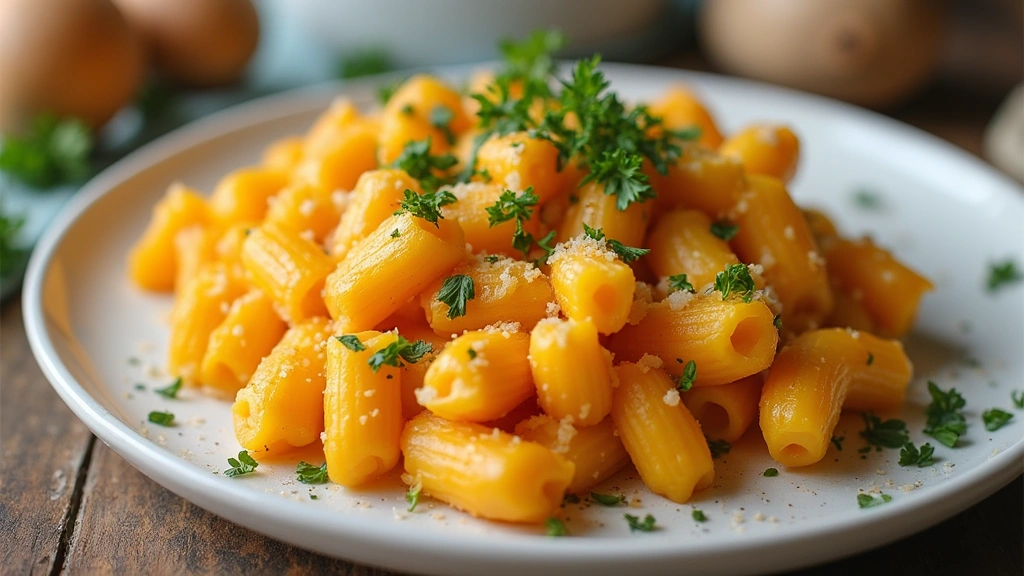
As the leaves turn and the air crisps, comfort food becomes a staple in my home.
Butternut Squash Mac and Cheese marries the creamy indulgence of a classic with the earthy sweetness of seasonal squash.
This dish is both cozy and nourishing, offering a healthier twist on a beloved favorite.
The rich, velvety sauce clings to every noodle, creating a harmonious blend of flavors that warms the soul.
Whether you’re a mac and cheese purist or an adventurous foodie, this recipe promises satisfaction and surprise.
Join me in bringing this autumn delight to your table, where each bite tells a story of comfort and creativity.
The History and Cultural Significance
• Butternut Squash Mac traces its origins to early American settlers who combined native ingredients with European culinary traditions.
• The dish evolved over decades as squash varieties became more prevalent and cheese-making techniques improved, eventually becoming the beloved version we know today.
• In American culture, this dish traditionally appears at Thanksgiving and harvest festivals, symbolizing abundance and gratitude.
• While many variations exist across different regions, the authentic version maintains a balance of creamy cheese and sweet squash that sets it apart from imitations.
Recipe Overview
Nutritional Information (per serving)
Essential Equipment Guide
Blender: Essential for achieving a smooth, creamy sauce by pureeing the butternut squash and cheese together. A high-speed blender is ideal, but an immersion blender can work in a pinch.
Baking Dish: A ceramic or glass baking dish helps evenly distribute heat and allows the mac and cheese to bake without sticking. Look for a dish that’s both oven and dishwasher safe.
Whisk: Crucial for ensuring a lump-free sauce. A balloon whisk is recommended for its ability to incorporate air and create a smooth, creamy texture.
Ingredients
For the Base
|
|
| Amount | Ingredient | Notes |
|---|---|---|
| 8 ounces | whole wheat elbow pasta | provides a hearty texture |
| 1 teaspoon | salt | for boiling water |
For the Sauce
| Amount | Ingredient | Notes |
|---|---|---|
| 3 cups | butternut squash | peeled, cubed |
| 1 cup | low-fat milk | adds creaminess |
| 1 cup | sharp cheddar cheese | grated, for flavor |
| 1 tablespoon | olive oil | for richness |
Seasonings
| Amount | Ingredient | Notes |
|---|---|---|
| 1 teaspoon | nutmeg | adds warmth |
| 1 teaspoon | garlic powder | enhances flavor |
| 1 pinch | cayenne pepper | for a slight kick |
Preparation Methods
Roasting the Squash: Roasting enhances the natural sweetness of the squash and softens it for blending. Spread cubes on a baking sheet, drizzle with olive oil, and roast at 400°F until tender and caramelized.
Pureeing: Use a blender to achieve a smooth sauce. Start on low speed and gradually increase to high, ensuring the mixture is completely smooth and lump-free.
Infusing Flavors: Allow spices to bloom in the warm sauce. Add seasonings while the sauce is still on the heat, stirring continuously to ensure even distribution and maximum flavor.
Step 1: Prepare Ingredients
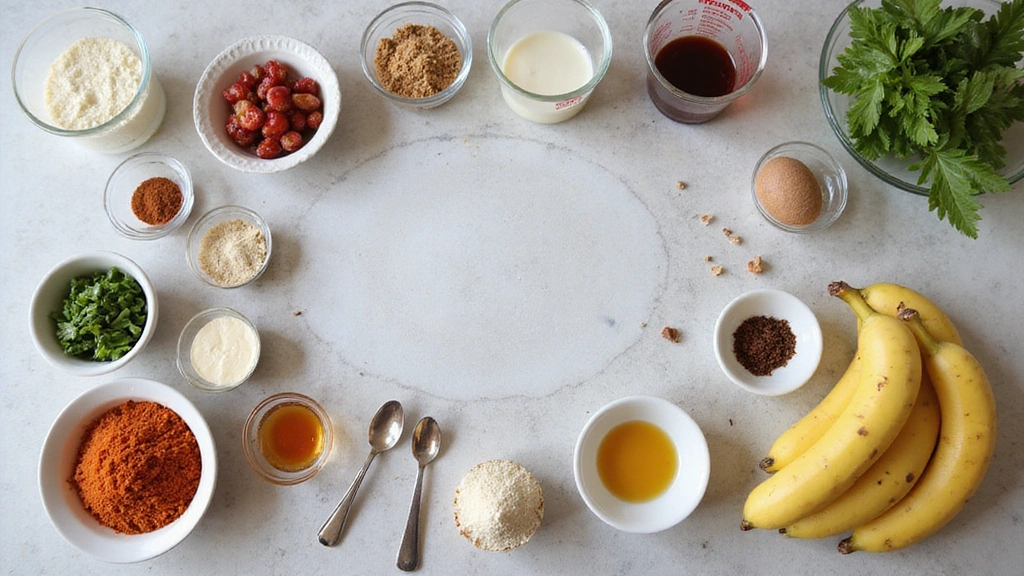
Gather all ingredients and equipment.
Ensure butternut squash is peeled and cubed.
Measure out cheese, milk, and seasonings.
Organize everything within reach for easy access.
Step 2: Cook Pasta
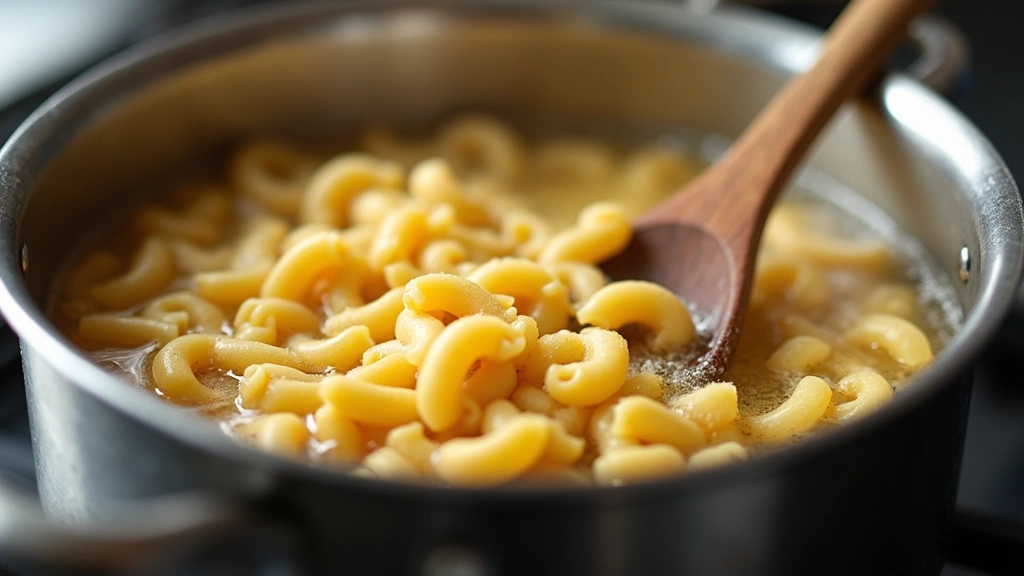
Bring a large pot of salted water to a boil.
Add pasta and cook until al dente, about 8 minutes.
Drain pasta and set aside, reserving a cup of pasta water.
Toss pasta with a little olive oil to prevent sticking.
Step 3: Roast Butternut Squash
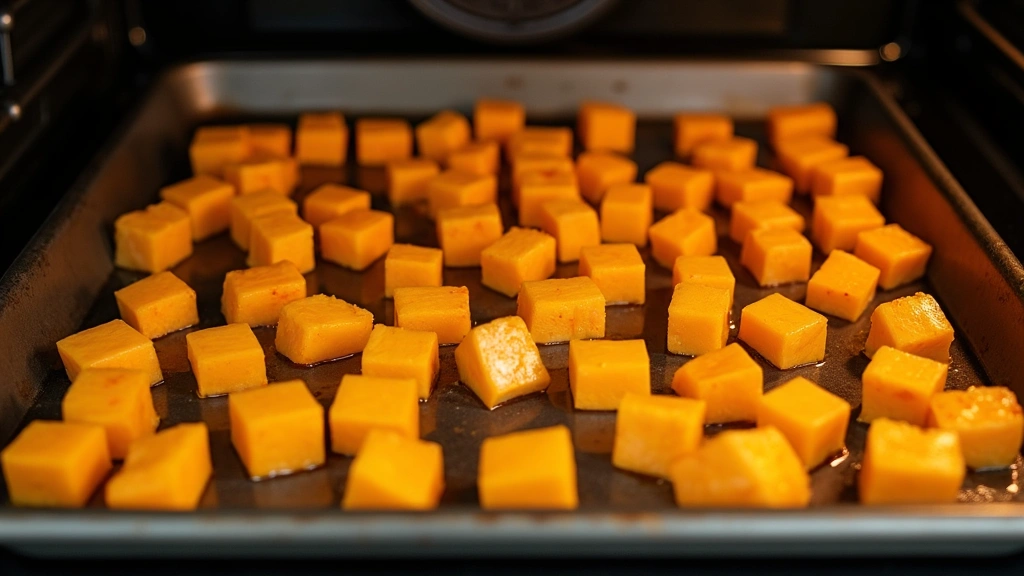
Preheat oven to 400°F (200°C).
Spread cubed squash on a baking sheet and drizzle with olive oil.
Roast for 20 minutes, until tender and slightly caramelized.
Remove from oven and let cool slightly.
Step 4: Blend Squash and Milk
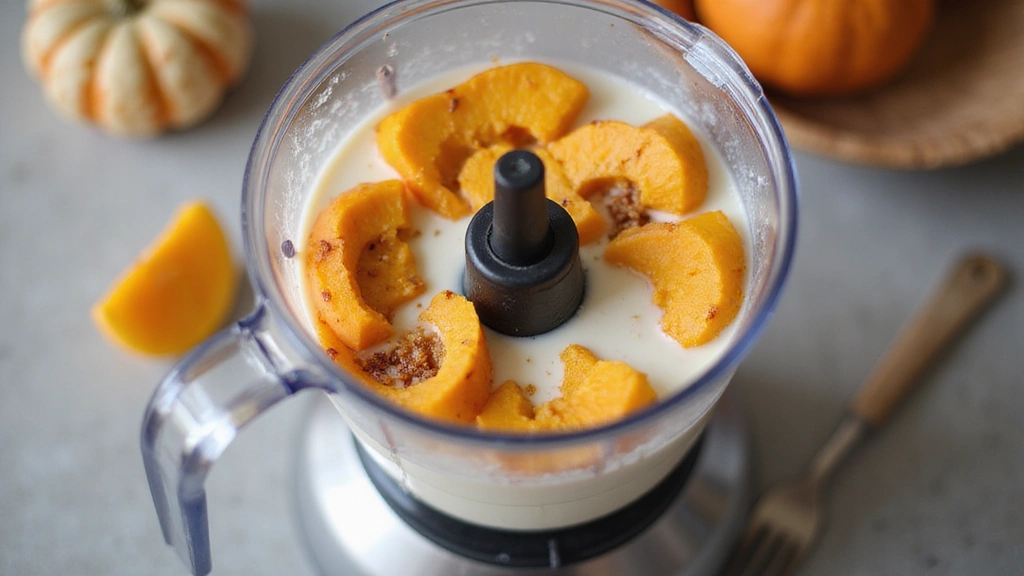
Transfer roasted squash to a blender.
Add milk and blend until completely smooth.
Pause to scrape down sides as needed.
Ensure no lumps remain for a creamy sauce.
Step 5: Make Cheese Sauce
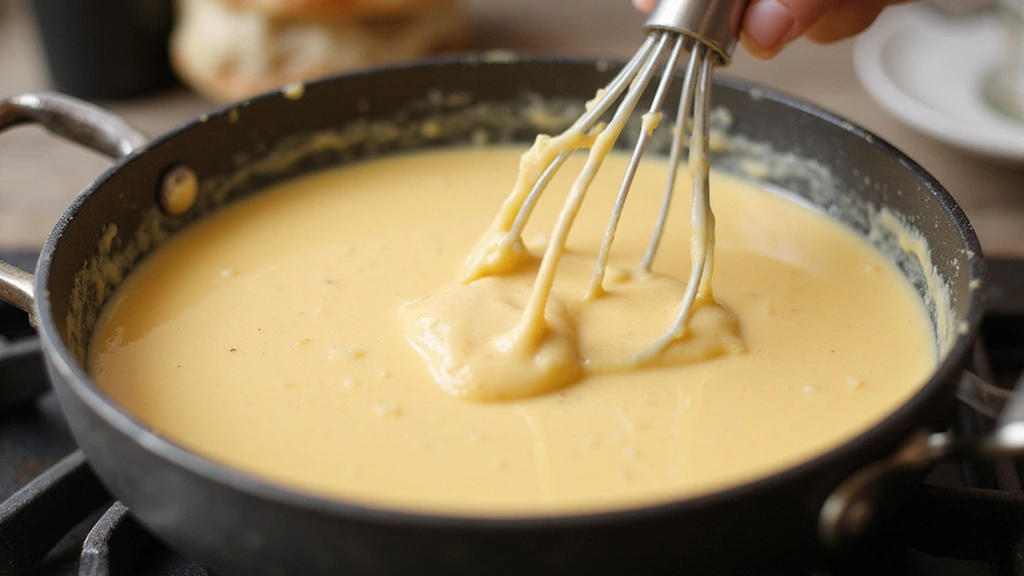
Pour blended squash mixture into a saucepan over medium heat.
Add grated cheddar cheese, stirring continuously.
Allow cheese to melt fully, creating a smooth sauce.
Adjust thickness with reserved pasta water if needed.
Step 6: Season the Sauce
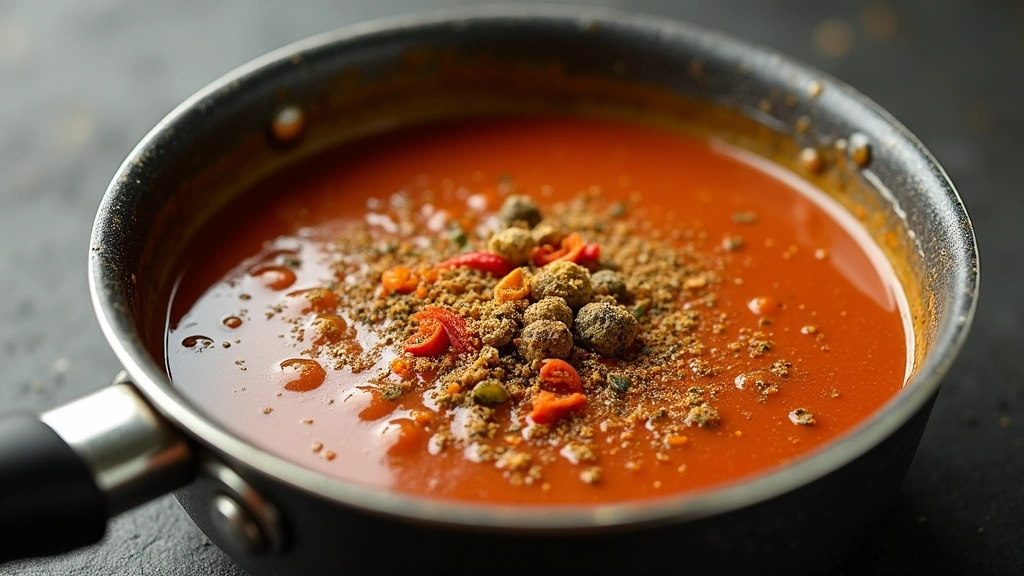
Add nutmeg, garlic powder, and cayenne pepper to the sauce.
Stir well to combine and let flavors meld.
Taste and adjust seasoning as desired.
Ensure spices are evenly distributed throughout the sauce.
Step 7: Assemble the Dish
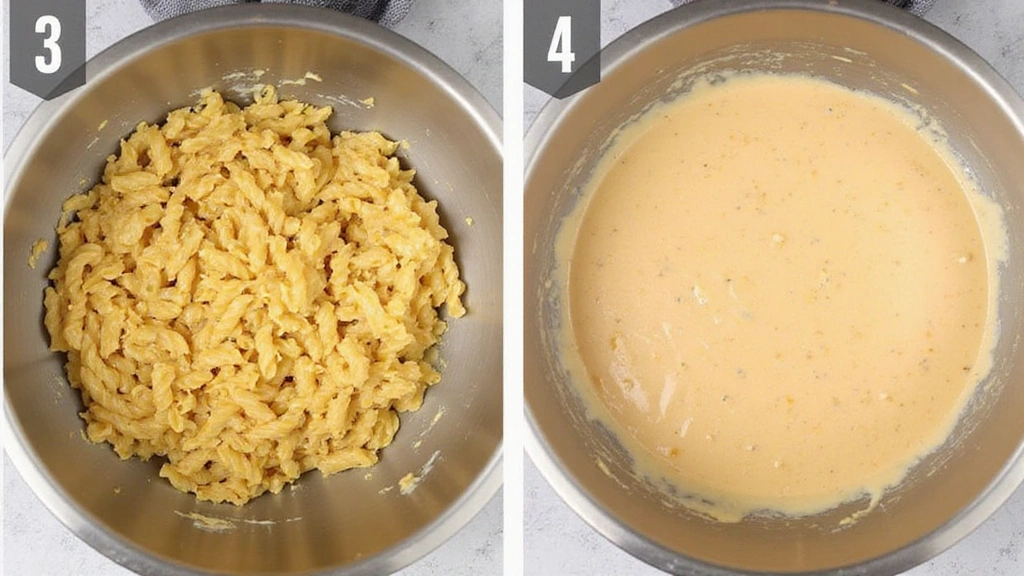
Combine cooked pasta with cheese sauce in a large bowl.
Stir until pasta is evenly coated with sauce.
Transfer mixture to a greased baking dish.
Smooth the top with a spatula for even baking.
Step 8: Bake the Mac and Cheese
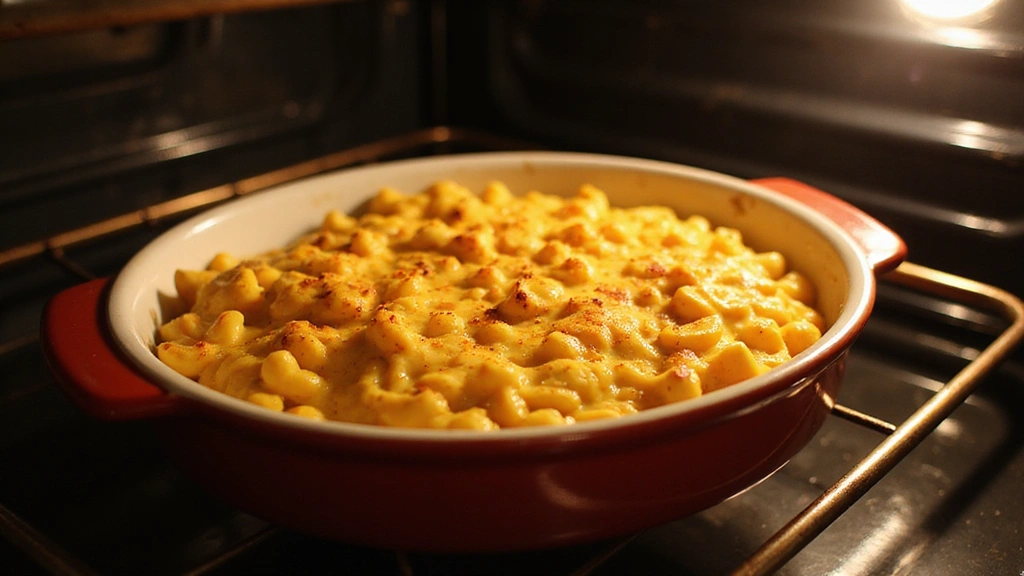
Preheat oven to 350°F (175°C).
Place baking dish in the oven on the middle rack.
Bake for 15-20 minutes, until golden and bubbly.
Allow to cool slightly before serving.
Critical Timing and Temperature Guide
Roasting Squash: Roast at 400°F for 20 minutes until tender and caramelized. Look for browned edges as an indicator. Avoid under-roasting, which can lead to a bland sauce.
Baking the Dish: Bake at 350°F for 15-20 minutes until bubbly and golden. Overbaking may dry out the sauce, so watch for bubbling edges as a cue.
Melting Cheese: Keep the sauce over medium heat to prevent scorching. Cheese should melt smoothly without clumping; if it does, reduce heat slightly.
Pro Tips for Butternut Squash Mac
• Ingredient Selection: Choose a ripe butternut squash with a deep orange color for the sweetest flavor and best texture.
• Preparation Secret: Soak cubed squash in warm water for 10 minutes before roasting to enhance caramelization.
• Temperature Management: Let the cheese come to room temperature before adding it to the sauce for smoother melting.
• Texture Enhancement: Blend the sauce for an extra minute to incorporate air, yielding a lighter, fluffier texture.
• Flavor Layering: Add a pinch of smoked paprika to the sauce for an added depth of flavor.
• Make-Ahead Strategies: Prepare the sauce a day in advance and store it in the fridge. Reheat gently before combining with pasta.
• Restaurant-Quality Finishing Touches: Sprinkle freshly chopped herbs, like parsley or chives, over the baked dish for a pop of color and flavor.
• Equipment Optimization: Use a food processor for grating cheese to save time and ensure uniform shreds.
Troubleshooting Common Issues
• Texture Too Dense: Caused by overcooking the pasta or insufficient sauce. Recognize by heavy, clumpy pasta; fix by adding more sauce or a splash of milk.
• Flavors Unbalanced: Overuse of spices or under-seasoning. Taste at each stage; adjust by adding small amounts of salt or lemon juice.
• Sauce Too Thin: Result of too much liquid. Thicken by simmering longer or adding a slurry of cornstarch and water.
• Cheese Clumping: Occurs when cheese is added too quickly to a hot sauce. Remedy by removing from heat and stirring vigorously.
• Overcooked Pasta: Happens from prolonged baking. Use undercooked pasta initially to avoid mushiness.
Variations and Regional Differences
• Southwestern Twist: Incorporate roasted poblano peppers and corn for a spicy, smoky version, often served at summer barbecues.
• Italian Influence: Use parmesan and fontina cheeses with a touch of sage, reflecting Northern Italian flavor profiles.
• Vegan Alternative: Substitute cheese with nutritional yeast and cashew cream for a dairy-free option popular in health-conscious communities.
• New England Style: Add lobster meat for a luxurious take, often seen at seaside restaurants.
Food Science Behind the Recipe
• Maillard Reaction: Key in roasting squash to develop complex flavors through browning. Understanding this helps achieve the desired caramelized taste.
• Emulsion: The blending of cheese, milk, and squash creates a stable emulsion, crucial for a smooth sauce. Proper blending techniques enhance this process.
• Gelatinization: Starch in pasta absorbs water and swells during cooking, crucial for achieving the right pasta texture. Recognizing this helps control the final dish consistency.
Frequently Asked Questions
What's the most common mistake people make when preparing Butternut Squash Mac and Cheese? Overcooking the pasta or sauce, leading to a mushy or overly thick texture. Always monitor cooking times closely.
Can I use a different type of squash? Yes, butternut squash is preferred for its sweetness and texture. Acorn or kabocha squash can be alternatives, but may alter the flavor profile.
How do I store leftovers? Store in an airtight container in the refrigerator for up to 3 days. Reheat gently on the stovetop with a splash of milk to restore creaminess.
Is it possible to make this recipe gluten-free? Absolutely, simply substitute the pasta with a gluten-free variety and ensure all other ingredients are certified gluten-free.
Can I freeze this dish? Yes, freeze in individual portions. Thaw overnight in the refrigerator and reheat thoroughly before serving.
What can I serve with this dish? A crisp green salad or roasted vegetables complement the rich flavors of the mac and cheese.
How can I make the dish spicier? Add more cayenne or include a pinch of red pepper flakes to the sauce for extra heat.
Why is my sauce grainy? This can occur if the cheese is added too quickly or the sauce is overheated. Gradually incorporate cheese and maintain moderate heat.
Serving and Presentation Guide
• Traditional Presentation: Serve in a rustic ceramic dish, garnished with fresh herbs and a sprinkle of paprika.
• Family-Style Serving: Present in a large, shared baking dish, allowing guests to serve themselves at the table.
• Individual Portions: Use ramekins for personal servings, perfect for dinner parties or portion control.
• Gourmet Plating: Add microgreens or edible flowers for an elevated, restaurant-quality presentation.
Conclusion
Butternut Squash Mac and Cheese is a delightful blend of comfort and creativity.
This recipe offers a healthier take on a classic dish without compromising flavor.
Invite the warmth and richness of fall into your home with this satisfying meal.
Share the joy of cooking by bringing this dish to your next gathering, where it’s sure to be a hit.