


Cauliflower Mac and Cheese is the perfect dish for those who crave comfort food but want to maintain a low-carb lifestyle.
This delicious recipe combines the creamy, cheesy goodness of traditional mac and cheese with the subtle earthiness of roasted cauliflower.
I’ve always loved mac and cheese, but upon discovering this healthier twist, it has become a staple in my home.
The creamy cheese sauce enveloping tender cauliflower florets creates a satisfying and hearty meal.
Whether you’re looking for a weeknight dinner or a dish to impress guests with minimal effort, this Cauliflower Mac and Cheese is sure to please.
The History and Cultural Significance
• Cauliflower Mac and Cheese traces its origins to modern Western cuisine, where it was created as a low-carb alternative to the classic pasta dish.
• The dish evolved over decades as health-conscious cooks began substituting pasta with vegetables, eventually becoming the beloved version we know today.
• In contemporary health-focused cultures, this dish often appears at family gatherings, symbolizing a commitment to healthy yet comforting eating.
• While many variations exist across different regions, the authentic version maintains the use of a rich cheese sauce that sets it apart from imitations.
Recipe Overview
Nutritional Information (per serving)
Essential Equipment Guide
Baking Dish: A good-quality baking dish ensures even cooking and browning of the cheese. Glass or ceramic options work best due to their heat retention properties.
Food Processor: Ideal for grating cheese quickly and evenly, which is crucial for a smooth sauce. A box grater can be a manual alternative.
Oven: A reliable oven is essential for achieving the right level of browning on the cheese topping. Ensure your oven is calibrated to avoid under or over-baking.
Ingredients
For the Base
|
|
| Amount | Ingredient | Notes |
|---|---|---|
| 1 large | cauliflower head | cut into small florets |
| 1 tablespoon | olive oil | for roasting |
For the Sauce
| Amount | Ingredient | Notes |
|---|---|---|
| 2 cups | sharp cheddar cheese | grated for intense flavor |
| 1 cup | heavy cream | adds richness and creaminess |
| 1 teaspoon | Dijon mustard | for a subtle tang |
Seasonings
| Amount | Ingredient | Notes |
|---|---|---|
| 1 teaspoon | garlic powder | enhances savory taste |
| 1 teaspoon | salt | to taste |
| 1/2 teaspoon | black pepper | freshly ground |
Preparation Methods
Roasting Cauliflower: Roasting is key to bringing out the natural sweetness of the cauliflower. Ensure even coating in oil and a single layer on the baking sheet for uniform browning.
Making Cheese Sauce: The sauce must be smooth and lump-free. Gradually add cheese to the cream over low heat, stirring constantly.
Gratin Technique: This involves baking the dish until the top is a golden brown, creating a crispy and flavorful crust that contrasts beautifully with the creamy interior.
Step 1: Prepare Cauliflower
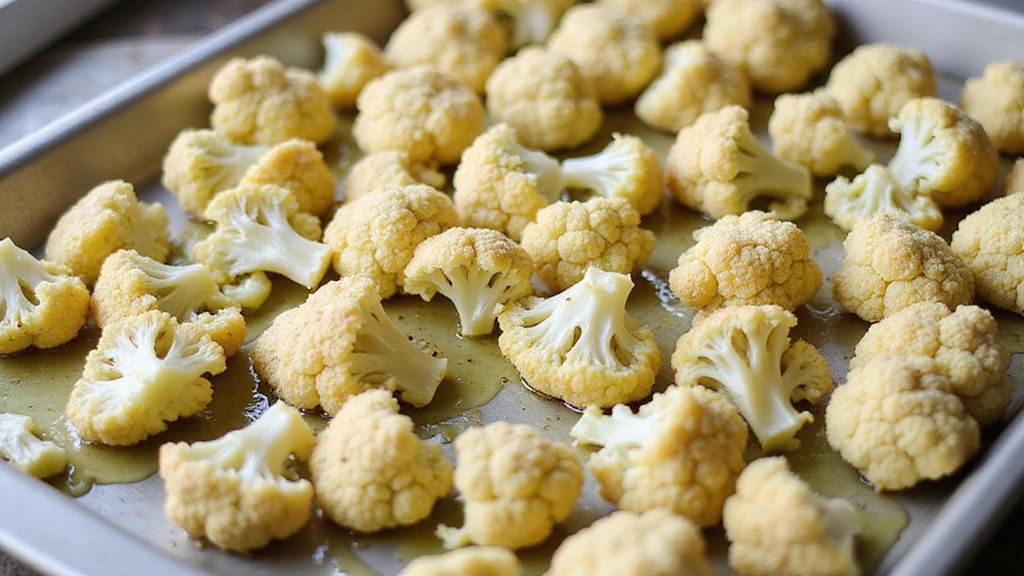
Preheat your oven to 400°F (200°C).
Cut the cauliflower head into small, bite-sized florets.
Ensure florets are evenly sized for consistent cooking.
Toss florets in olive oil and spread on a baking sheet.
Step 2: Roast Cauliflower
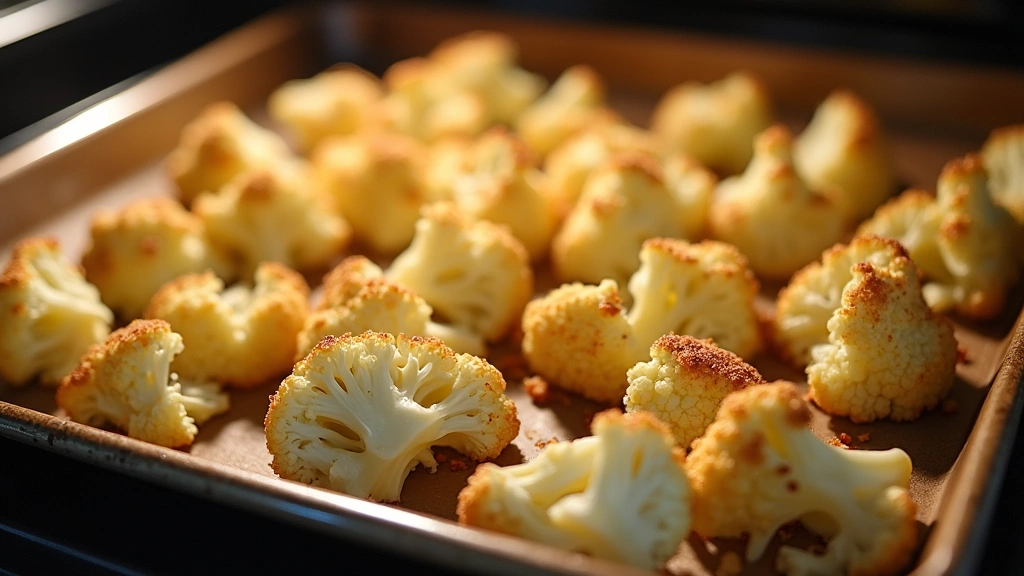
Place the baking sheet in the preheated oven.
Roast for 20 minutes, stirring halfway through.
Look for golden-brown edges on the cauliflower.
Remove from oven and let cool slightly.
Step 3: Prepare Cheese Sauce
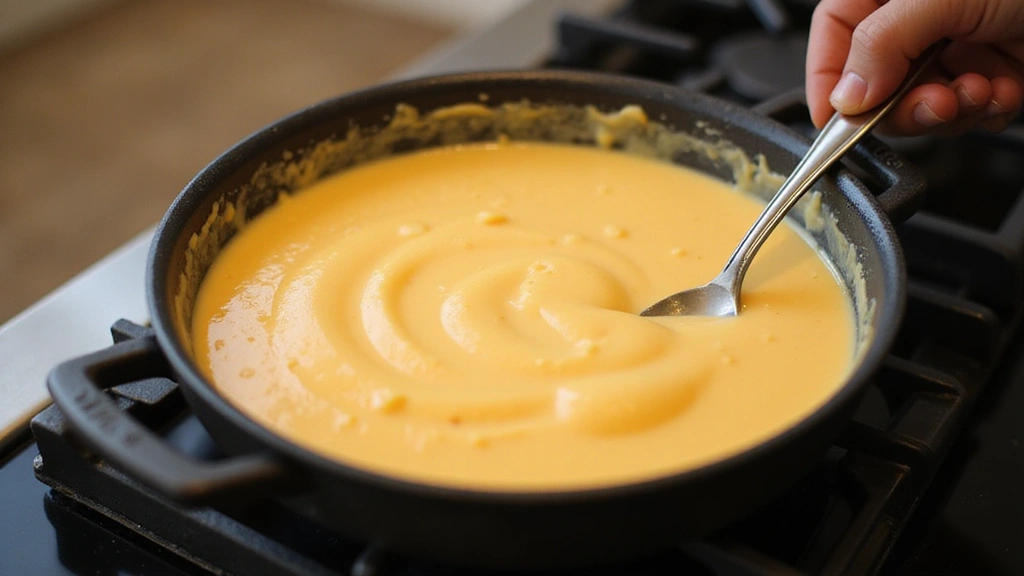
In a saucepan over low heat, combine heavy cream and Dijon mustard.
Slowly add grated cheese while stirring continuously.
Continue stirring until cheese is fully melted and sauce is smooth.
Season with garlic powder, salt, and pepper.
Step 4: Combine Cauliflower and Sauce
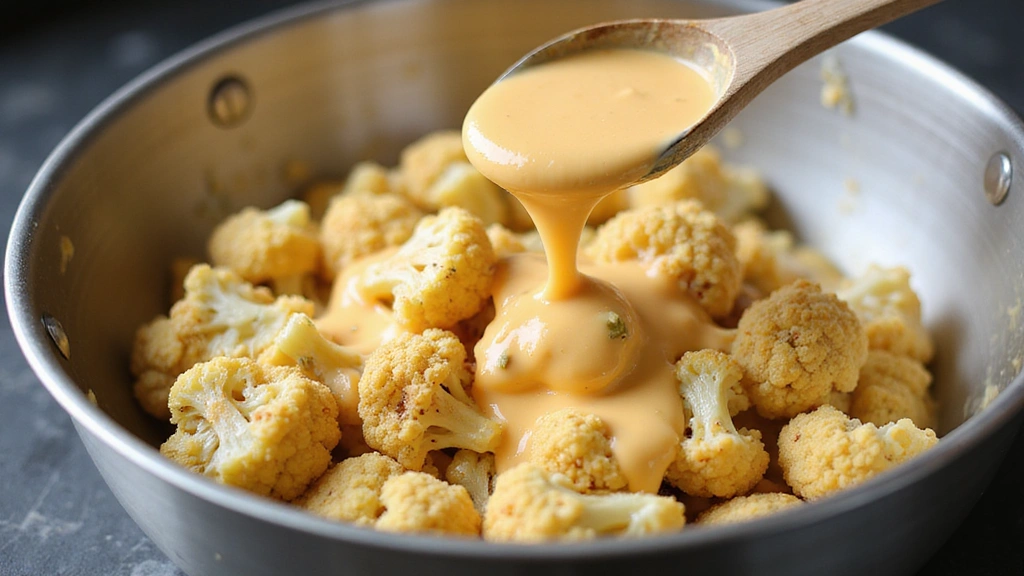
Transfer roasted cauliflower to a large mixing bowl.
Pour the cheese sauce over the cauliflower florets.
Toss gently to coat each floret.
Ensure even coverage with the sauce.
Step 5: Prepare Baking Dish
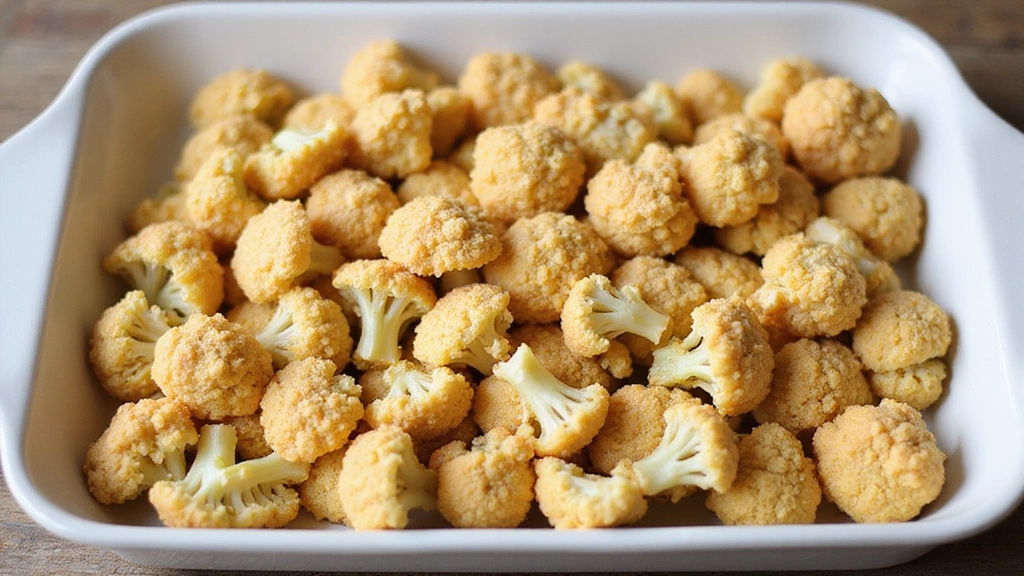
Lightly grease a baking dish with a bit of olive oil or butter.
Transfer the cauliflower mixture into the dish.
Spread it out evenly for consistent baking.
Press down lightly to compact.
Step 6: Add Cheese Topping
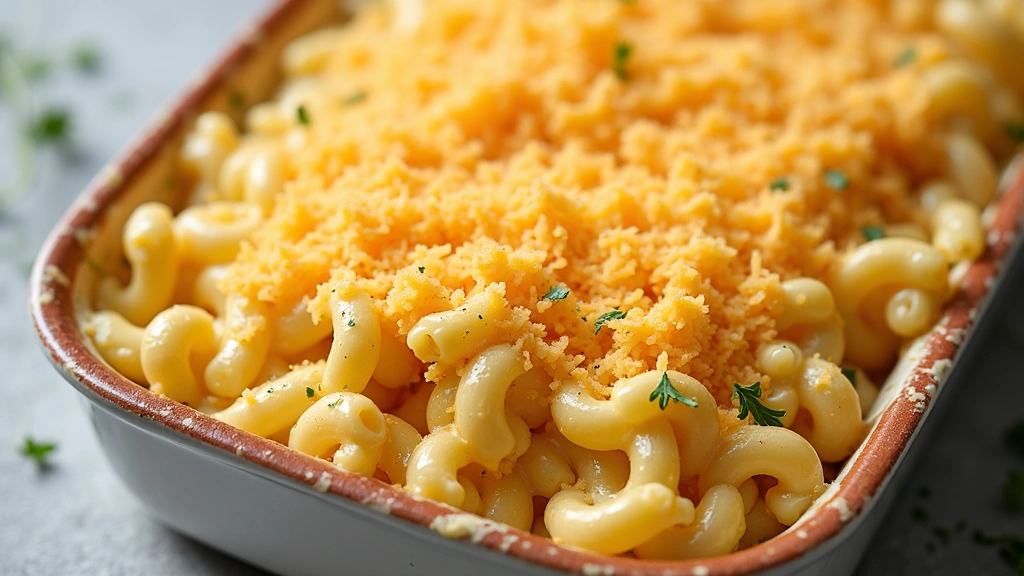
Sprinkle additional grated cheese over the top of the cauliflower.
Ensure a generous and even layer.
This will create a crispy, golden crust.
Avoid clumping for even browning.
Step 7: Bake Dish
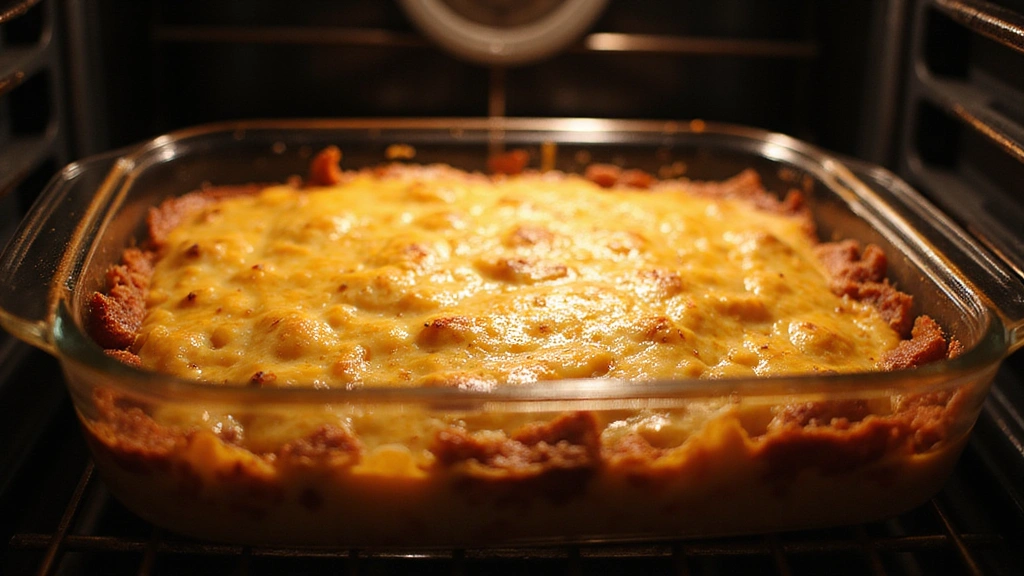
Place the baking dish in the oven at 400°F (200°C).
Bake for 15-20 minutes until the top is golden and bubbly.
Watch carefully to prevent burning the cheese.
Remove from oven when done.
Step 8: Cool and Serve
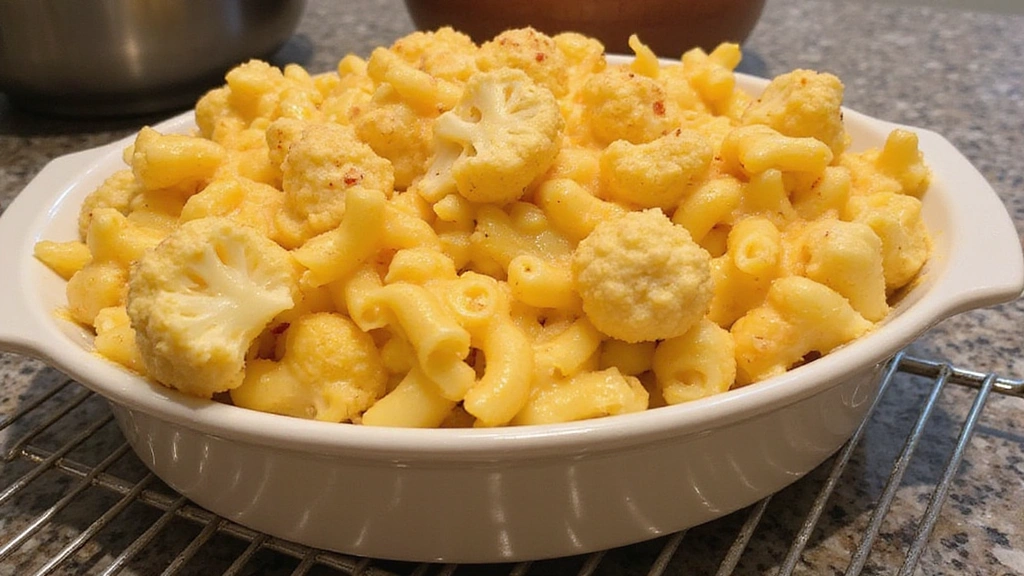
Allow the dish to cool for a few minutes before serving.
This helps the sauce thicken slightly.
Serve warm for the best texture and flavor.
Garnish with fresh herbs if desired.
Critical Timing and Temperature Guide
Roasting Cauliflower: Roast at 400°F (200°C) for 20 minutes, stirring halfway through. Look for golden edges as an indicator of doneness.
Baking Cheese Topping: Bake at 400°F (200°C) for 15-20 minutes until the cheese is golden and bubbly. Avoid over-baking to prevent drying out.
Cheese Sauce Preparation: Heat the sauce gently over low heat, adding cheese gradually. Prevent overheating to avoid separating the cheese.
Pro Tips for Cauliflower Mac and Cheese
• Ingredient Selection: Use a mature, sharp cheddar for a robust cheese flavor that pairs well with the cauliflower.
• Preparation Secret: Pre-roasting the cauliflower intensifies its flavor and prevents the dish from becoming watery.
• Temperature Management: Ensure the oven is fully preheated before roasting and baking to achieve the best texture.
• Texture Enhancement: For a creamier sauce, blend a bit of the cheese sauce with the roasted cauliflower before baking.
• Flavor Layering: Add a pinch of nutmeg to the cheese sauce to enhance the overall flavor complexity.
• Make-Ahead Strategies: Assemble the dish a day in advance and refrigerate, then bake just before serving for maximum freshness.
• Restaurant-Quality Finishing Touches: Sprinkle with finely chopped chives or parsley before serving for a burst of color and freshness.
• Equipment Optimization: If using a food processor to grate cheese, freeze the cheese for 10 minutes beforehand for easier handling.
Troubleshooting Common Issues
• Texture Too Dense: This can occur if cauliflower is not roasted properly. Ensure even roasting for a tender texture.
• Cheese Sauce Separated: Avoid high heat when making the sauce, and add cheese gradually while stirring.
• Soggy Cauliflower: Roast cauliflower in a single layer to prevent steaming.
• Overly Salty: Balance the saltiness by adding a splash of cream or a bit more cauliflower.
• Lack of Flavor: Ensure cheese is sharp and well-matured. Consider adding garlic or onion powder for more depth.
Variations and Regional Differences
• Spicy Variation: Add chopped jalapeños or a dash of hot sauce to the cheese sauce for a spicy kick.
• Italian-Inspired: Incorporate parmesan and mozzarella cheeses, and season with Italian herbs.
• Vegan Version: Use nutritional yeast and a plant-based milk for the sauce, and replace cheese with vegan alternatives.
• Asian Fusion: Infuse the sauce with a touch of soy sauce and ginger for an umami-rich profile.
Food Science Behind the Recipe
• Maillard Reaction: Roasting cauliflower and baking the cheese create complex flavors and a golden crust through the Maillard reaction.
• Emulsification: Cheese sauce requires the emulsification of cheese and cream, achieved by gradual heating and stirring.
• Gelation: Cooling the dish slightly after baking allows the sauce to set, creating a cohesive texture.
Frequently Asked Questions
What's the most common mistake people make when preparing Cauliflower Mac and Cheese? Overcooking the cheese sauce, which can cause it to separate.
Can I use frozen cauliflower? Yes, but ensure it is fully thawed and drained to prevent excess moisture.
How can I make this dish gluten-free? This recipe is naturally gluten-free, as it uses cauliflower instead of pasta.
What's the best way to store leftovers? Store in an airtight container in the refrigerator for up to 3 days.
Can I add protein to this dish? Yes, cooked chicken or bacon can be added for extra protein.
Is it possible to make this dish ahead of time? Yes, prepare and refrigerate, then bake just before serving.
What other cheeses can I use? Gouda, Gruyere, or Monterey Jack can be used for different flavor profiles.
How do I prevent the cheese from clumping? Grate cheese finely and add gradually to the sauce while stirring.
Serving and Presentation Guide
• Traditional Presentation: Serve in a rustic baking dish with a golden-brown crust, directly from the oven to the table.
• Individual Portions: Serve in small ramekins for elegant individual servings.
• Family Style: Present in a large, shallow dish, garnished with fresh herbs for a communal feel.
• Gourmet Touch: Add a sprinkle of truffle oil or freshly grated truffle for an upscale presentation.
Conclusion
Cauliflower Mac and Cheese is a delightful low-carb twist on a classic comfort dish.
Its rich, creamy texture and cheesy flavor will satisfy even the most ardent pasta lovers.
I encourage you to try this recipe and enjoy a healthier version of your favorite comfort food.