

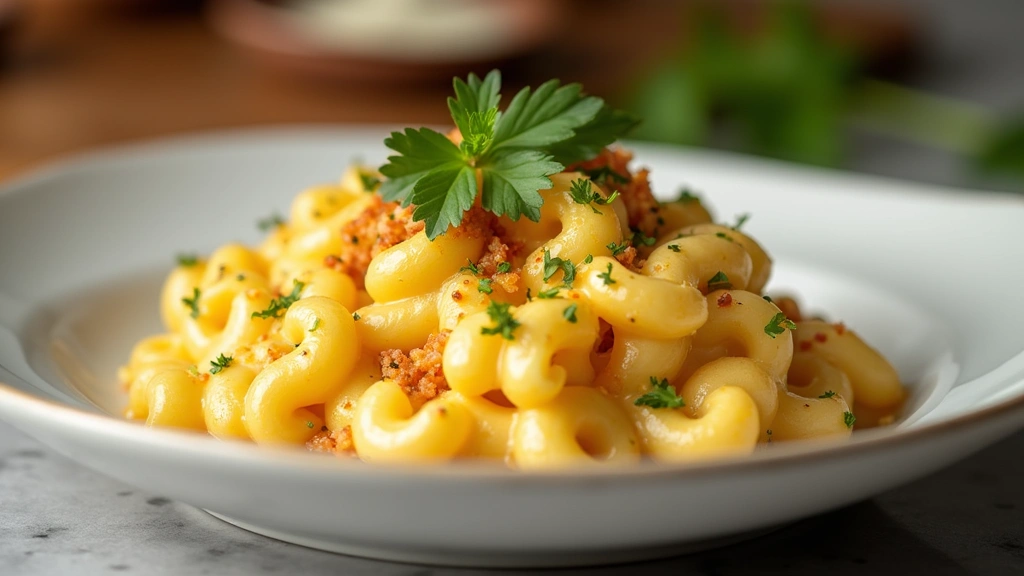
Growing up, a warm, creamy cheese sauce draping over a bowl of tender pasta was the ultimate comfort food.
This cheese sauce for mac and cheese promises a silky consistency and rich flavor that elevates a simple dish into a gourmet experience.
Imagine the smoothness of melted cheese blending with a hint of spice as you savor each bite.
This recipe has been a staple in my family for generations, perfected through countless family gatherings.
Whether you’re a mac and cheese aficionado or a novice looking to impress, this cheese sauce delivers a foolproof result every time.
Dive into the world of creamy, cheesy goodness with this straightforward yet indulgent recipe.
The History and Cultural Significance
• Cheese sauce for mac and cheese traces its origins to 18th-century England, where it was originally created by chefs serving the aristocracy.
• The dish evolved over decades as different cheeses and spices were incorporated, eventually becoming the beloved version we know today.
• In American culture, this dish traditionally appears at family gatherings and holiday celebrations, symbolizing warmth and togetherness.
• While many variations exist across different regions, the authentic version maintains its creamy texture and rich cheesy flavor that sets it apart from imitations.
Recipe Overview
Nutritional Information (per serving)
Essential Equipment Guide
Saucepan: A heavy-bottomed saucepan is crucial for even heat distribution, preventing the cheese from scorching. Look for one with a sturdy handle and a lid.
Whisk: A whisk ensures a smooth, lump-free sauce. Opt for a silicone-coated whisk to protect your saucepan’s surface.
Measuring Cups and Spoons: Precision is key in achieving the perfect balance of ingredients. Use accurate measuring tools to maintain consistency in every batch.
Ingredients
For the Sauce
|
|
| Amount | Ingredient | Notes |
|---|---|---|
| 2 cups | whole milk | provides creaminess |
| 2 tablespoons | butter | adds richness |
| 2 tablespoons | all-purpose flour | thickens the sauce |
| 1 cup | sharp cheddar cheese | grated for easy melting |
| 1 cup | gruyère cheese | grated for depth of flavor |
Seasonings
| Amount | Ingredient | Notes |
|---|---|---|
| 1 teaspoon | mustard powder | enhances flavor |
| 1 pinch | nutmeg | adds warmth |
| 1 teaspoon | salt | balances the flavors |
Preparation Methods
Roux Creation: This technique involves cooking equal parts flour and fat, forming the base for many sauces. It's crucial for thickening without clumping.
Cheese Tempering: Gradually adding cheese off the heat prevents it from curdling, ensuring a smooth, creamy sauce.
Seasoning Balancing: Tasting and adjusting seasonings as the sauce simmers allows for a perfectly balanced flavor profile.
Step 1: Prepare Ingredients
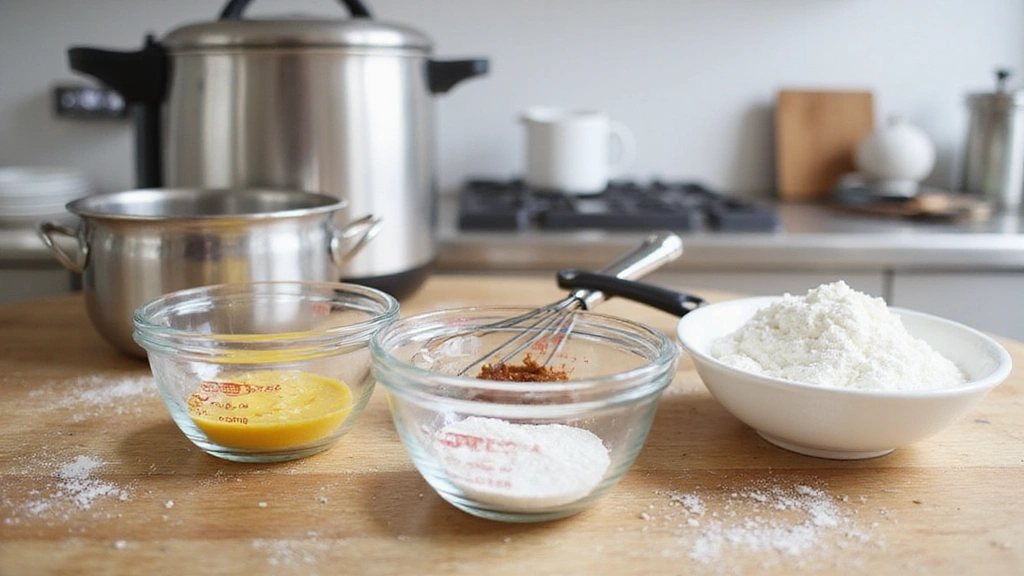
Gather all ingredients and measure them accurately.
Ensure the cheeses are grated and ready to use.
Set out the saucepan and whisk for easy access.
Prepare the workspace by clearing any unnecessary items.
Step 2: Make the Roux
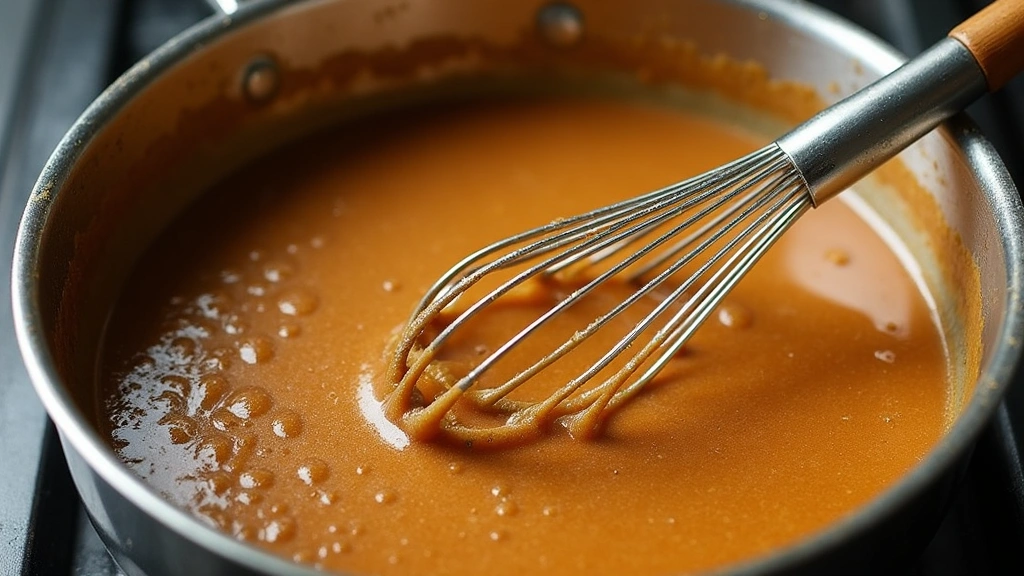
Melt the butter in the saucepan over medium heat.
Add the flour and whisk continuously for about 2 minutes.
Look for the roux to become bubbly and slightly golden.
Avoid letting it brown too much, as this can alter the flavor.
Step 3: Add Milk

Gradually pour in the milk while whisking to prevent lumps.
Continue whisking until the mixture is smooth and thickened.
The sauce should coat the back of a spoon.
Maintain a medium heat to avoid scorching the milk.
Step 4: Incorporate Cheeses
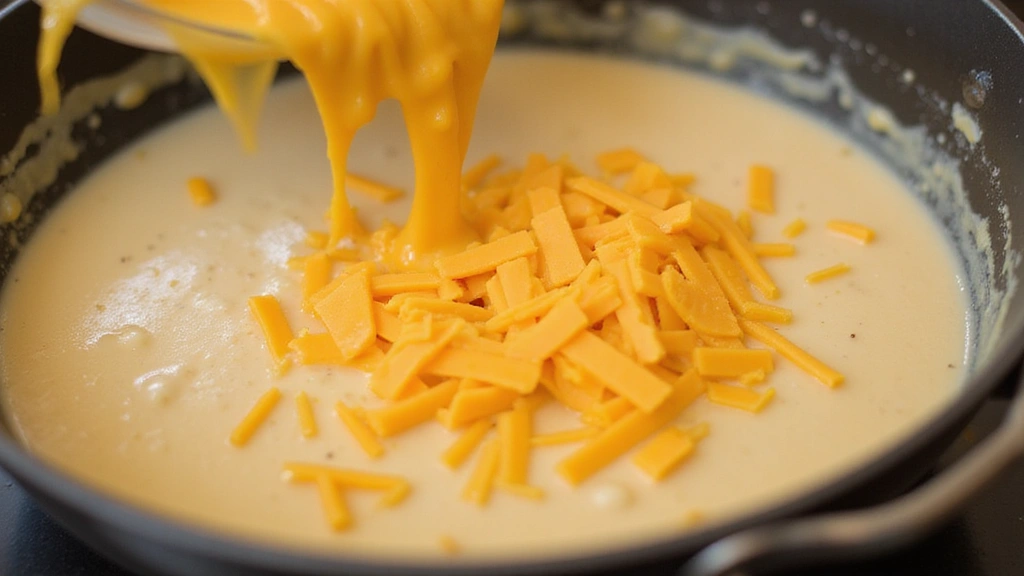
Remove the saucepan from heat.
Add cheddar and gruyère cheese, a handful at a time, stirring until completely melted.
Ensure the cheese is fully incorporated before adding more.
This gradual addition prevents the sauce from becoming grainy.
Step 5: Season the Sauce

Add mustard powder, nutmeg, and salt to the sauce.
Stir well to incorporate the seasonings evenly.
Taste and adjust seasoning as preferred.
A balanced flavor profile should be savory with a hint of warmth.
Step 6: Simmer the Sauce
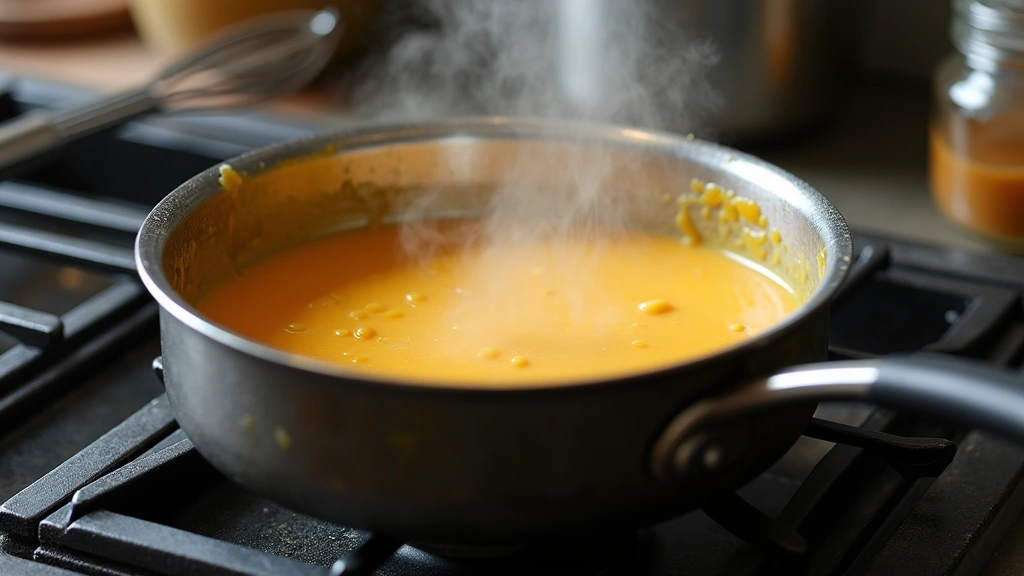
Place the saucepan back on low heat.
Let the sauce simmer gently for 2-3 minutes.
Stir occasionally to ensure even heat distribution.
A gentle simmer helps meld flavors without over-thickening.
Step 7: Final Adjustments
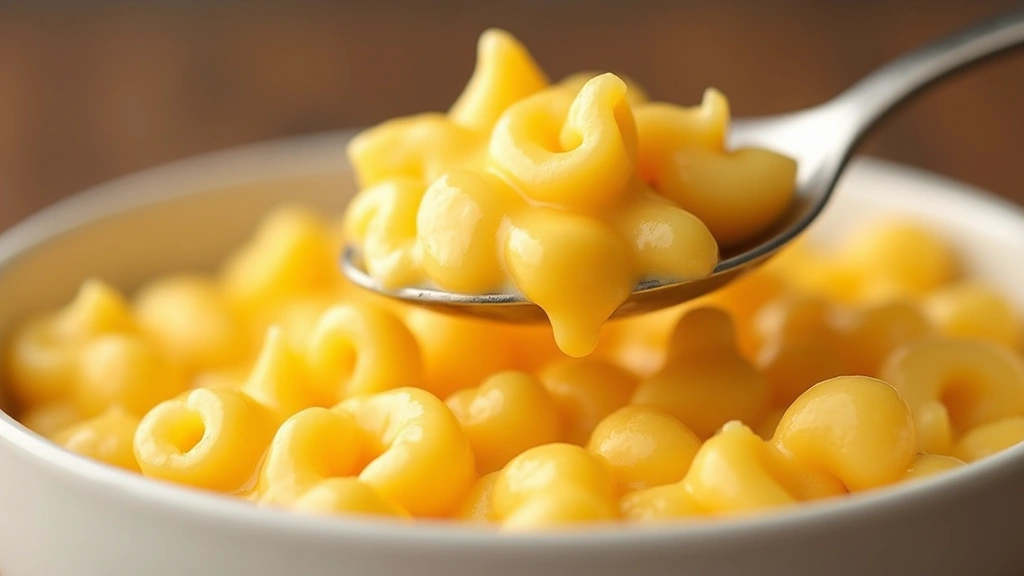
Check the sauce's consistency and flavor one last time.
Adjust with a splash of milk if too thick, or more salt if needed.
The sauce should be smooth and pourable.
Ensure it has a creamy texture that coats the pasta well.
Step 8: Serve

Pour the cheese sauce over cooked pasta of your choice.
Toss gently to coat evenly.
Serve immediately for the best texture and flavor.
Enjoy the creamy, cheesy delight that is perfect mac and cheese.
Critical Timing and Temperature Guide
Milk Integration: Add milk slowly over medium heat, whisking continuously to prevent lumps. Avoid boiling to maintain a smooth texture.
Cheese Melting: Incorporate cheese off the heat and stir until melted. If cheese is added too quickly or on high heat, it can become grainy.
Simmering: Let the sauce simmer on low for 2-3 minutes to meld flavors. Over-simmering can lead to a thick, clumpy sauce.
Pro Tips for Cheese Sauce for Mac and Cheese
• Ingredient Selection: Choose high-quality, aged cheeses for depth of flavor and smooth melting properties.
• Preparation Secret: Toast the flour slightly in the roux for a nuttier undertone that enhances the sauce's complexity.
• Temperature Management: Keep the heat medium to low to avoid separating or burning the cheese.
• Texture Enhancement: Whisk constantly during milk and cheese addition to maintain a velvety texture.
• Flavor Layering: Use a combination of sharp cheddar and gruyère for a balance of tangy and nutty notes.
• Make-Ahead Strategies: Prepare the sauce up to a day in advance and store in an airtight container in the refrigerator.
• Restaurant-Quality Finishing Touches: Sprinkle a bit of smoked paprika on top before serving for a professional touch.
• Equipment Optimization: Use a silicone-coated whisk to ensure gentle mixing and protect your cookware.
Troubleshooting Common Issues
• Sauce Too Thick: Gradually add more milk while whisking until desired consistency is achieved.
• Sauce Grainy: Ensure cheese is added off the heat and melted slowly; reheat gently if necessary.
• Flavors Unbalanced: Adjust seasonings such as salt and mustard powder after tasting.
• Cheese Not Melting: Use freshly grated cheese and avoid pre-shredded varieties that contain anti-caking agents.
• Sauce Separating: Maintain low heat once cheese is added and whisk continuously to emulsify.
Variations and Regional Differences
• Southern Style: Includes a touch of hot sauce and evaporated milk for added creaminess and spice, often baked with a breadcrumb topping.
• Italian Style: Uses a blend of Parmigiano-Reggiano and mozzarella for a savory twist with a gooey finish.
• French Style: Integrates a béchamel base with gruyère and Emmental cheese, offering a sophisticated flavor profile.
• Vegan Variation: Utilizes cashew cream and nutritional yeast for a plant-based alternative with a cheesy flavor.
Food Science Behind the Recipe
• Emulsification: The process of combining fats with water-based liquids to create a stable, creamy sauce.
• Roux Thickening: The interaction of flour starches with butter fat allows for a smooth, thickened sauce without clumps.
• Protein Coagulation: Understanding the melting point of cheese proteins helps prevent curdling and achieves a smooth texture.
Frequently Asked Questions
What's the most common mistake people make when preparing cheese sauce for mac and cheese? Overheating the sauce, which can cause the cheese to separate and become grainy.
Can I use pre-shredded cheese? Pre-shredded cheese often contains anti-caking agents that can affect the sauce's texture, so freshly grated is preferable.
How can I make the sauce spicier? Add a pinch of cayenne pepper or a few dashes of hot sauce for an extra kick.
Is it possible to make this sauce gluten-free? Yes, substitute all-purpose flour with cornstarch or a gluten-free flour blend to thicken the sauce.
How do I store leftover cheese sauce? Store in an airtight container in the refrigerator for up to 3 days. Reheat gently to avoid separation.
Can I freeze the cheese sauce? Freezing may alter the texture, but it can be done. Thaw in the refrigerator and reheat slowly.
How do I prevent the sauce from forming a skin? Cover the surface with plastic wrap or a lid while it cools to prevent air exposure.
Serving and Presentation Guide
• Traditional Presentation: Serve in a large, shallow dish with a sprinkle of paprika and freshly cracked black pepper.
• Family Style: Present in a large casserole dish, allowing guests to serve themselves at the table.
• Individual Portions: Use ramekins for personal servings, topped with a breadcrumb crust for added texture.
• Elegant Plating: Pair with a side salad and crusty bread on a large, white plate for a balanced meal presentation.
Conclusion
With this recipe, you're equipped to create a cheese sauce for mac and cheese that's perfect every time.
From the science behind the sauce to the final presentation, every detail has been considered.
Whether you're cooking for family or friends, this dish is sure to impress and satisfy.
So gather your ingredients and tools, and enjoy the comforting, cheesy goodness of homemade mac and cheese.