

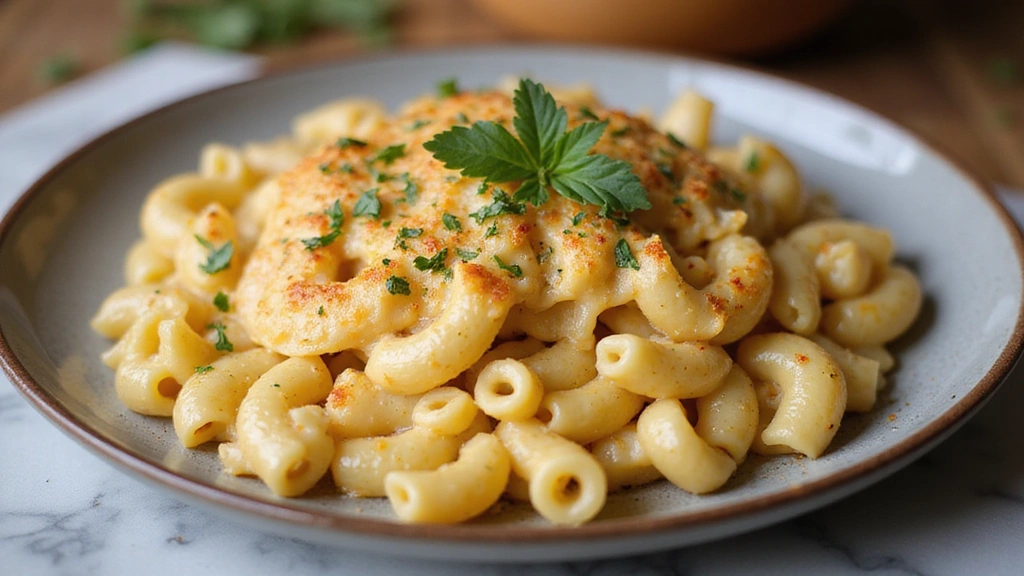
Comfort food is a universal language, and Chicken Mac and Cheese speaks it fluently.
With its creamy, cheesy sauce and tender chicken, this dish is the epitome of indulgence.
I first discovered this delightful combination on a chilly autumn day, and it instantly became a household favorite.
The savory blend of flavors is perfect for a cozy dinner or a weekend treat.
Whether you’re feeding a family or hosting friends, this recipe is sure to satisfy everyone’s craving for warmth and richness.
The History and Cultural Significance
• Chicken Mac and Cheese traces its origins to the southern United States, where it was originally created by home cooks seeking hearty, inexpensive meals.
• The dish evolved over decades as pasta and cheese became more accessible, eventually becoming the beloved version we know today.
• In American culture, this dish traditionally appears at potlucks and family gatherings, symbolizing comfort and togetherness.
• While many variations exist across different regions, the authentic version maintains a creamy, baked texture that sets it apart from imitations.
Recipe Overview
Nutritional Information (per serving)
Essential Equipment Guide
Large Pot: Necessary for cooking the pasta evenly. A deep pot allows for ample water circulation, preventing pasta from sticking. Alternatives include a high-sided sauté pan.
Oven-Safe Baking Dish: Important for baking and achieving a golden crust. Look for a dish that distributes heat evenly, such as ceramic or glass. Avoid using metal pans as they can cook unevenly.
Whisk: Essential for creating a smooth cheese sauce. A whisk helps blend ingredients without clumping. Silicone whisks are ideal for non-stick surfaces, preventing scratches.
Ingredients
For the Pasta
|
|
| Amount | Ingredient | Notes |
|---|---|---|
| 12 ounces | elbow macaroni | cooked al dente |
For the Chicken
| Amount | Ingredient | Notes |
|---|---|---|
| 2 cups | cooked chicken breast | diced into bite-sized pieces |
For the Sauce
| Amount | Ingredient | Notes |
|---|---|---|
| 3 tablespoons | butter | adds richness |
| 3 tablespoons | flour | for thickening |
| 2 cups | milk | preferably whole, for creaminess |
| 2 cups | cheddar cheese | shredded, sharp for flavor |
Seasonings
| Amount | Ingredient | Notes |
|---|---|---|
| 1 teaspoon | salt | enhances flavor |
| 1 teaspoon | black pepper | freshly ground |
| 1/2 teaspoon | paprika | for a hint of spice |
Preparation Methods
Roux Preparation: The roux is the base for the cheese sauce. Cook butter and flour together until they form a paste, which thickens the sauce. Stir constantly to avoid browning.
Tempering: Slowly adding hot milk to the roux prevents lumps. Gradually whisk in the milk, allowing the mixture to thicken smoothly. This step is crucial for a creamy texture.
Baking with Cheese: Baking allows the cheese to melt evenly and creates a crust. Ensure the oven is preheated to achieve a consistent bake. Monitor closely to avoid burning the top layer.
Step 1: Prepare Ingredients
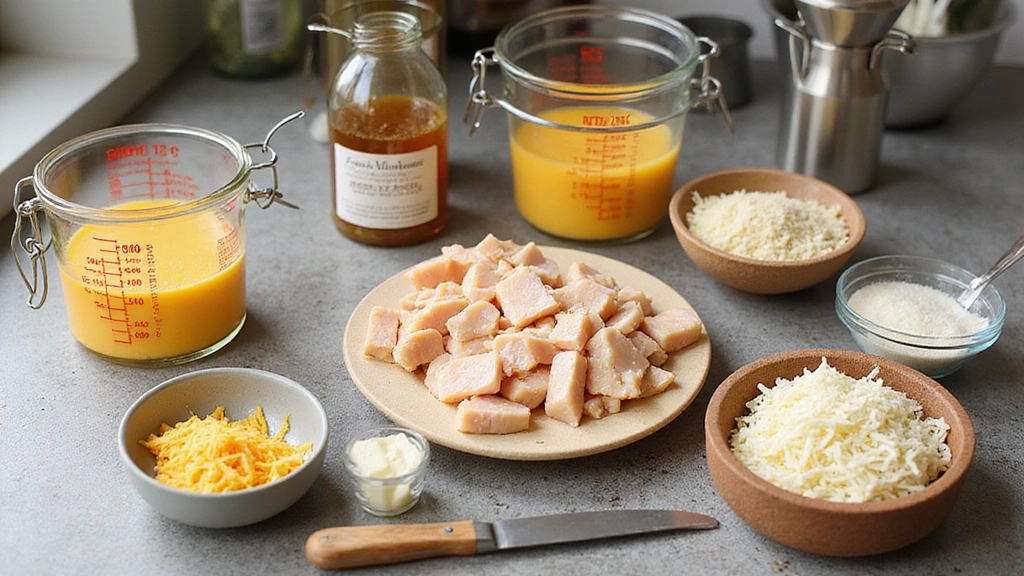
Gather all ingredients and equipment needed for the recipe.
Measure each ingredient accurately to ensure a balanced flavor.
Pre-cook the chicken breast and dice it into bite-sized pieces.
Shred the cheddar cheese for easier melting.
Step 2: Cook the Pasta

Bring a large pot of salted water to a boil.
Add the elbow macaroni and cook until al dente, about 8 minutes.
Drain the pasta and set aside, reserving a bit of pasta water.
Do not rinse the pasta to retain its starchiness for better sauce adherence.
Step 3: Make the Roux
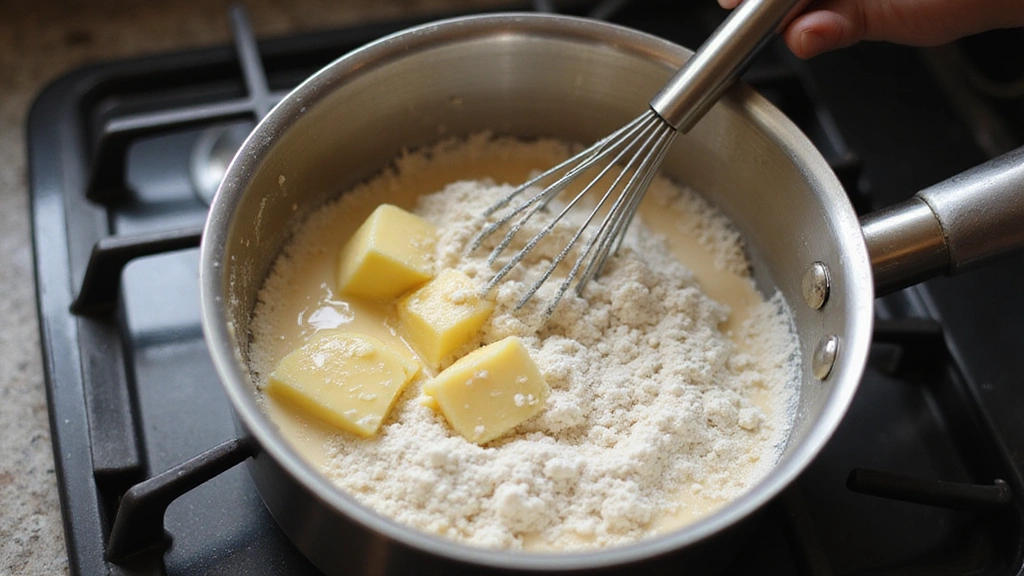
In a saucepan, melt butter over medium heat.
Add flour and whisk continuously until a paste forms.
Cook the roux for about 2 minutes without browning.
The roux should be smooth and free of lumps.
Step 4: Prepare the Cheese Sauce
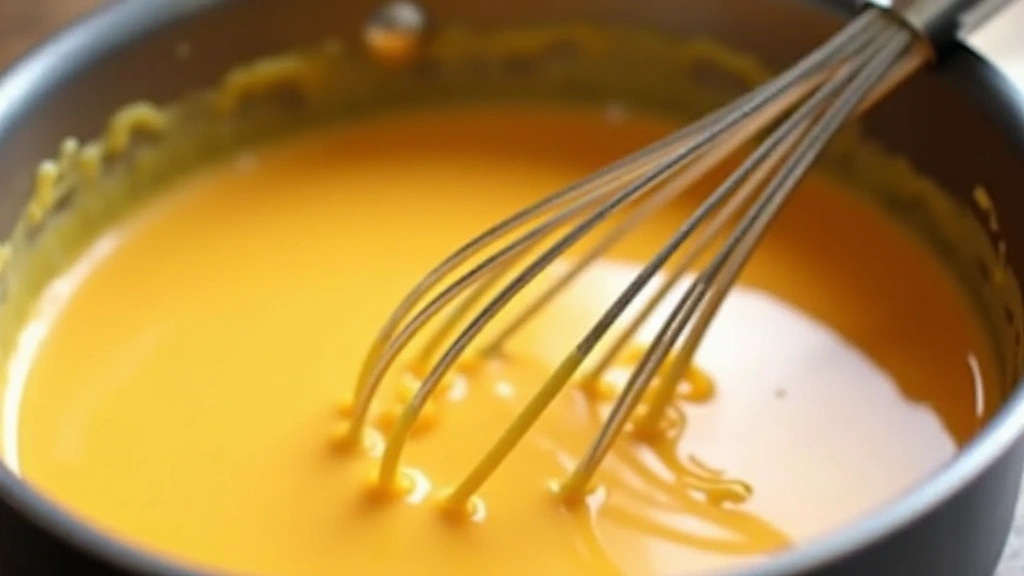
Gradually add milk to the roux, whisking constantly.
Allow the mixture to thicken slightly before adding more milk.
Once all milk is incorporated, add salt, pepper, and paprika.
Add shredded cheddar cheese, stirring until fully melted and smooth.
Step 5: Combine Pasta and Sauce
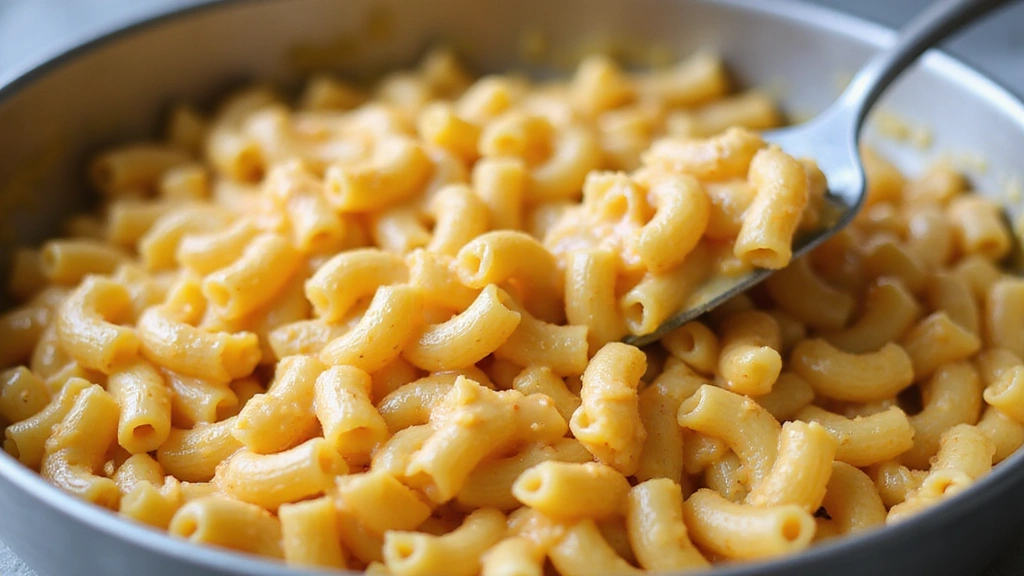
In a large mixing bowl, combine cooked macaroni and cheese sauce.
Use a spatula to fold the sauce into the pasta gently.
Ensure all pasta is evenly coated with the sauce.
Add reserved pasta water if needed for a silkier consistency.
Step 6: Add Chicken
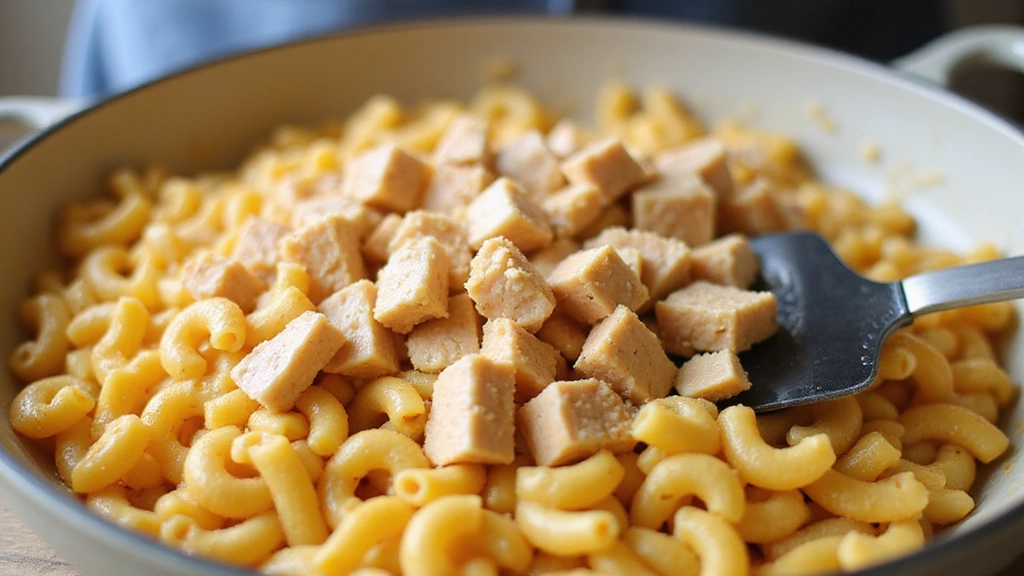
Fold diced chicken into the macaroni and cheese mixture.
Distribute chicken evenly throughout the dish.
Check for seasoning and adjust salt and pepper if necessary.
Ensure chicken pieces are coated with cheese sauce for maximum flavor.
Step 7: Transfer to Baking Dish
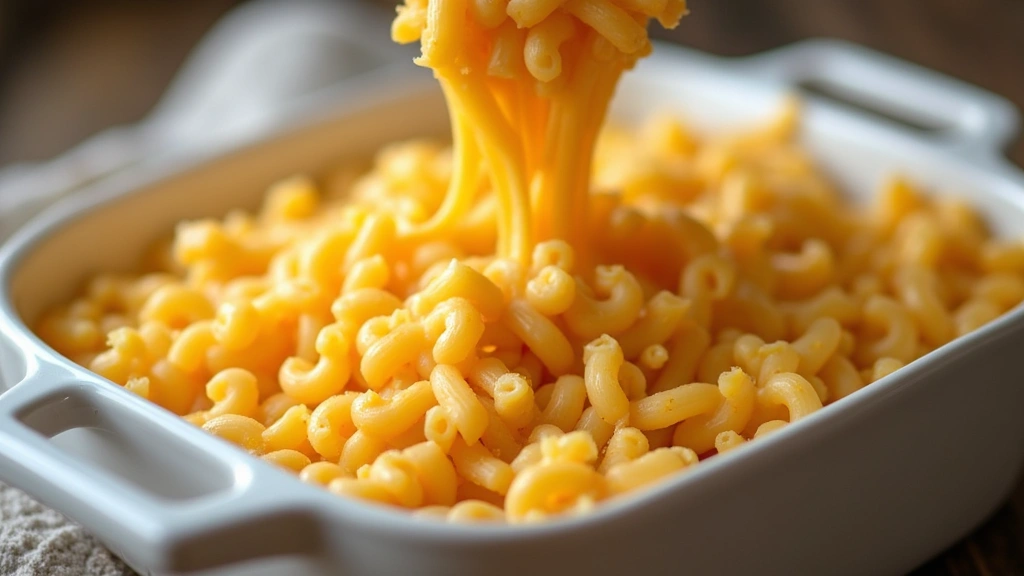
Preheat the oven to 350°F (175°C).
Grease an oven-safe baking dish with butter or oil.
Pour the macaroni mixture into the dish, spreading evenly.
Tap the dish gently to settle the mixture and remove air pockets.
Step 8: Bake
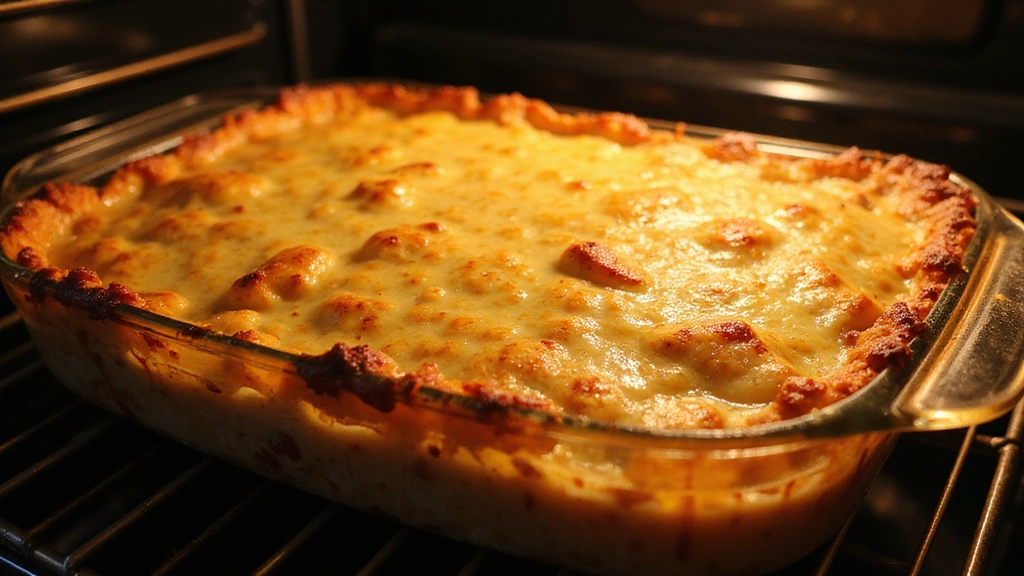
Place the baking dish in the preheated oven.
Bake for 20 minutes or until the top is golden and bubbling.
Check periodically to ensure even browning.
Remove from the oven and allow to cool slightly before serving.
Critical Timing and Temperature Guide
Roux Cooking: Cook roux for exactly 2 minutes over medium heat. Look for a smooth, paste-like consistency without browning. Avoid high heat to prevent burning.
Pasta Boiling: Boil pasta for 8 minutes to achieve al dente texture. Check by tasting a piece; it should be firm yet cooked through. Overcooked pasta will become mushy.
Baking: Bake at 350°F for 20 minutes. The top should be golden brown and bubbling. Avoid over-baking, which can dry out the dish.
Pro Tips for Chicken Mac and Cheese
• Ingredient Selection: Choose high-quality cheddar for a rich, sharp flavor. Freshly shredded cheese melts better than pre-packaged varieties.
• Preparation Secret: Adding a bit of reserved pasta water to the cheese sauce enhances creaminess and helps the sauce adhere to the pasta.
• Temperature Management: Ensure all dairy ingredients are at room temperature before adding to prevent curdling.
• Texture Enhancement: Undercook the pasta slightly before baking to avoid mushiness, as it will continue to cook in the oven.
• Flavor Layering: Sauté a bit of garlic in the butter before making the roux for a subtle depth of flavor.
• Make-Ahead Strategies: Prepare the dish up to the baking step and refrigerate overnight. Bake just before serving for fresh results.
• Restaurant-Quality Finishing Touches: Sprinkle breadcrumbs mixed with parmesan on top before baking for a crunchy crust.
• Equipment Optimization: Use a microplane to grate cheese finely, which helps it melt quickly and evenly.
Troubleshooting Common Issues
• Cheese Sauce Too Lumpy: This is often due to adding milk too quickly. Whisk slowly and steadily to incorporate milk gradually, preventing lumps. If lumps occur, strain the sauce before adding cheese.
• Dry Mac and Cheese: Over-baking is a common culprit. Ensure the baking time is followed precisely and watch for the top to just become golden.
• Uneven Cheese Melting: Use freshly grated cheese to avoid additives that prevent melting. Stir cheese in small amounts to ensure even distribution.
• Chicken Too Dry: Use pre-cooked chicken that retains moisture, such as poached or rotisserie. Avoid overcooking the chicken before adding it to the dish.
• Pasta Too Mushy: Undercook pasta slightly before combining with the sauce. Remember, it will cook further in the oven.
• Flavor Lacks Depth: Ensure seasoning is adjusted before baking. Consider additional spices like mustard powder or nutmeg for flavor complexity.
Variations and Regional Differences
• Southern Style: This variation often includes a topping of crushed crackers or breadcrumbs for added texture, and sometimes incorporates bacon or ham for extra savoriness.
• Italian-Inspired Version: Uses mozzarella and parmesan cheeses in place of cheddar, and may include herbs like basil and oregano for a Mediterranean flair.
• Mexican Twist: Incorporates pepper jack cheese and adds jalapenos or chorizo for a spicy, smoky flavor profile.
• Vegetarian Option: Substitute chicken with grilled vegetables like zucchini or mushrooms, and add a layer of spinach for a nutritious touch.
Food Science Behind the Recipe
• Emulsification: The process of combining cheese with a liquid to create a smooth sauce. Understanding the balance of fats and proteins prevents separation and ensures a creamy result.
• Maillard Reaction: The browning on top of the dish during baking enhances flavor through this chemical reaction, which occurs between amino acids and reducing sugars.
• Starch Gelatinization: Occurs when pasta is cooked and then baked, allowing it to absorb flavors from the sauce, which thickens as it cools.
Frequently Asked Questions
What's the most common mistake people make when preparing Chicken Mac and Cheese? The most common mistake is overcooking the pasta or baking the dish too long, which results in a dry texture.
Can I use different types of cheese? Absolutely, experimenting with different cheeses like gouda or fontina can add unique flavors and textures.
How do I prevent the cheese sauce from curdling? Ensure all ingredients are at room temperature and add the cheese slowly while stirring continuously.
Is it possible to make this dish gluten-free? Yes, substitute the pasta with a gluten-free variety and use a gluten-free flour for the roux.
How can I add more vegetables to this dish? Stir in steamed broccoli or frozen peas before baking for added nutrition and color.
What's the best way to reheat leftovers? Reheat in a low oven covered with foil to prevent drying out, or microwave in small portions with a splash of milk to revive creaminess.
Can I freeze Chicken Mac and Cheese? Yes, it's best to freeze before baking. Thaw in the fridge overnight and bake until heated through.
Serving and Presentation Guide
• Traditional Presentation: Serve in the baking dish directly at the table for a family-style meal, allowing guests to help themselves.
• Individual Portions: Use ramekins for baking individual servings, which can be served directly on plates for an elegant presentation.
• Garnished with Fresh Herbs: Sprinkle chopped parsley or chives on top before serving for a pop of color and freshness.
• Accompanied by a Salad: Present alongside a crisp green salad with vinaigrette for a balanced meal.
Conclusion
Chicken Mac and Cheese is more than just a meal; it's a culinary hug that brings warmth to any table.
With its rich flavors and comforting textures, it's a dish that invites you to savor every bite.
I hope you'll find as much joy in preparing and sharing this recipe as I have.
Give it a try and experience the delightful harmony of flavors for yourself.