

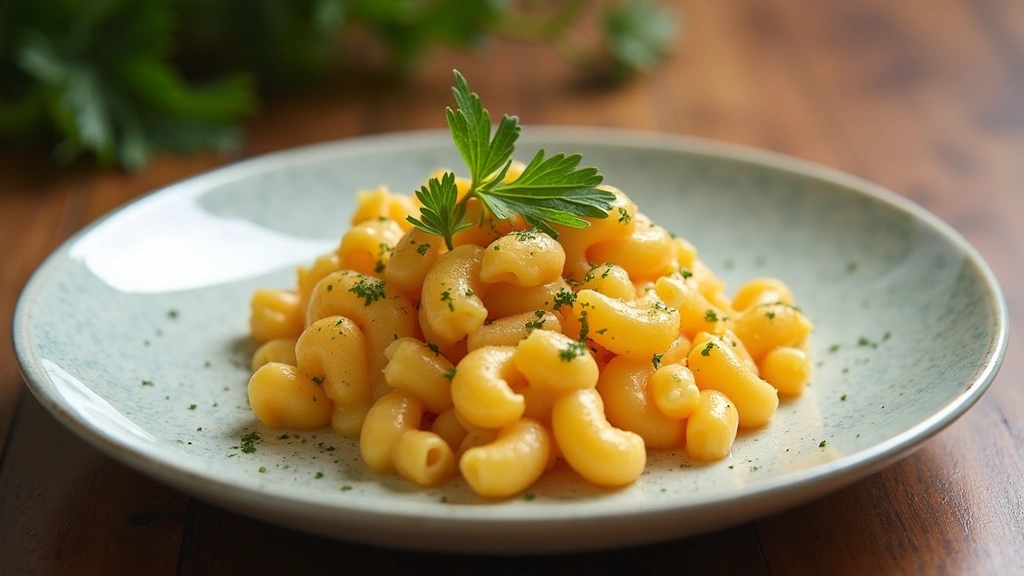
There’s something undeniably comforting about a bowl of creamy, cheesy macaroni and cheese.
The rich, velvety sauce enveloping each tender noodle can turn any meal into a celebration.
I first fell in love with this Crock Pot Mac and Cheese during a chilly autumn evening, when its warmth was a welcome embrace.
The slow cooker method allows the flavors to meld beautifully, creating a dish that’s both simple and deeply satisfying.
Whether you’re serving it as a hearty side or a main attraction, this recipe is all about ease and enjoyment.
The History and Cultural Significance
• Crock Pot Mac traces its origins to the mid-20th century in the United States, where it was originally created by home cooks looking for convenience.
• The dish evolved over decades as cheese varieties and pasta shapes diversified, eventually becoming the beloved version we know today.
• In American culture, this dish traditionally appears at family gatherings and potlucks, symbolizing comfort and togetherness.
• While many variations exist across different regions, the authentic version maintains a creamy texture and cheesy flavor that sets it apart from imitations.
Recipe Overview
Nutritional Information (per serving)
Essential Equipment Guide
Crock Pot: Essential for achieving the slow-cooked, creamy texture that defines this dish. Alternatives include a Dutch oven for stovetop slow cooking. Look for a model with a warm setting to keep the dish at the perfect serving temperature.
Cheese Grater: Freshly grated cheese melts more smoothly than pre-shredded varieties. A box grater or food processor with a grating attachment will work well. Ensure the grater is sharp for ease of use.
Mixing Bowls: Necessary for combining ingredients before adding them to the Crock Pot. Nested sets can save space, and non-slip bases offer added stability.
Ingredients
For the Base
|
|
| Amount | Ingredient | Notes |
|---|---|---|
| 16 ounces | elbow macaroni | uncooked |
| 4 cups | shredded cheddar cheese | sharp, adds rich flavor |
For the Sauce
| Amount | Ingredient | Notes |
|---|---|---|
| 2 cups | milk | whole, for creaminess |
| 1 cup | evaporated milk | enhances thickness |
Seasonings
| Amount | Ingredient | Notes |
|---|---|---|
| 1 teaspoon | salt | enhances flavor |
| 1 teaspoon | black pepper | adds subtle heat |
Preparation Methods
Layering Ingredients: Layering ensures even cooking and cheese distribution. Begin with a layer of uncooked pasta, followed by cheese and sauce. Repeat until all ingredients are used.
Cheese Melting: Proper melting is key to a smooth sauce. Ensure cheese is at room temperature before adding to prevent clumping and encourage even melting.
Temperature Control: Maintaining a consistent low temperature in the Crock Pot prevents the cheese from becoming grainy. Use the low setting and avoid frequent lid opening.
Step 1: Prepare Ingredients
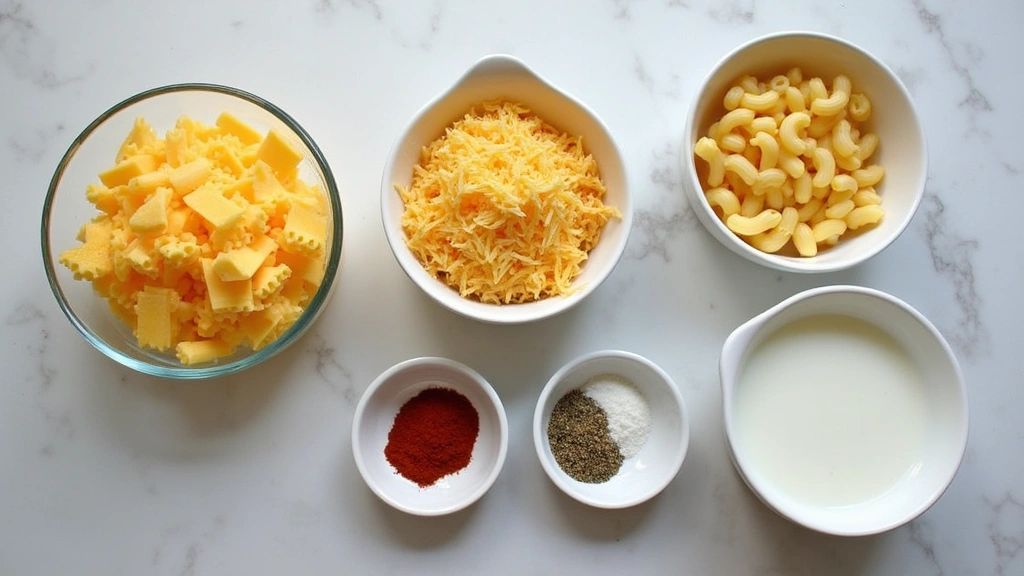
Measure and gather all ingredients.
Ensure cheese is freshly grated.
Check that pasta is uncooked and dry.
Set aside each ingredient in separate bowls for easy access.
Step 2: Layer Ingredients

Begin by layering half of the uncooked macaroni in the bottom of the Crock Pot.
Add a layer of cheese over the pasta.
Pour a portion of the milk mixture over the cheese.
Repeat layers until all ingredients are used.
Step 3: Add Seasonings
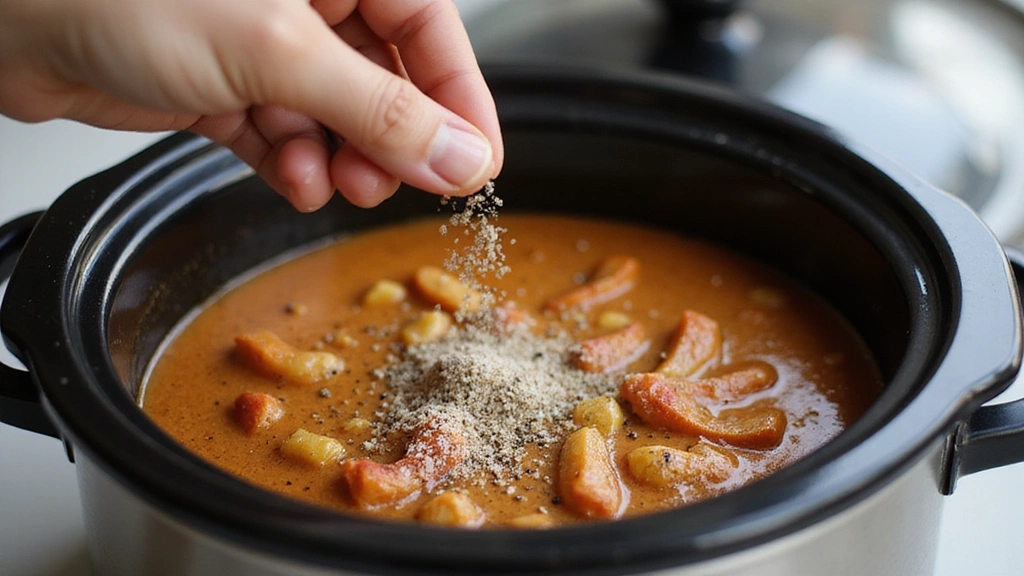
Sprinkle salt and pepper evenly over the top layer.
Ensure the seasonings are distributed for balanced flavor.
Gently stir the top layer to incorporate.
Cover with the Crock Pot lid.
Step 4: Set the Crock Pot
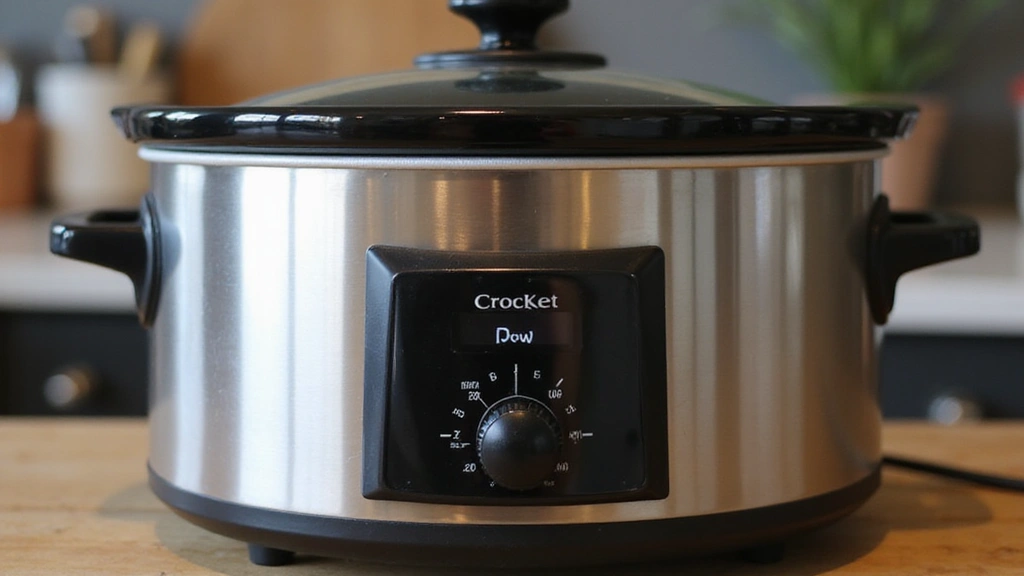
Set the Crock Pot to the low setting for slow cooking.
Ensure the lid is securely in place.
Program the timer for 3 hours.
Avoid lifting the lid during cooking to maintain even temperature.
Step 5: Stir Occasionally
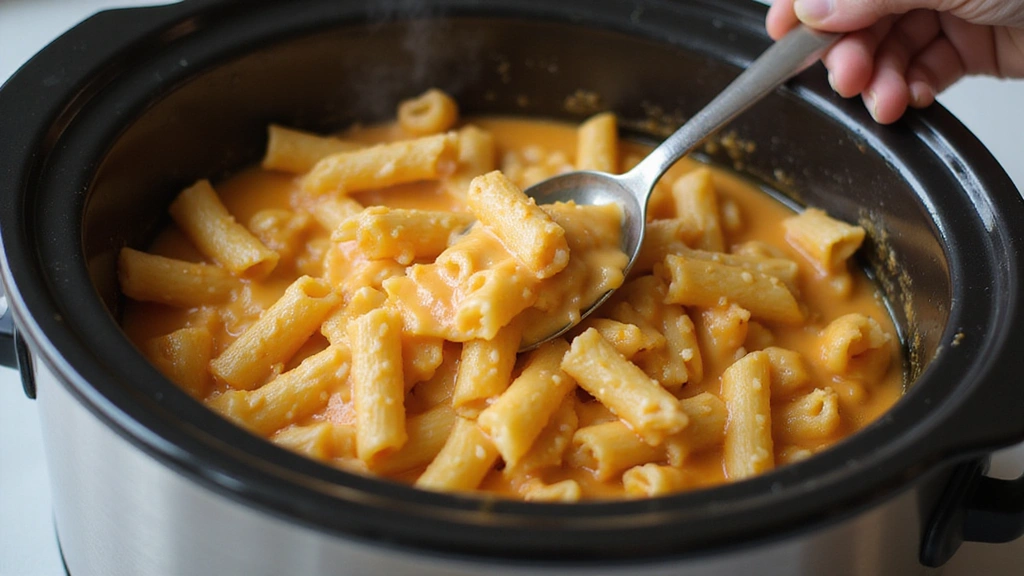
After the first hour, gently stir the ingredients.
Ensure cheese is melting evenly.
Check for any unmixed ingredients.
Replace the lid promptly to retain heat.
Step 6: Check for Doneness

After 3 hours, check the pasta for tenderness.
Ensure the cheese is fully melted and creamy.
Taste for seasoning adjustments if needed.
If not fully done, continue cooking for an additional 30 minutes.
Step 7: Serve and Enjoy
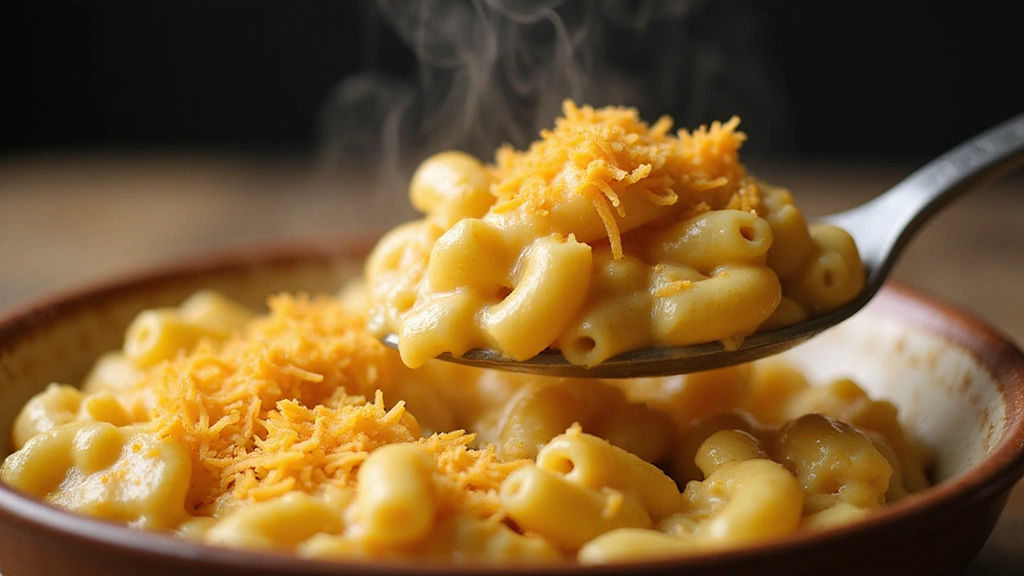
Turn off the Crock Pot and allow it to cool slightly.
Spoon the mac and cheese into serving bowls.
Garnish with additional cheese or herbs if desired.
Serve immediately for best flavor.
Critical Timing and Temperature Guide
Initial Cooking: Cook on low for 3 hours. Look for evenly melted cheese and tender pasta. Avoid opening the lid frequently, which can lower temperature and affect cooking time.
Stirring: Stir after the first hour to ensure even cooking. Ensure cheese is not clumping and pasta is submerged in sauce. Avoid stirring too vigorously to prevent breaking the pasta.
Doneness Check: Check pasta texture at 3 hours. If still firm, cook in additional 30-minute increments. Do not overcook, as this can lead to mushy pasta.
Pro Tips for Crock Pot Mac
• Ingredient Selection: Choose sharp cheddar for a rich flavor. Quality cheese makes a significant difference in taste.
• Preparation Secret: Pre-grate cheese and let it come to room temperature for smoother melting.
• Temperature Management: Use the low setting to prevent cheese from becoming grainy. Avoid high settings.
• Texture Enhancement: Stir gently to maintain pasta integrity and prevent breaking.
• Flavor Layering: Layer cheese between pasta layers to ensure even distribution and maximum flavor with each bite.
• Make-Ahead Strategies: Prepare all ingredients ahead of time and store them separately in the fridge. Combine and cook within 24 hours.
• Restaurant-Quality Finishing Touches: Top with a sprinkle of breadcrumbs and broil if desired for a crispy finish.
• Equipment Optimization: Use a Crock Pot with a timer feature for precise cooking time management.
Troubleshooting Common Issues
• Texture Too Dense: Overcooked pasta can lead to dense textures. Check pasta doneness earlier and adjust time accordingly.
• Flavors Unbalanced: If too salty, add a splash of milk to mellow the flavors. Adjust seasoning gradually.
• Cheese Not Melting: Ensure cheese is freshly grated and at room temperature. Stir gently during cooking.
• Pasta Undercooked: Increase cooking time in 30-minute increments until desired texture is achieved.
• Grainy Sauce: Result of high heat or pre-shredded cheese. Use low heat and freshly grate cheese.
• Lack of Creaminess: Ensure adequate milk and cheese ratio. Stir well to encourage even sauce distribution.
Variations and Regional Differences
• Southern Style: Incorporates pimentos and a touch of hot sauce for a zesty twist. Often baked with a breadcrumb topping.
• New England Variation: Uses white cheddar and adds lobster for a luxurious take. Originates from coastal regions.
• Italian Influence: Incorporates Parmesan and mozzarella with a hint of nutmeg, inspired by traditional Italian pasta dishes.
• Vegan Adaptation: Uses nutritional yeast and almond milk as substitutes, with cashew cream for richness.
Food Science Behind the Recipe
• Starch Gelatinization: As pasta cooks, starches absorb liquid and swell, creating a creamy sauce base. Controlling temperature prevents overcooking.
• Emulsification: The combination of fats and proteins in cheese and milk creates a stable emulsion, resulting in a smooth sauce.
• Maillard Reaction: Occurs if topped with breadcrumbs and broiled, enhancing flavor and adding texture through browning.
Frequently Asked Questions
What's the most common mistake people make when preparing Crock Pot Mac and Cheese? Overcooking the pasta. Monitor cooking time closely and check for doneness early.
Can I use a different type of pasta? Yes, but adjust cooking time accordingly. Smaller shapes may cook faster.
How can I make it gluten-free? Use gluten-free pasta and ensure all ingredients are gluten-free certified.
Can I add vegetables to this recipe? Yes, add steamed broccoli or peas for added nutrition and texture.
What cheese works best besides cheddar? Gouda or Monterey Jack are great alternatives for a creamy sauce.
How do I store leftovers? Store in an airtight container in the fridge for up to 3 days. Reheat gently.
Can I freeze this dish? Yes, but the texture may change slightly. Freeze in portions and reheat slowly.
How do I prevent the cheese from becoming grainy? Use low heat and freshly grated cheese. Avoid high temperatures.
Serving and Presentation Guide
• Traditional Presentation: Serve in individual bowls with a sprinkle of freshly grated cheese on top.
• Family Style: Present in a large serving dish, with a ladle for self-serving.
• Garnished Version: Add a sprinkle of chopped parsley or chives for a pop of color.
• Elegant Plate: Arrange with a side of roasted vegetables for a complete meal.
Conclusion
Crock Pot Mac and Cheese is not just a dish; it's a comforting embrace in a bowl.
With its rich flavors and creamy texture, it's sure to become a family favorite.
By following these detailed steps and tips, you'll achieve restaurant-quality results in the comfort of your home.
So why wait? Set up your Crock Pot and let it work its magic today.