

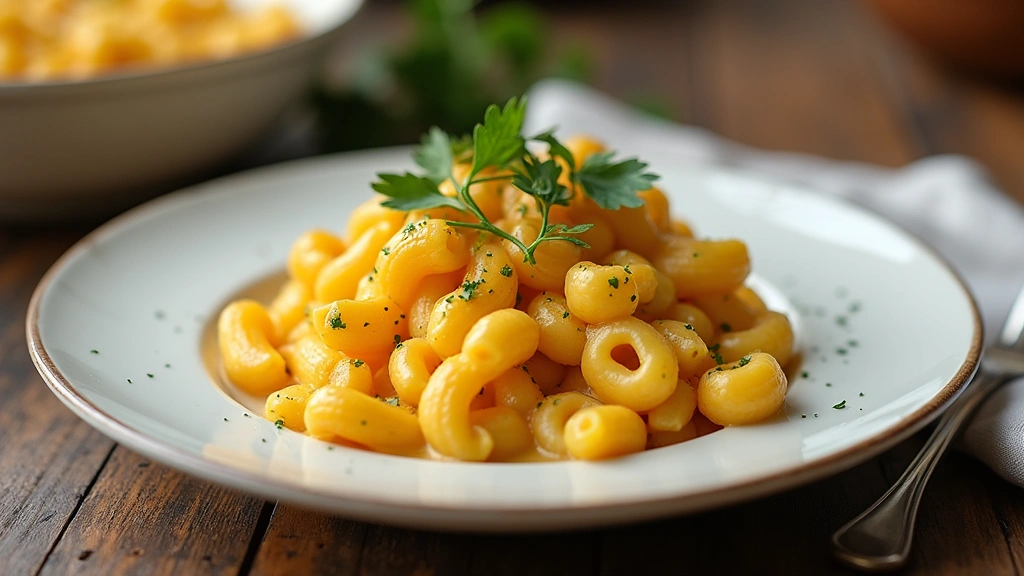
This classic Gluten-Free Mac and Cheese brings together the comforting richness of cheese with a modern twist to accommodate dietary needs.
The creamy, cheesy sauce coats each piece of pasta, creating a dish that is both indulgent and satisfying.
I discovered this recipe while experimenting with gluten-free options for my family, and it quickly became a household favorite.
Whether you’re preparing a casual family dinner or hosting a gluten-sensitive friend, this mac and cheese delivers impressive results with straightforward preparation.
The harmonious balance of sharp cheddar and smooth cream creates a memorable dining experience that will have everyone asking for your secret.
Enjoy the nostalgic flavors of classic mac and cheese, without the gluten.
The History and Cultural Significance
• Gluten-Free Mac and Cheese traces its origins to the United States in the early 21st century, where it was originally created by home cooks seeking alternatives for gluten-sensitive individuals.
• The dish evolved over decades as gluten-free pasta options improved, eventually becoming the beloved version we know today.
• In American culture, this dish traditionally appears at family gatherings and holiday feasts, symbolizing comfort and inclusivity.
• While many variations exist across different regions, the authentic version maintains a creamy cheese sauce that sets it apart from imitations.
Recipe Overview
Nutritional Information (per serving)
Essential Equipment Guide
Large Pot: Essential for cooking the pasta evenly and preventing it from sticking. Alternatives include a deep skillet or a Dutch oven, but ensure it has enough capacity.
Whisk: Important for creating a smooth cheese sauce without lumps. A fork can serve as an alternative, but a whisk is more effective.
Baking Dish: Necessary for achieving a golden, baked top. Look for a dish that is oven-safe and distributes heat evenly for best results.
Ingredients
For the Base
|
|
| Amount | Ingredient | Notes |
|---|---|---|
| 12 ounces | gluten-free pasta | such as elbow or shells, cooked al dente |
For the Cheese Sauce
| Amount | Ingredient | Notes |
|---|---|---|
| 2 cups | shredded sharp cheddar cheese | adds rich flavor |
| 1 cup | grated Parmesan cheese | for extra depth |
| 2 cups | milk | creates creaminess, preferably whole milk |
| 3 tablespoons | butter | for richness |
| 3 tablespoons | gluten-free flour | thickens the sauce |
Seasonings
| Amount | Ingredient | Notes |
|---|---|---|
| 1 teaspoon | salt | enhances flavor |
| 1/2 teaspoon | black pepper | adds subtle heat |
| 1/4 teaspoon | nutmeg | optional, for warmth |
Preparation Methods
Making a Roux: A classic technique of cooking flour and fat together to thicken sauces. In this dish, it provides the base for a creamy cheese sauce. Ensure equal parts flour and butter are used, and cook until lightly golden.
Tempering Cheese: Gradually adding cheese to a warm sauce ensures it melts smoothly without clumping. Add cheese in small batches and stir continuously to maintain a velvety texture.
Baking for Texture: Baking the mac and cheese creates a crispy top layer while keeping the interior creamy. Preheat the oven and place the dish on the middle rack for even browning.
Step 1: Prepare Ingredients
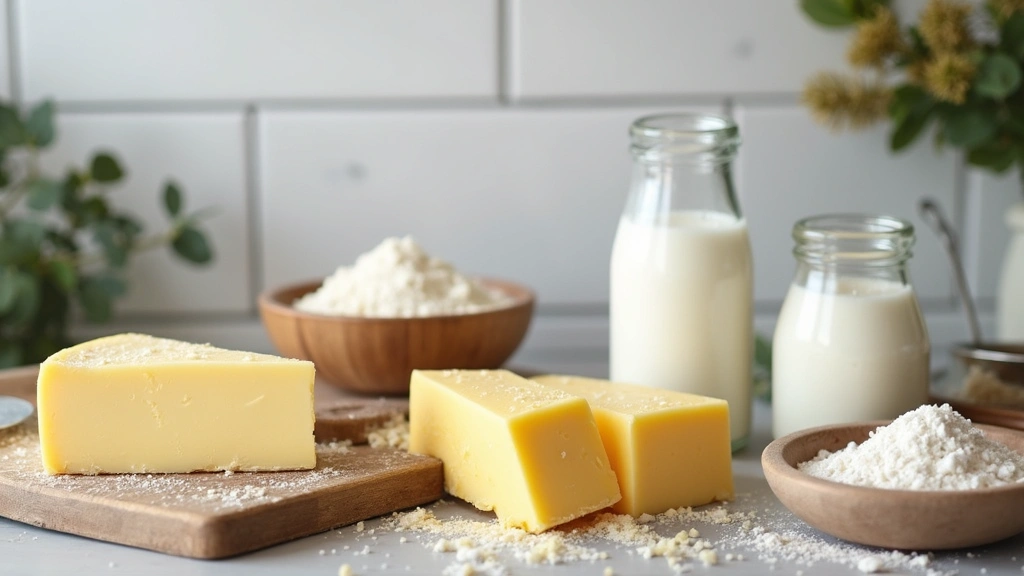
Gather all ingredients and equipment.
Measure out the cheese, milk, butter, and flour.
Ensure the pasta is cooked al dente and drained.
Preheat the oven to 350°F (175°C).
Step 2: Cook the Pasta
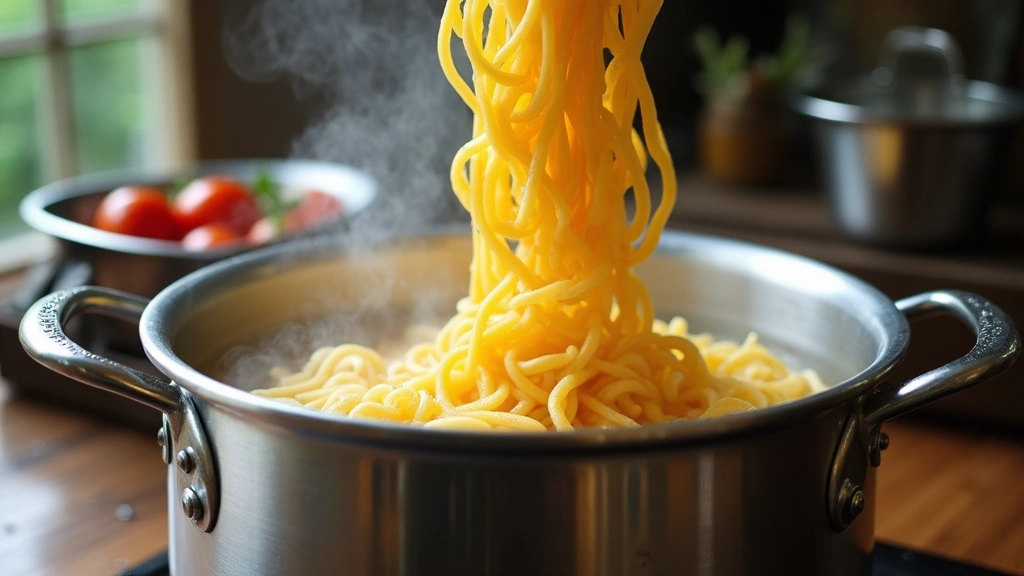
Fill a large pot with water and bring to a boil.
Add a pinch of salt to the water.
Cook the gluten-free pasta until al dente, according to package instructions.
Drain the pasta and set aside.
Step 3: Make the Roux
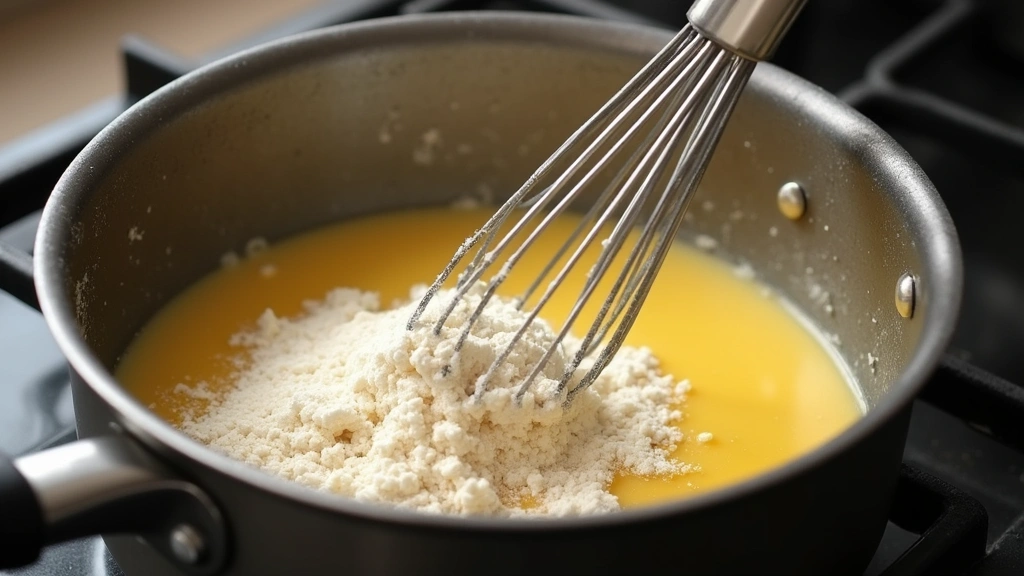
In the same pot, melt butter over medium heat.
Add gluten-free flour to the melted butter.
Whisk constantly until the mixture is smooth and lightly golden.
This step is crucial for thickening the sauce.
Step 4: Prepare the Cheese Sauce
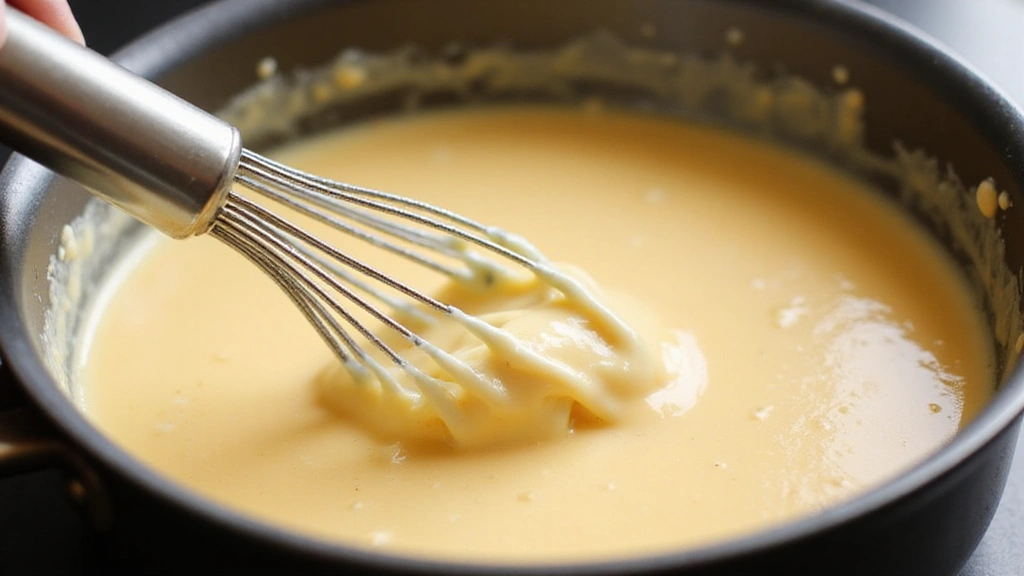
Slowly add milk to the roux while whisking continuously.
Increase heat to medium-high and cook until the mixture thickens.
Reduce heat to low and add shredded cheddar cheese.
Stir until the cheese is fully melted and the sauce is smooth.
Step 5: Combine Pasta and Sauce
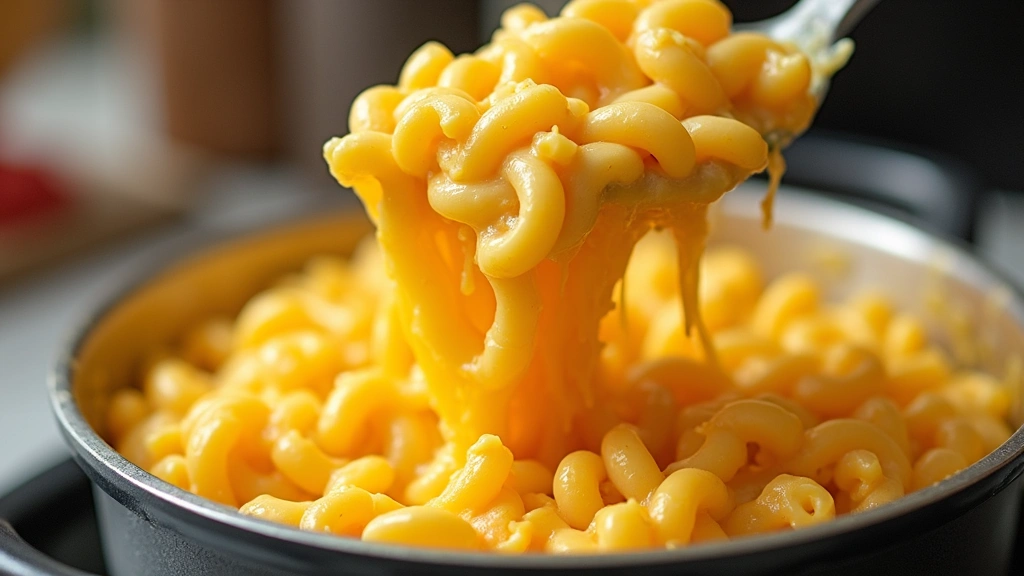
Add the cooked pasta to the cheese sauce.
Gently fold the pasta into the sauce until evenly coated.
Add salt, pepper, and nutmeg for seasoning.
Ensure the pasta is well-mixed with the sauce.
Step 6: Transfer to Baking Dish
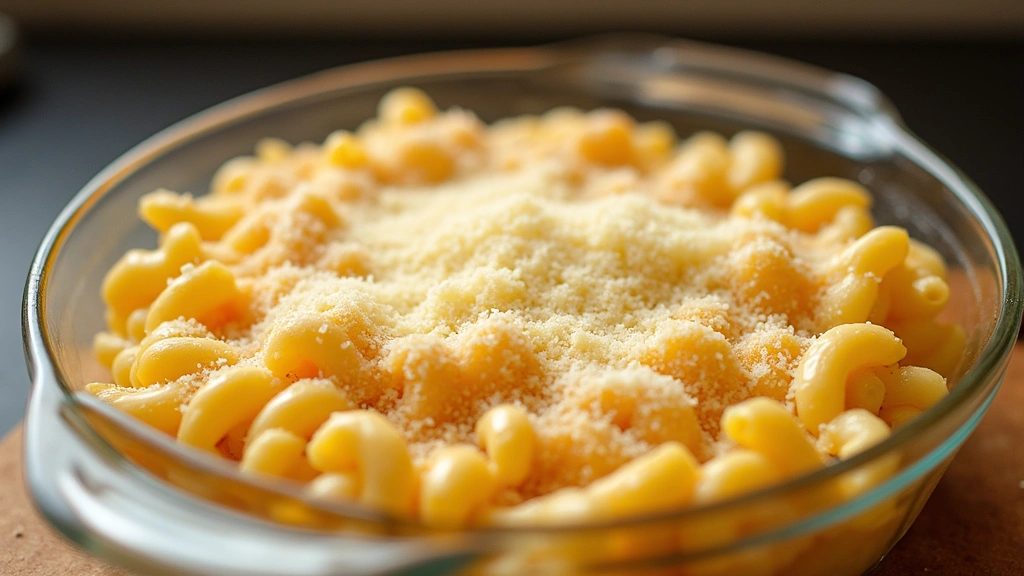
Grease a baking dish with a light coating of butter.
Pour the mac and cheese mixture into the prepared dish.
Spread evenly for consistent baking.
Sprinkle Parmesan cheese on top for extra flavor.
Step 7: Bake the Mac and Cheese
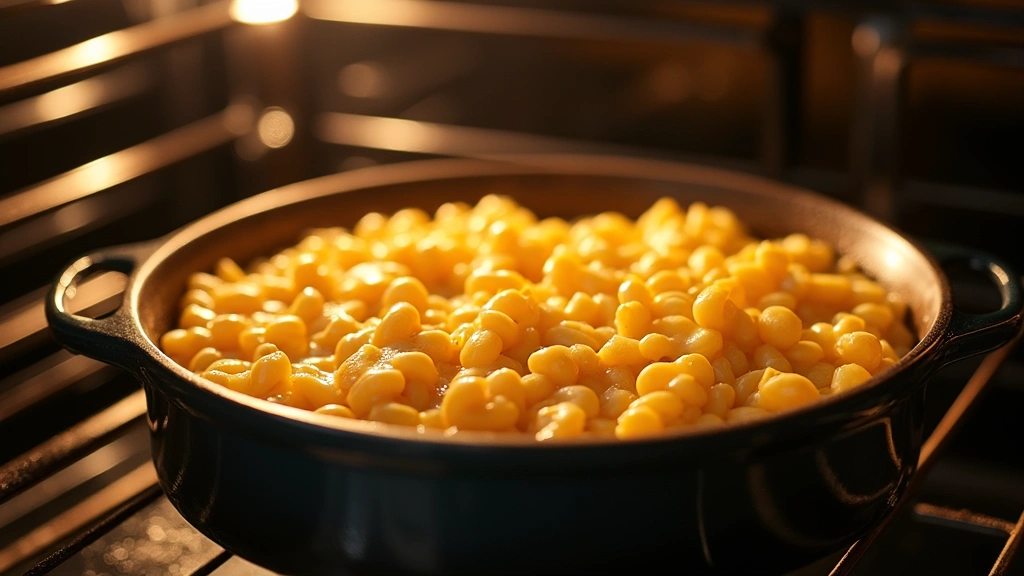
Place the baking dish in the preheated oven.
Bake for 20-25 minutes or until the top is golden and bubbly.
Check for a crispy top layer as a sign of doneness.
Avoid over-baking to keep the interior creamy.
Step 8: Serve and Enjoy
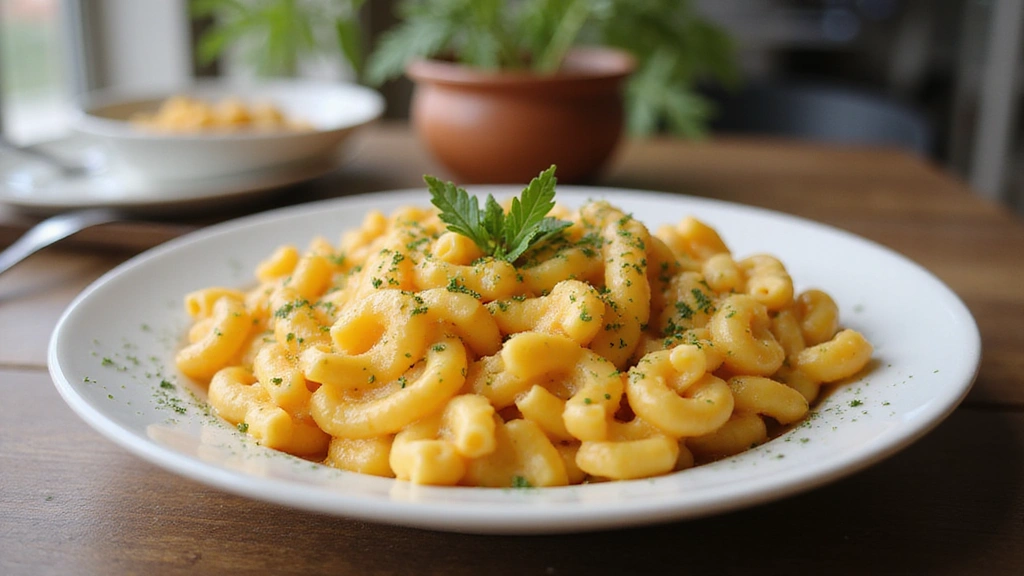
Remove the dish from the oven and let it cool slightly.
Garnish with fresh herbs if desired.
Serve hot for the best texture and flavor.
Enjoy your gluten-free mac and cheese with friends and family.
Critical Timing and Temperature Guide
Cooking Pasta: Cook pasta for exactly 7-9 minutes until al dente. Look for a firm texture with a slight bite. Avoid overcooking as it can become mushy after baking.
Baking Mac and Cheese: Bake at 350°F (175°C) for 20-25 minutes. Look for a golden, bubbly top. Over-baking may dry out the sauce.
Cheese Sauce Preparation: Heat sauce to medium-high, stirring constantly. A thickened consistency without lumps is key. Avoid boiling to prevent curdling.
Pro Tips for Gluten-Free Mac and Cheese
• Ingredient Selection: Use high-quality sharp cheddar for a robust cheese flavor and creamy texture, which are crucial for the dish's success.
• Preparation Secret: Toast the gluten-free flour slightly before adding milk to enhance the nutty flavor of the roux.
• Temperature Management: Ensure the milk is at room temperature before adding to the roux for a smoother sauce.
• Texture Enhancement: Stir the pasta gently after adding to the sauce to avoid breaking the delicate gluten-free noodles.
• Flavor Layering: Incorporate a pinch of nutmeg in the cheese sauce for a subtle depth of flavor.
• Make-Ahead Strategies: Prepare the cheese sauce up to two days in advance and store in the refrigerator. Reheat gently before combining with pasta.
• Restaurant-Quality Finishing Touches: Garnish with chopped parsley or chives for a fresh, vibrant finish.
• Equipment Optimization: Use a non-stick pot for the sauce to prevent sticking and burning, particularly important for gluten-free recipes.
Troubleshooting Common Issues
• Texture Too Dense: This can occur if the pasta is overcooked or the sauce is too thick. Cook pasta to al dente and ensure the sauce is creamy but not overly thick before baking.
• Sauce is Lumpy: Caused by not whisking the roux properly. Make sure to whisk continuously when adding milk to prevent lumps.
• Flavors Unbalanced: If the cheese sauce tastes bland, it may need more seasoning. Adjust salt and pepper to taste, and consider adding a dash of mustard for extra tang.
• Browning Unevenly: This happens if the oven temperature is inconsistent. Check the oven’s calibration or rotate the dish halfway through baking.
• Dry Mac and Cheese: If the end result is dry, it could be due to over-baking. Reduce baking time or add a bit more milk to the sauce before baking.
Variations and Regional Differences
• Southern Style: Features a creamier base with the addition of evaporated milk and often includes a breadcrumb topping for added crunch.
• New England Variation: Incorporates lobster or seafood for a luxurious twist, highlighting regional ingredients.
• Spicy Southwestern: Includes jalapeños and pepper jack cheese for a spicy kick, reflecting the flavors of the American Southwest.
• Vegan Adaptation: Uses nutritional yeast and plant-based milk and cheese substitutes to create a dairy-free version.
Food Science Behind the Recipe
• Emulsification: The process of combining cheese and liquid to form a smooth sauce. Understanding this helps avoid separation and clumping.
• Starch Gelatinization: Occurs when the gluten-free flour in the roux absorbs liquid, thickening the sauce. Proper heat and stirring are key.
• Maillard Reaction: The browning of the cheese on top during baking that enhances flavor and aroma. Achieving the right temperature is crucial for this reaction.
Frequently Asked Questions
What's the most common mistake people make when preparing Gluten-Free Mac and Cheese? The most common mistake is overcooking the pasta, which can lead to a mushy texture after baking.
Can I use any type of gluten-free pasta? Yes, but it's best to choose a variety that holds its shape well, such as rice or corn-based pasta.
How do I prevent the cheese sauce from curdling? Avoid boiling the sauce after adding cheese, and use room temperature milk to maintain smoothness.
What can I use as a substitute for gluten-free flour in the roux? Cornstarch or arrowroot can be used as alternatives, though they may alter the sauce's texture slightly.
How can I make the dish lower in calories? Opt for reduced-fat cheese and milk, but note these can affect the creaminess of the sauce.
Is it possible to make this dish ahead of time? Yes, prepare the sauce and pasta separately, then combine and bake when ready to serve.
Can I freeze leftovers? While possible, freezing can change the texture of gluten-free pasta. It's best consumed fresh or stored in the fridge for up to three days.
Serving and Presentation Guide
• Traditional Presentation: Serve in individual bowls or ramekins for a cozy, homestyle feel, garnished with a sprinkle of parsley.
• Family-Style: Present in a large baking dish directly on the table, allowing guests to serve themselves.
• Gourmet Plating: Use a ring mold to shape servings on a plate, topped with microgreens for an elegant touch.
• Buffet Style: Keep warm in a chafing dish for larger gatherings, with a variety of toppings like crispy bacon bits or extra cheese.
Conclusion
I hope this Gluten-Free Mac and Cheese recipe inspires you to try something new in your kitchen.
Its creamy texture and rich flavors make it a delightful dish for everyone, regardless of dietary restrictions.
Don't hesitate to share this recipe with friends and family who will appreciate a comforting, gluten-free meal.