

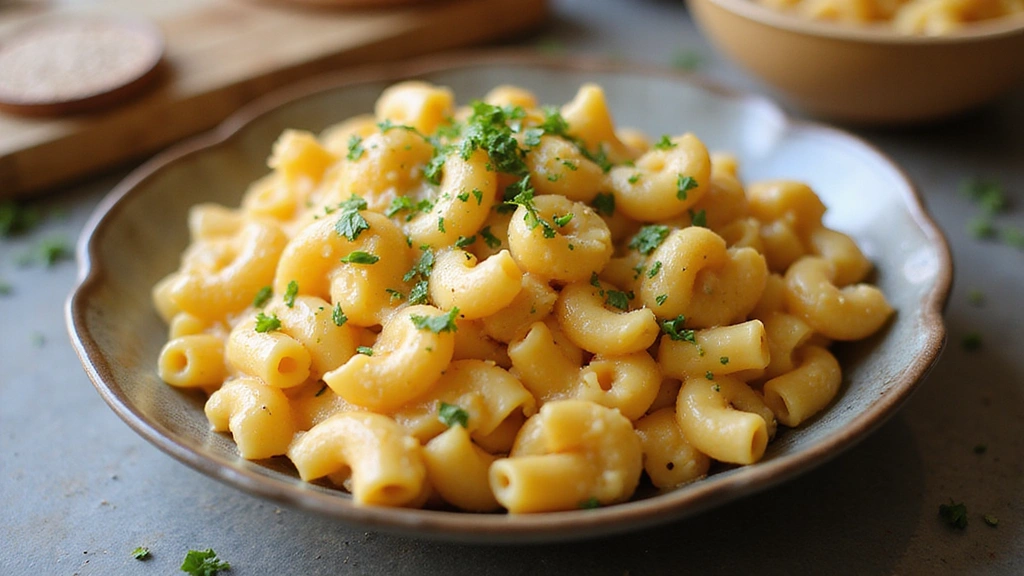
There’s nothing quite like the comforting embrace of a warm bowl of mac and cheese.
The gooey, cheesy delight of this dish makes it a perennial favorite for both kids and adults alike.
My love affair with mac and cheese began in my grandmother’s kitchen, where she taught me the secrets of making it from scratch.
This recipe pays homage to her version, with a few modern tweaks to make it even more irresistible.
Whether it’s a chilly winter night or a gathering of friends, this ultimate homemade mac and cheese is sure to be a crowd-pleaser.
The History and Cultural Significance
• Ultimate Homemade Mac traces its origins to Northern Europe during the medieval period, where it was originally created by chefs experimenting with pasta and cheese.
• The dish evolved over decades as pasta became more refined and cheese varieties expanded, eventually becoming the beloved version we know today.
• In the United States, this dish traditionally appears at Thanksgiving and other family gatherings, symbolizing warmth and togetherness.
• While many variations exist across different regions, the authentic version maintains a creamy texture and rich cheese flavor that sets it apart from imitations.
Recipe Overview
Nutritional Information (per serving)
Essential Equipment Guide
Large Pot: A large pot is crucial for boiling the pasta evenly without sticking. Look for a pot with a heavy bottom to maintain consistent heat and prevent burning. Alternative: Dutch oven.
Whisk: A whisk is essential for achieving a smooth cheese sauce. Opt for a silicone-coated whisk to avoid scratching non-stick surfaces. Alternative: Wooden spoon.
Baking Dish: Using the right baking dish ensures even cooking and adds a crispy top layer. Choose a ceramic or glass dish for best results. Alternative: Cast iron skillet.
Ingredients
For the Base
|
|
| Amount | Ingredient | Notes |
|---|---|---|
| 16 ounces | elbow macaroni | classic pasta choice |
| 4 tablespoons | unsalted butter | adds richness |
For the Sauce
| Amount | Ingredient | Notes |
|---|---|---|
| 3 cups | whole milk | creamy texture |
| 3 tablespoons | all-purpose flour | thickening agent |
| 2 cups | sharp cheddar cheese | bold flavor |
| 1 cup | gruyere cheese | adds nutty undertone |
Seasonings
| Amount | Ingredient | Notes |
|---|---|---|
| 1 teaspoon | salt | enhances flavor |
| 1 teaspoon | black pepper | adds depth |
| 1 teaspoon | mustard powder | adds tang |
Preparation Methods
Roux Preparation: A roux is made by cooking flour and fat together, forming the base of the cheese sauce. It’s essential for thickening and adding a rich flavor. Start with equal parts flour and butter, whisking constantly over medium heat until light brown.
Tempered Milk Addition: Gradually adding milk to the roux prevents lumps. Warm the milk slightly before adding it slowly, whisking continuously to achieve a smooth sauce.
Cheese Melting Technique: Add cheese to the sauce off the heat to prevent it from curdling. Stir in small batches and allow each addition to melt completely before adding more.
Step 1: Prepare Ingredients
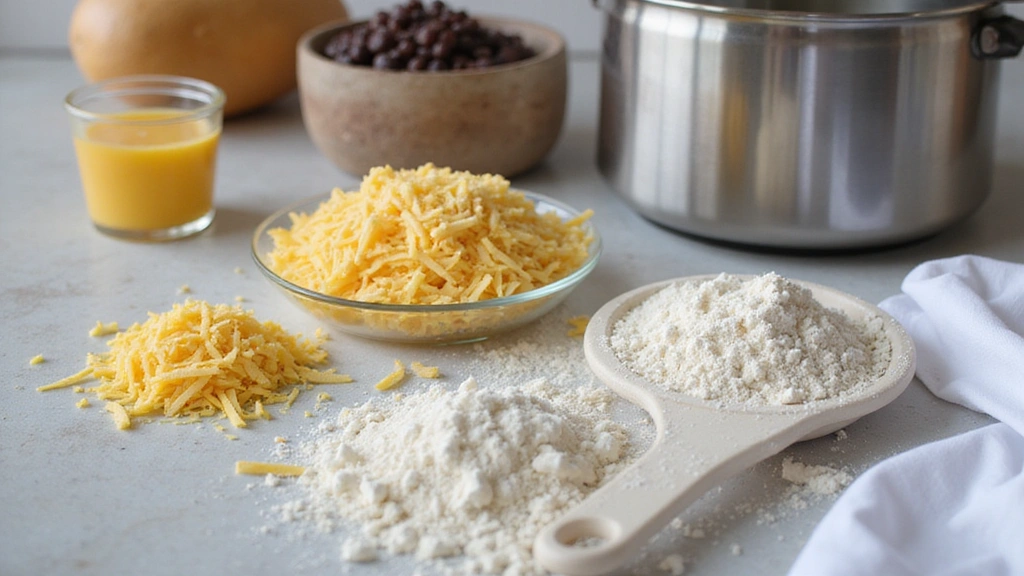
Gather all the ingredients and measure them accurately.
Grate the cheeses to ensure they melt evenly.
Bring a large pot of salted water to a boil for the pasta.
Preheat your oven to 350°F for baking.
Step 2: Cook the Macaroni
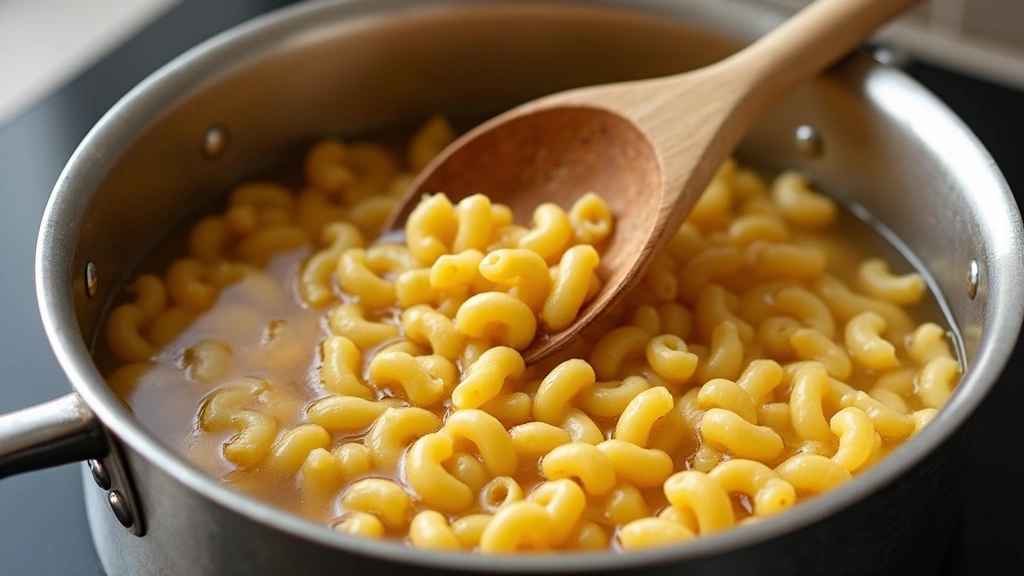
Add the macaroni to the boiling water and cook until al dente.
Stir occasionally to prevent sticking.
Drain the pasta and set it aside.
Rinse with cold water to stop the cooking process.
Step 3: Make the Roux
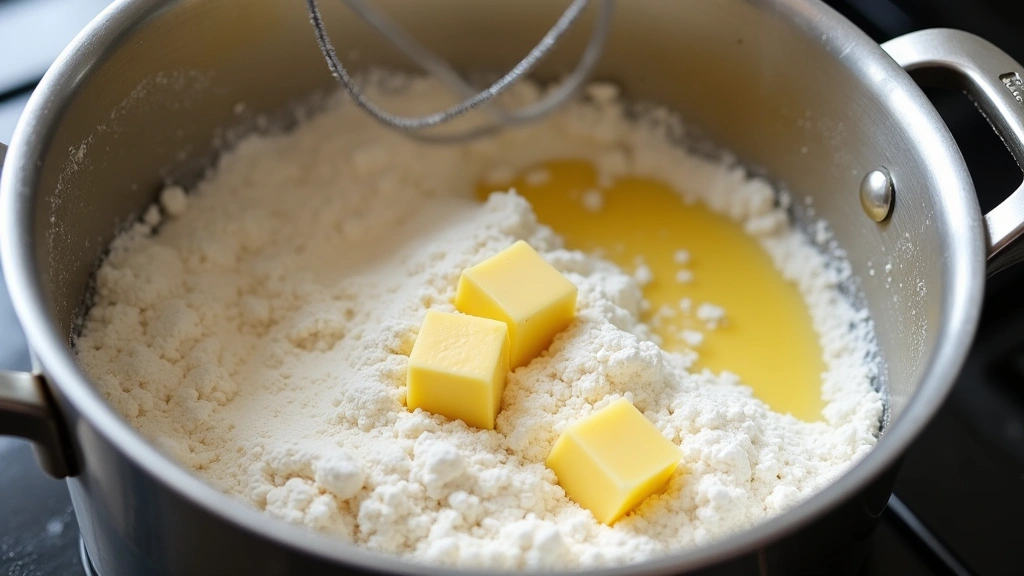
Melt butter in a large saucepan over medium heat.
Add flour and whisk continuously for about 2 minutes.
The mixture should become slightly golden and fragrant.
Ensure no lumps remain for a smooth base.
Step 4: Add Milk Gradually
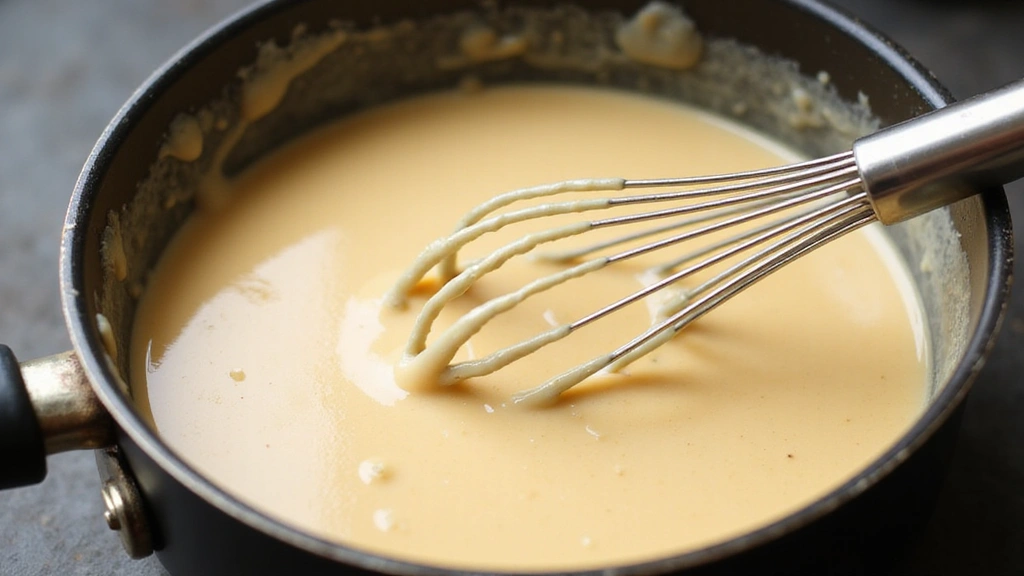
Slowly pour in the warmed milk while whisking.
Continue whisking until the mixture thickens slightly.
Ensure the heat is medium to avoid scorching.
Look for a smooth, creamy consistency.
Step 5: Incorporate Cheese
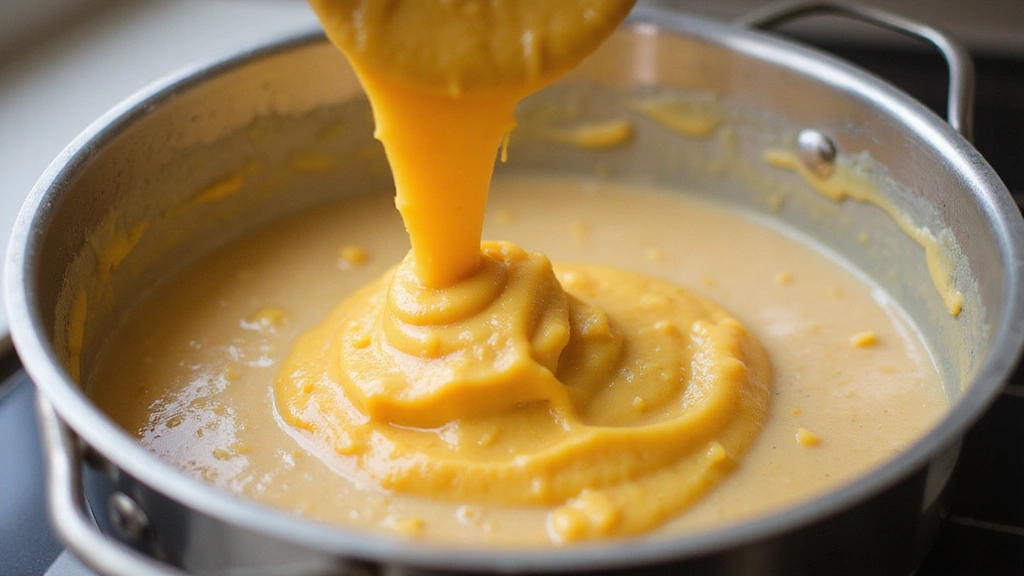
Remove the saucepan from heat.
Add the grated cheeses in small batches.
Stir until each addition is fully melted and smooth.
The sauce should be thick and glossy.
Step 6: Season the Sauce
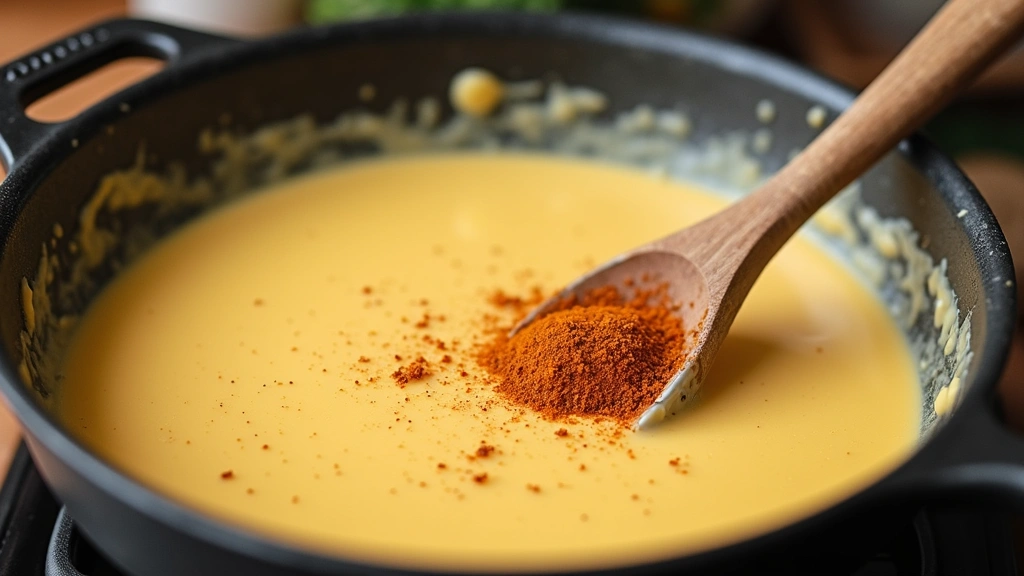
Stir in salt, black pepper, and mustard powder.
Taste and adjust the seasoning as needed.
Ensure the flavors are well-balanced before combining with pasta.
The sauce should have a slight tang from the mustard.
Step 7: Combine Pasta and Sauce

Add the cooked macaroni to the cheese sauce.
Gently fold the pasta into the sauce until fully coated.
Ensure every piece of pasta is enveloped in the sauce.
Transfer the mixture to a prepared baking dish.
Step 8: Bake to Perfection
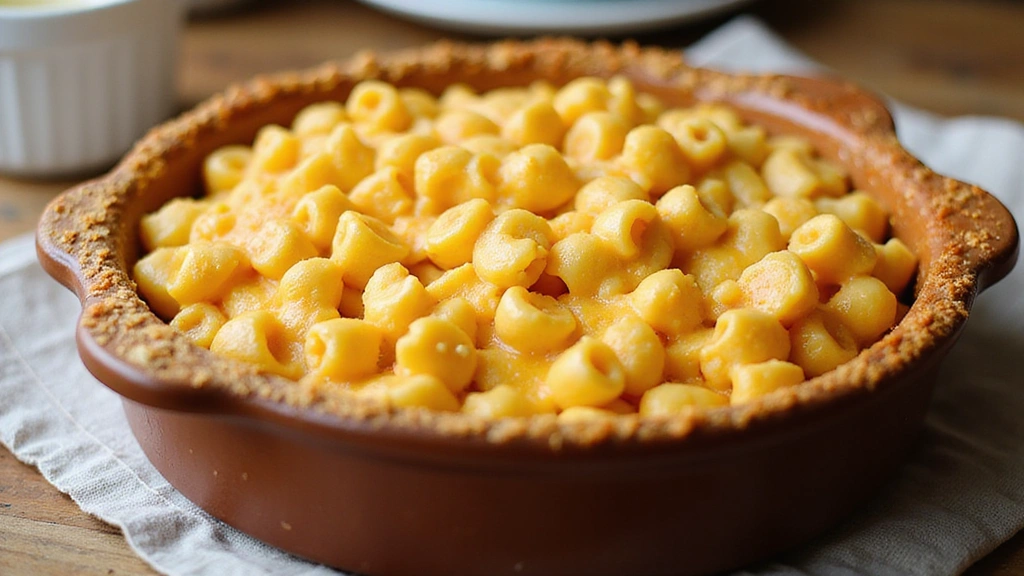
Spread the pasta and cheese mixture evenly in the baking dish.
Bake in the preheated oven for 20 minutes.
Look for a bubbling top with a golden crust.
Let it rest for 5 minutes before serving.
Critical Timing and Temperature Guide
Boiling Pasta: Boil for 8-10 minutes until al dente. Visual indicator: pasta should be firm to the bite. Avoid overcooking to prevent mushy texture.
Roux Cooking: Cook roux for 2-3 minutes on medium heat. Visual indicator: light golden color without browning. Avoid burning by continuous whisking.
Baking Mac and Cheese: Bake at 350°F for 20 minutes. Visual indicator: bubbly sauce and golden top. Avoid overbaking to prevent drying out.
Pro Tips for Ultimate Homemade Mac
• Ingredient Selection: Choose high-quality sharp cheddar for flavor and gruyere for meltability. Aged cheddar gives the best taste.
• Preparation Secret: Toast the flour slightly longer for a deeper flavor in the roux.
• Temperature Management: Ensure milk is warm before adding to the roux to prevent clumping.
• Texture Enhancement: Use a mix of cheeses to achieve a complex texture and flavor profile.
• Flavor Layering: Add a pinch of cayenne pepper for a subtle kick that enhances other flavors.
• Make-Ahead Strategies: Prepare the cheese sauce a day ahead and store it in the fridge. Reheat gently before combining with pasta.
• Restaurant-Quality Finishing Touches: Top with breadcrumbs mixed with melted butter for a crispy finish.
• Equipment Optimization: Use a convection setting if available to ensure even baking and a crisp top.
Troubleshooting Common Issues
• Texture Too Dense: Caused by overcooking pasta. Recognize by checking pasta firmness before baking. Fix by reducing boiling time next attempt.
• Sauce Too Thick: Often due to too much flour or not enough milk. Recognize by difficulty in stirring. Fix by adding milk gradually while reheating.
• Cheese Curdling: Caused by adding cheese on high heat. Recognize by grainy sauce texture. Fix by lowering heat and stirring constantly.
• Lack of Flavor: Due to under-seasoning. Recognize by bland taste. Fix by adjusting salt, pepper, and mustard powder to taste.
• Pasta Sticking: Caused by insufficient stirring during boiling. Recognize by clumped pasta. Fix by stirring more frequently during boiling.
Variations and Regional Differences
• Southern Style: Incorporates eggs for a custard-like consistency and uses a mix of cheddar and Velveeta for a creamy texture.
• Italian Twist: Uses béchamel sauce as a base with parmesan and mozzarella, often flavored with nutmeg.
• French Gratin: Includes a breadcrumb topping and uses gruyere and emmental cheeses, baked until golden brown.
• Vegan Alternative: Utilizes cashew cream and nutritional yeast for a dairy-free version with a similar creamy texture.
Food Science Behind the Recipe
• Emulsification: Cheese sauce stability relies on emulsification, where fats and liquids are combined into a smooth mixture. Understanding this helps achieve a lump-free sauce.
• Gelatinization: The roux thickens the sauce through the gelatinization of starches, which occurs when flour is cooked with a liquid.
• Maillard Reaction: Browning on top occurs due to the Maillard reaction, enhancing flavor and aroma. Knowing this ensures the perfect bake.
Frequently Asked Questions
What's the most common mistake people make when preparing mac and cheese? The most common mistake is overcooking the pasta, leading to a mushy texture. Ensuring it's al dente before baking is key.
Can I use pre-shredded cheese? It’s best to avoid pre-shredded cheese as it contains anti-caking agents that prevent smooth melting.
How do I prevent the sauce from becoming grainy? Add the cheese off the heat and ensure it's fully melted before adding more to maintain a smooth consistency.
Is it possible to make this recipe gluten-free? Yes, substitute gluten-free pasta and flour to make it gluten-free without sacrificing texture.
Can I freeze leftovers? Yes, you can freeze cooked mac and cheese in an airtight container for up to two months.
How can I add more flavor? Experiment with different cheese combinations, spices like paprika, or even a splash of hot sauce.
What's the best way to reheat mac and cheese? Reheat in a 350°F oven covered with foil to prevent drying, or slowly on the stovetop with a splash of milk to restore creaminess.
Serving and Presentation Guide
• Traditional Presentation: Serve in the baking dish with a sprinkle of fresh parsley for color.
• Individual Portions: Serve in small ramekins for an elegant touch, perfect for dinner parties.
• Buffet Style: Present in a large casserole dish with a serving spoon for easy self-service.
• Gourmet Garnish: Add a drizzle of truffle oil and a sprinkle of chives for a sophisticated finish.
Conclusion
The ultimate homemade mac and cheese is more than just a dish; it's an experience of comfort and nostalgia.
With its creamy sauce and rich flavors, it’s sure to become a staple in your kitchen.
Give this recipe a try, and let the warmth of this classic favorite bring joy to your table.