

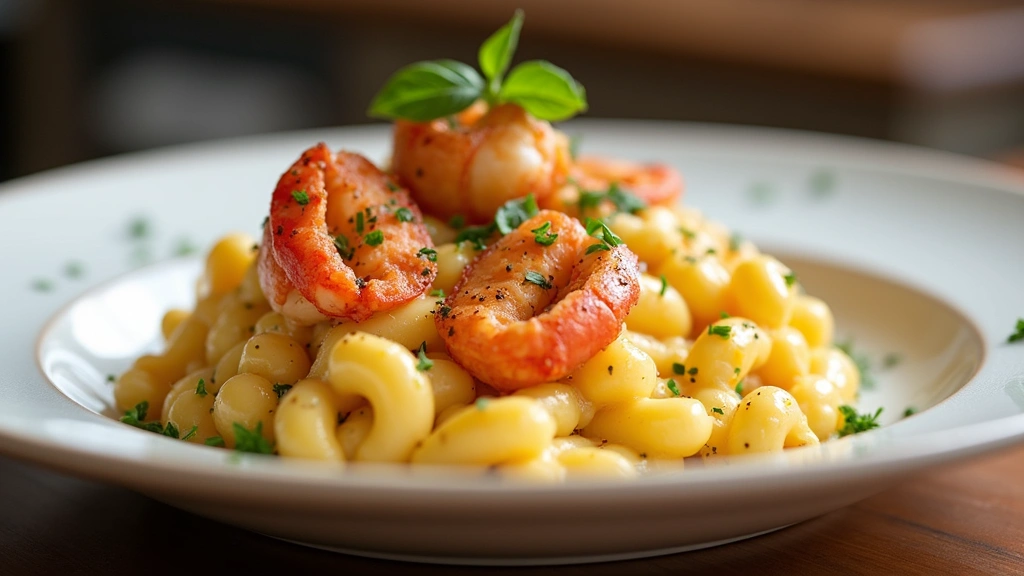
Lobster Mac and Cheese is a decadent twist on a beloved comfort food classic.
With its rich, creamy cheese sauce and succulent lobster pieces, this dish transforms a simple meal into a luxurious dining experience.
The combination of sharp cheeses and tender pasta creates a flavor profile that’s both rich and satisfying.
Whether you’re enjoying it on a chilly autumn evening or serving it as a show-stopping centerpiece for a dinner party, Lobster Mac and Cheese never fails to impress.
This recipe balances elegance and comfort, making it perfect for a variety of occasions.
The History and Cultural Significance
• Lobster Mac and Cheese traces its origins to New England in the early 20th century, where it was originally created by coastal chefs combining local seafood with comfort food staples.
• The dish evolved over decades as chefs experimented with different cheese combinations and pasta varieties, eventually becoming the beloved version we know today.
• In American culture, this dish traditionally appears at upscale restaurants and holiday gatherings, symbolizing indulgence and celebration.
• While many variations exist across different regions, the authentic version maintains a creamy texture and a golden crust that sets it apart from imitations.
Recipe Overview
Nutritional Information (per serving)
Essential Equipment Guide
Large Saucepan: Ensures even heat distribution for a smooth cheese sauce, essential for avoiding lumps. A heavy-bottomed pan is ideal.
Casserole Dish: Provides the perfect depth for even cooking and a crispy top layer. Look for oven-safe options.
Whisk: Helps incorporate cheese into the sauce smoothly, preventing clumps. A silicone whisk is gentle on non-stick surfaces.
Ingredients
For the Cheese Sauce
|
|
| Amount | Ingredient | Notes |
|---|---|---|
| 3 tablespoons | butter | adds richness |
| 3 tablespoons | all-purpose flour | for thickening |
| 2 cups | milk | room temperature |
| 1 cup | sharp cheddar cheese | grated, adds tang |
| 1 cup | gruyere cheese | grated, adds nuttiness |
| 1 teaspoon | Dijon mustard | enhances flavor |
For the Lobster
| Amount | Ingredient | Notes |
|---|---|---|
| 2 cups | lobster meat | cooked, chopped into bite-sized pieces |
For the Pasta
| Amount | Ingredient | Notes |
|---|---|---|
| 8 ounces | elbow macaroni | cooked al dente |
For the Topping
| Amount | Ingredient | Notes |
|---|---|---|
| 1 cup | panko breadcrumbs | for crispiness |
| 2 tablespoons | butter | melted, for browning |
| 2 tablespoons | parmesan cheese | grated, for flavor |
Preparation Methods
Making a Roux: This technique involves cooking equal parts butter and flour to thicken sauces. It's crucial for creating a smooth, creamy cheese sauce. Stir continuously to prevent burning and achieve a pale golden color.
Tempering Dairy: Slowly adding warm milk to the roux prevents curdling and ensures a smooth sauce. Gradually incorporate the milk while whisking to maintain an even texture.
Broiling: This technique is used to achieve a golden, crispy top layer. Keep a close eye to avoid burning, and rotate the dish for even browning.
Step 1: Prepare Ingredients
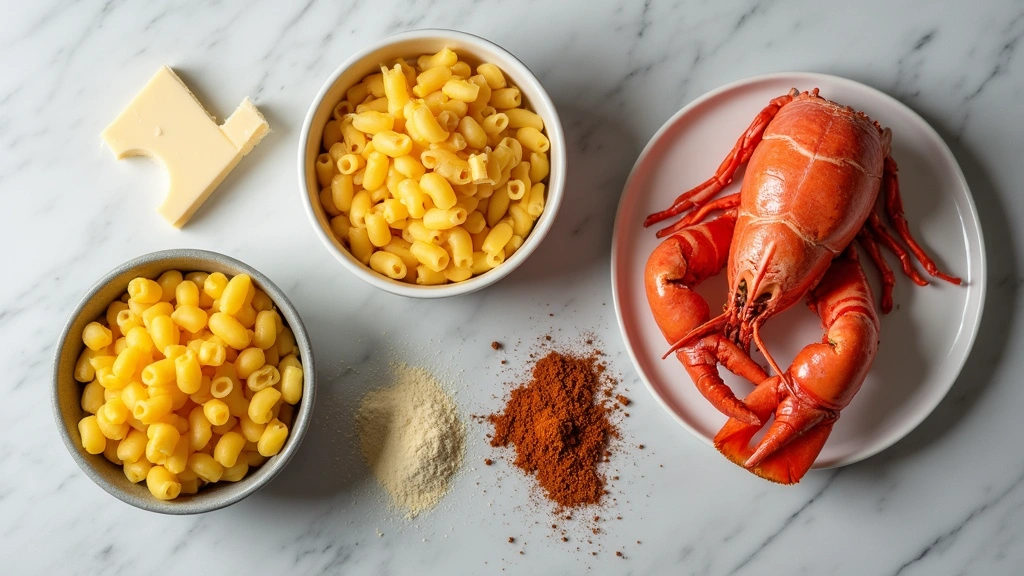
Gather all ingredients and equipment.
Ensure lobster meat is cooked and chopped.
Grate all cheeses for the sauce.
Preheat oven to 350°F.
Step 2: Cook the Pasta
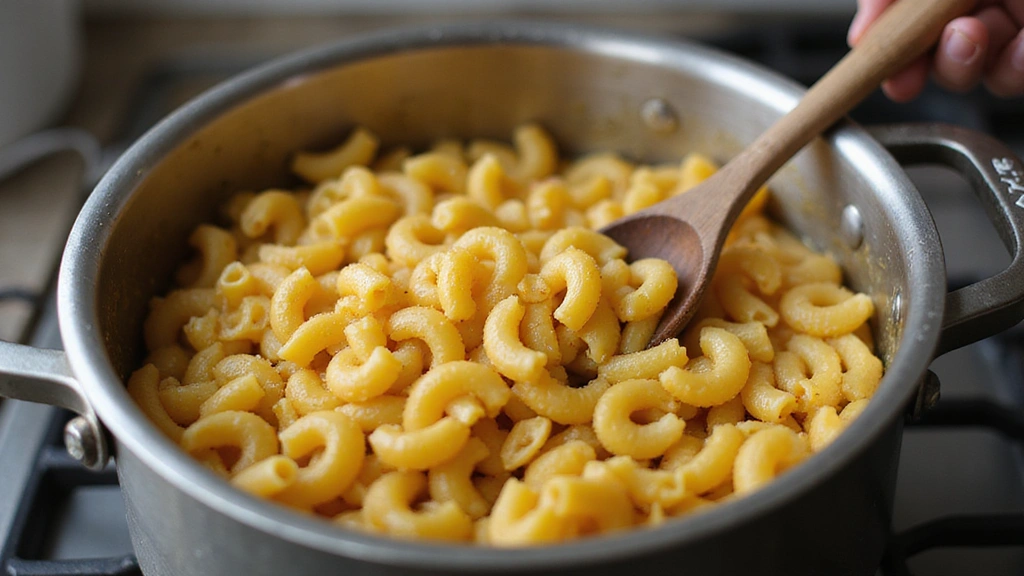
Bring a large pot of salted water to a boil.
Add elbow macaroni and cook until al dente.
Drain pasta and set aside.
Reserve a cup of pasta water for later use.
Step 3: Start the Cheese Sauce
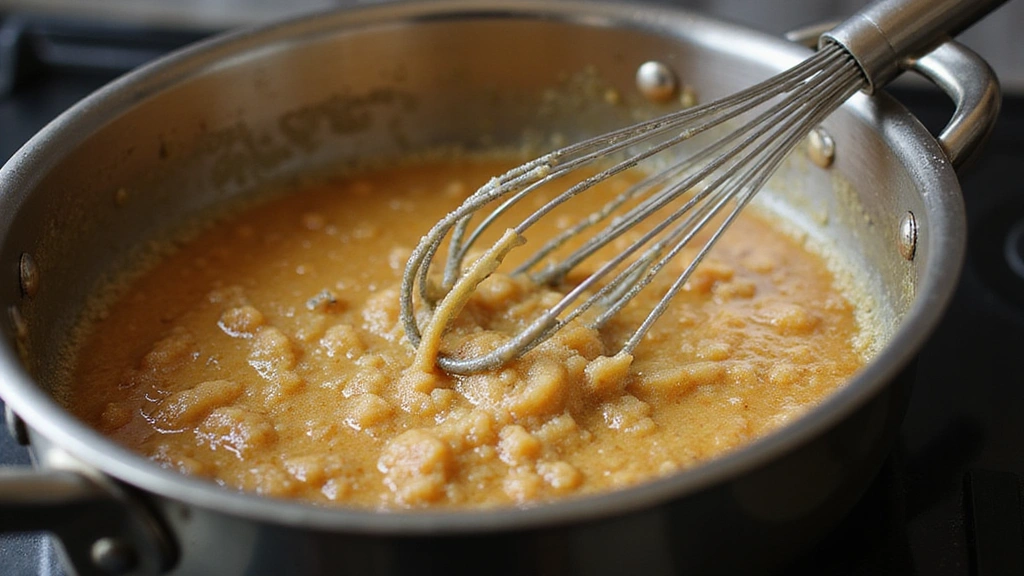
Melt butter in a large saucepan over medium heat.
Add flour, whisking constantly to form a roux.
Cook until the mixture is pale golden.
Add Dijon mustard and stir to combine.
Step 4: Temper the Milk
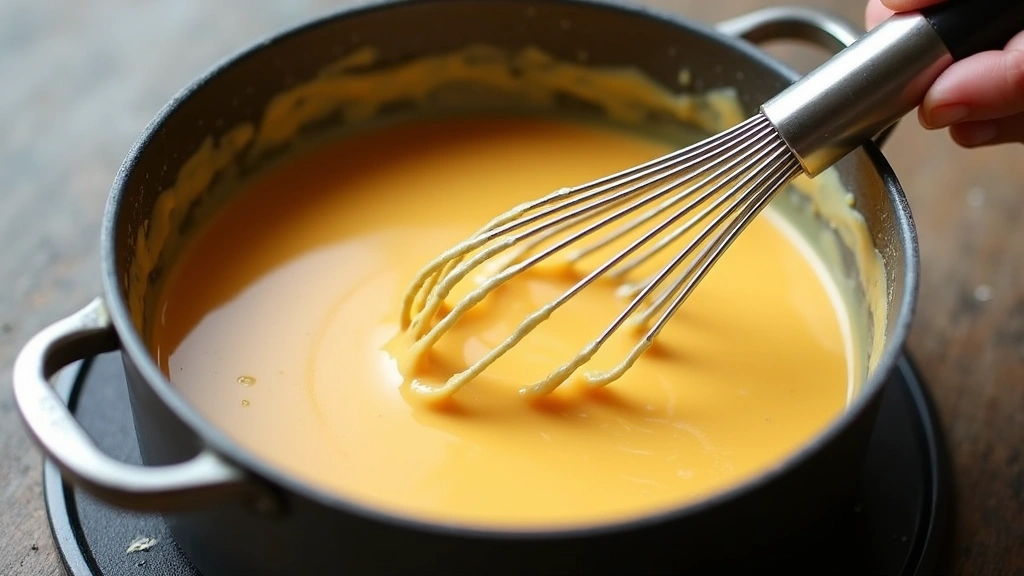
Gradually add warm milk to the roux, whisking continuously.
Ensure no lumps form and the sauce remains smooth.
Bring the mixture to a gentle simmer.
Continue whisking until thickened.
Step 5: Incorporate the Cheese
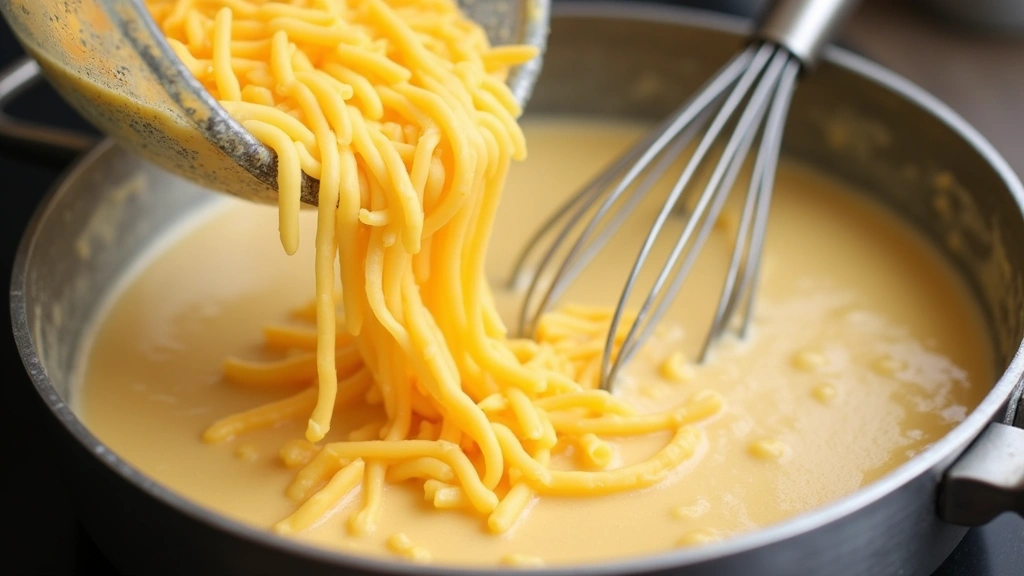
Remove saucepan from heat and add grated cheeses.
Stir until all cheese is melted and sauce is smooth.
Season with salt and pepper to taste.
Adjust consistency with reserved pasta water if needed.
Step 6: Combine Pasta and Lobster
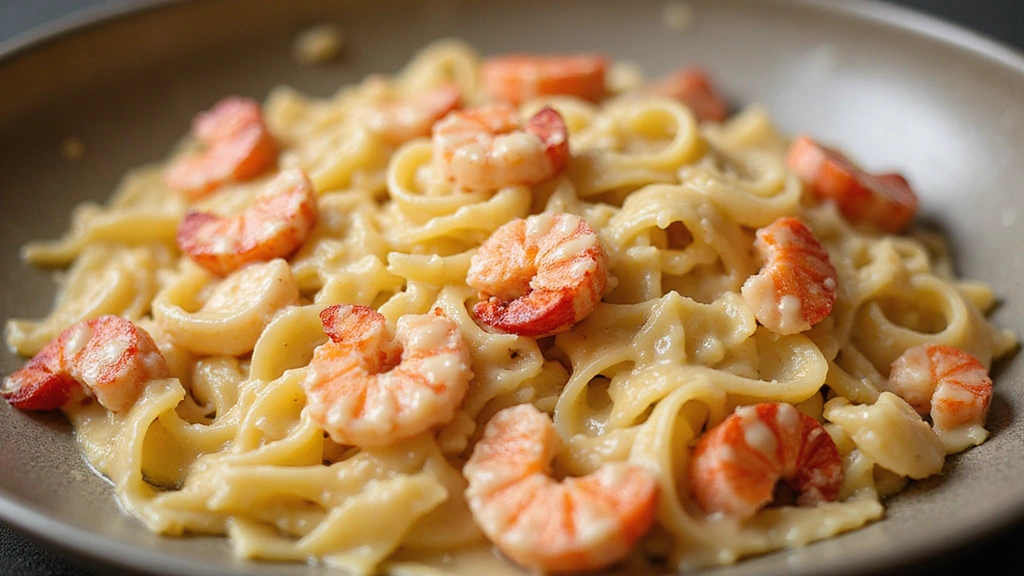
In a large bowl, combine cooked pasta and lobster meat.
Pour cheese sauce over the mixture.
Stir gently to coat evenly.
Ensure lobster and pasta are well distributed.
Step 7: Prepare the Topping
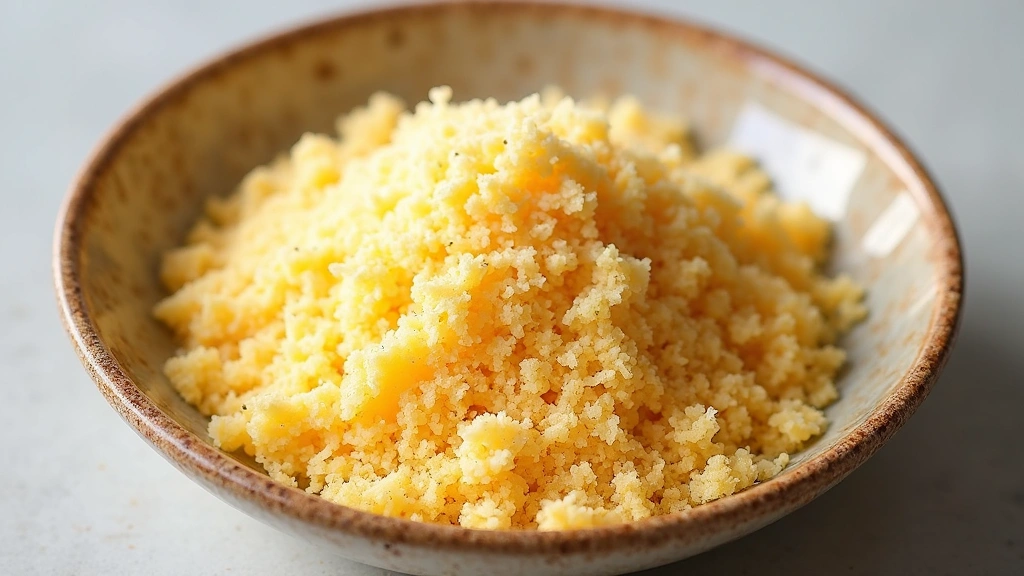
In a small bowl, combine panko breadcrumbs with melted butter.
Add grated Parmesan cheese and mix well.
Season with a pinch of salt.
Ensure the mixture is evenly coated with butter.
Step 8: Assemble and Bake
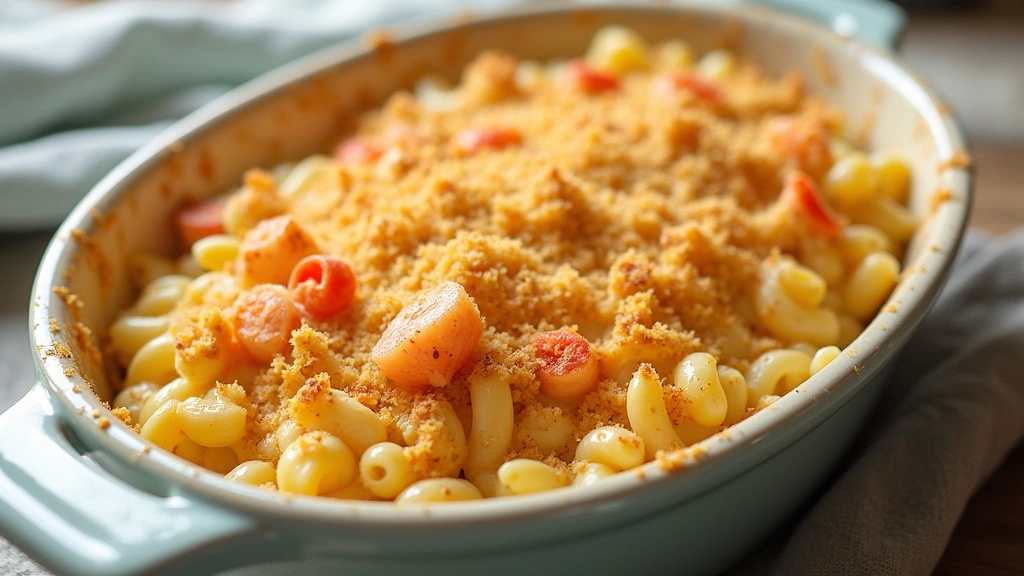
Transfer pasta mixture to a greased casserole dish.
Spread evenly and sprinkle breadcrumb topping over the surface.
Bake in preheated oven for 20 minutes.
Broil for an additional 2-3 minutes for a golden crust.
Critical Timing and Temperature Guide
Cooking the Pasta: Cook for 7-8 minutes until al dente. Avoid overcooking, as it will continue to soften in the oven.
Baking the Dish: Bake at 350°F for 20 minutes. Look for bubbling edges and a warmed center.
Broiling the Top: Broil on high for 2-3 minutes. Watch for a golden brown crust and avoid burning the topping.
Pro Tips for Lobster Mac and Cheese
• Ingredient Selection: Choose fresh, high-quality lobster for the best flavor. Cheddar and Gruyere should be aged for a sharper taste.
• Preparation Secret: Add a splash of white wine to the cheese sauce for added depth and acidity.
• Temperature Management: Ensure milk is room temperature to prevent curdling in the sauce.
• Texture Enhancement: Use panko breadcrumbs for a superior crispy topping.
• Flavor Layering: Incorporate a pinch of cayenne pepper for subtle heat without overpowering.
• Make-Ahead Strategies: Assemble the dish up to the baking step and refrigerate for up to 24 hours.
• Restaurant-Quality Finishing Touches: Garnish with fresh chives or parsley for color and freshness.
• Equipment Optimization: Use a cast-iron skillet for even cooking and a rustic presentation.
Troubleshooting Common Issues
• Flavors Unbalanced: If the cheese sauce tastes flat, add a splash of lemon juice or more salt to enhance flavors.
• Texture Too Dense: Overcooked pasta can result in a dense dish. Ensure pasta is cooked al dente.
• Sauce Too Thin: If the sauce is runny, thicken with a slurry of flour and water, whisking into the hot sauce.
• Crust Not Crispy: Ensure the topping is evenly coated with butter before baking.
• Lobster Chewy: Overcooked lobster becomes rubbery; add it just before combining with the pasta and sauce.
Variations and Regional Differences
• New England Style: Incorporates breadcrumbs mixed with herbs like thyme and parsley for a fragrant topping.
• Cajun Twist: Adds Cajun seasoning and andouille sausage for a spicy, Southern flair.
• Italian Influence: Uses a béchamel base with a mix of mozzarella and Parmesan for a cheesy Italian take.
• Southwestern Version: Incorporates roasted green chilies and pepper jack cheese for a spicy kick.
Food Science Behind the Recipe
• Emulsification: The process of combining cheese and milk creates a stable sauce, preventing separation and ensuring creaminess.
• Maillard Reaction: Browning the breadcrumb topping enhances flavor and adds a desirable crunchy texture.
• Chemical Leavening: Incorporating baking soda in pasta water can help achieve a smoother surface, allowing the sauce to cling better.
Frequently Asked Questions
What's the most common mistake people make when preparing Lobster Mac and Cheese? Overcooking the pasta, which results in a mushy texture once baked.
Can I use frozen lobster meat? Yes, but ensure it's fully thawed and drained to prevent excess moisture in the dish.
What type of cheese works best? A combination of sharp cheddar and Gruyere provides the best flavor and melting properties.
How do I achieve a crispy topping? Use panko breadcrumbs and ensure they are evenly coated with butter before baking.
Can this dish be made gluten-free? Yes, substitute with gluten-free pasta and flour.
Is it possible to prepare this dish in advance? Yes, assemble and refrigerate, then bake just before serving.
How can I adjust the flavor if it's too bland? Add more salt, pepper, or a splash of lemon juice to brighten the flavors.
Serving and Presentation Guide
• Traditional Presentation: Serve in individual ramekins for an elegant touch, garnished with fresh herbs.
• Family-Style Serving: Present in a large casserole dish, allowing guests to serve themselves.
• Gourmet Plating: Use a ring mold for neat portions, topped with a lobster claw as an elegant garnish.
• Casual Approach: Serve alongside a green salad for a balanced meal.
Conclusion
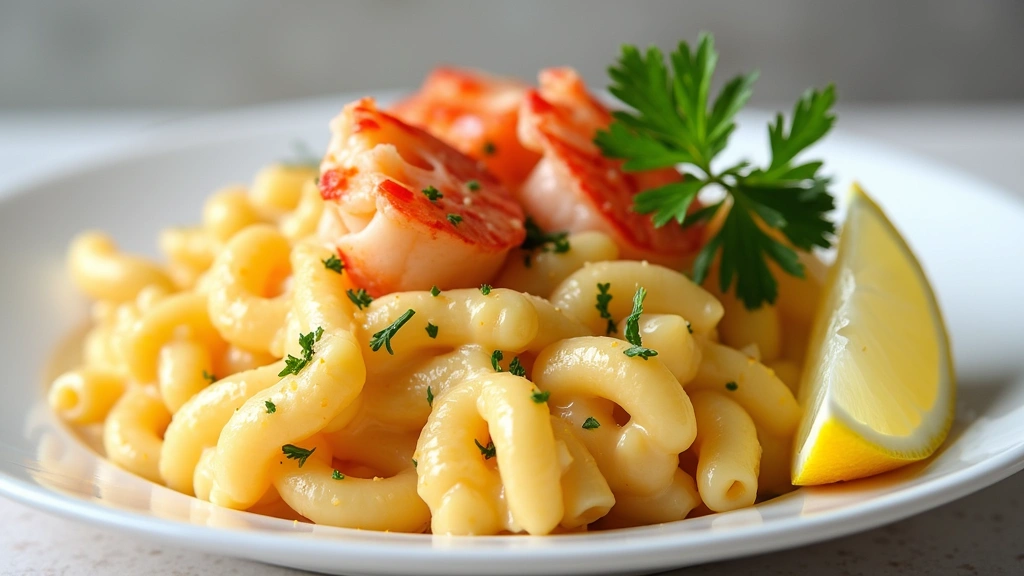
Lobster Mac and Cheese brings a touch of elegance to a classic comfort food favorite.
With its rich flavors and creamy texture, it's sure to become a family favorite.
Try this recipe for your next special occasion and enjoy the luxurious taste of lobster combined with cheesy goodness.