

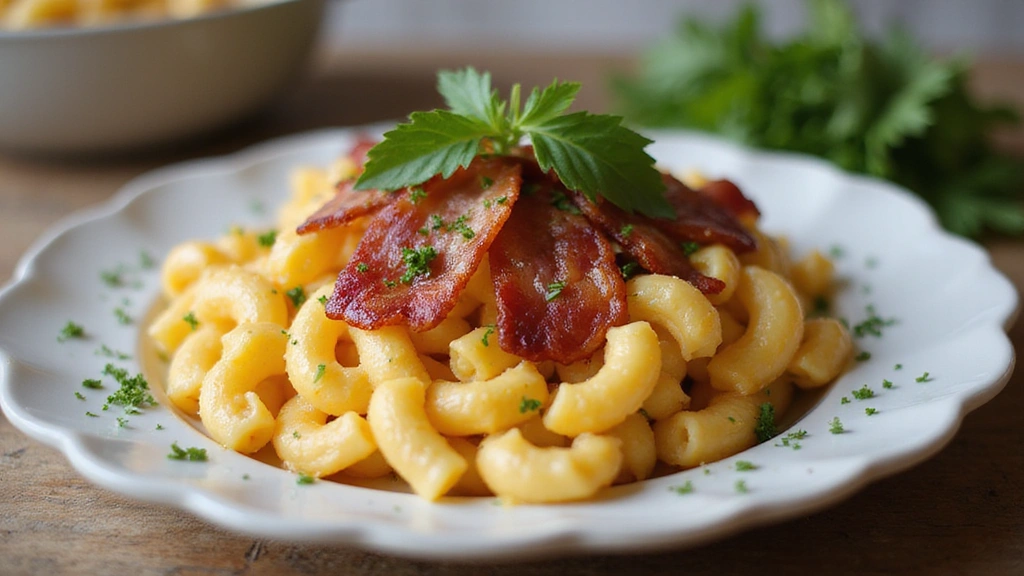
Mac and Cheese with Bacon is the ultimate comfort food that brings a smoky, crispy twist to a classic dish.
Imagine creamy, cheesy pasta intertwined with the savory crunch of crispy bacon—it’s a flavor combination that’s hard to resist.
I first fell in love with this dish during a fall harvest festival, where the chill in the air made its warmth even more inviting.
Whether you’re looking to impress guests or simply enjoy a cozy meal at home, this recipe promises a satisfying experience.
It’s a perfect blend of textures and tastes that will have everyone reaching for seconds.
Get ready for a dish that combines nostalgia with a modern twist in the most delicious way.
The History and Cultural Significance
• Mac and Cheese traces its origins to medieval France, where it was originally created by merging pasta with Parmesan cheese.
• The dish evolved over decades as cheddar cheese and creamy sauces were introduced, eventually becoming the beloved version we know today.
• In American culture, this dish traditionally appears at Thanksgiving dinners, symbolizing warmth and togetherness.
• While many variations exist across different regions, the authentic version maintains a creamy texture and cheesy flavor that sets it apart from imitations.
Recipe Overview
Nutritional Information (per serving)
Essential Equipment Guide
Large Pot: Essential for boiling pasta to the perfect al dente texture, ensuring even cooking. A heavy-bottomed pot helps maintain a consistent temperature and prevents sticking.
Skillet: Important for cooking bacon to a crispy perfection. A cast-iron skillet retains heat well and provides an even cooking surface.
Baking Dish: Necessary for baking the combined ingredients to meld flavors together. A ceramic or glass dish provides even heat distribution and a beautiful presentation.
Ingredients
For the Base
|
|
| Amount | Ingredient | Notes |
|---|---|---|
| 3 cups | elbow macaroni | cooked al dente |
| 8 slices | bacon | cooked crispy and crumbled |
For the Sauce
| Amount | Ingredient | Notes |
|---|---|---|
| 4 tablespoons | butter | unsalted, adds richness |
| 1/4 cup | all-purpose flour | thickens the sauce |
| 3 cups | milk | whole, for creaminess |
| 2 cups | cheddar cheese | shredded, sharp for bold flavor |
Seasonings
| Amount | Ingredient | Notes |
|---|---|---|
| 1 teaspoon | smoked paprika | adds smoky depth |
| 1 teaspoon | salt | enhances flavor |
| 1/2 teaspoon | black pepper | freshly ground, adds spice |
Preparation Methods
Roux Preparation: Creating a roux with butter and flour is a key technique for thickening the cheese sauce. Stir continuously over medium heat until it achieves a light golden color for the best consistency.
Bacon Crisping: Cooking bacon until crispy is crucial for adding texture. Use medium heat and flip occasionally to ensure even browning without burning.
Cheese Melting: Gradually adding cheese to the sauce prevents clumping. Stir constantly over low heat to achieve a smooth, velvety texture.
Step 1: Prepare Ingredients
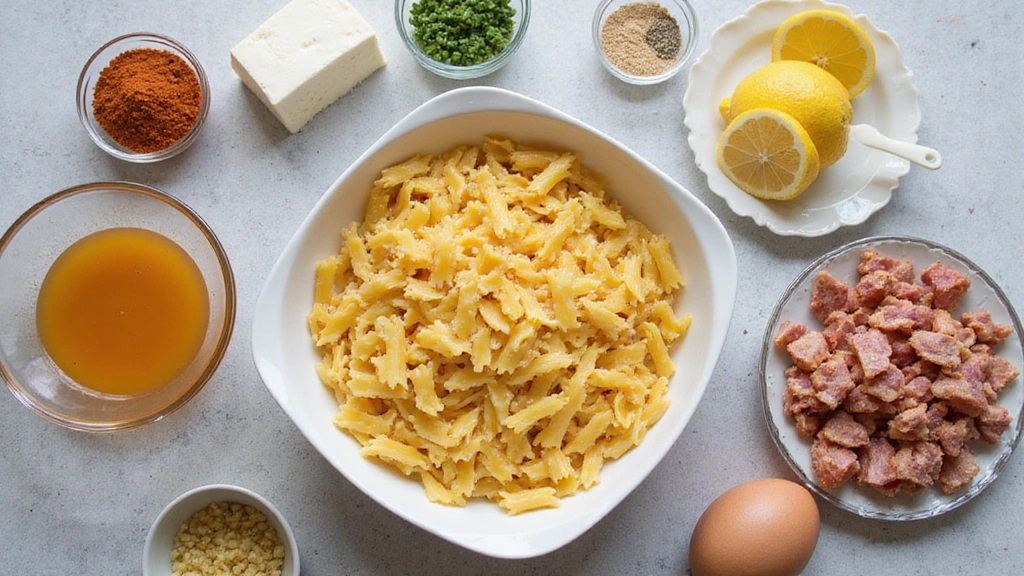
Gather all ingredients and equipment.
Cook the elbow macaroni in boiling salted water until al dente.
Drain the pasta and set it aside.
Ensure bacon is cooked crispy and crumbled for later use.
Step 2: Create the Roux
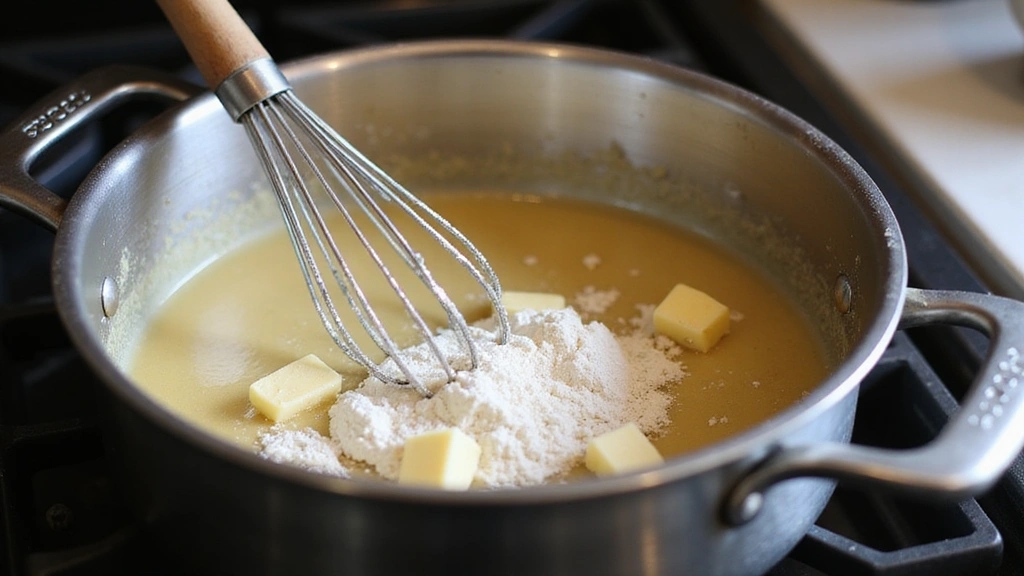
Melt the butter in a large pot over medium heat.
Add the flour and whisk continuously to form a smooth paste.
Cook for about 2 minutes until the roux turns a light golden brown.
Avoid letting it darken too much to prevent a burnt taste.
Step 3: Make the Cheese Sauce
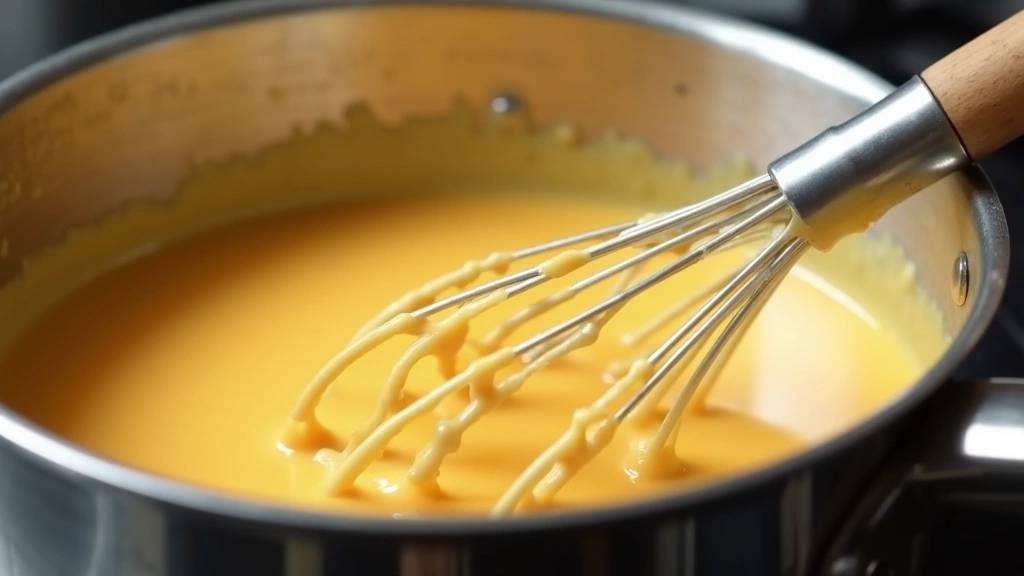
Gradually pour in the milk, whisking constantly to prevent lumps.
Bring the mixture to a simmer and cook until thickened.
Reduce the heat to low and slowly add the shredded cheddar cheese.
Stir continuously until the cheese is fully melted and the sauce is smooth.
Step 4: Season the Sauce
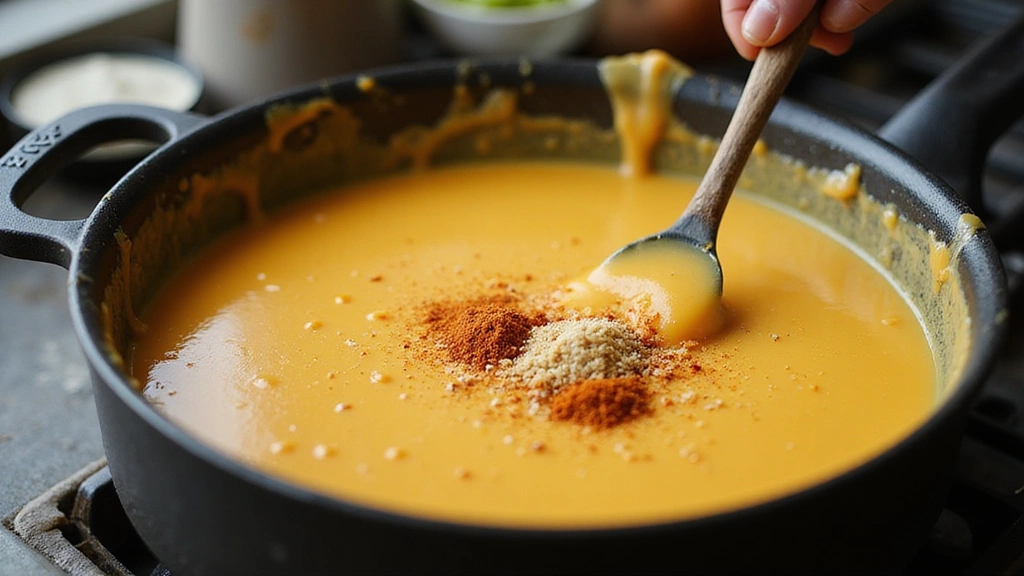
Add the smoked paprika, salt, and black pepper to the cheese sauce.
Stir well to incorporate the seasonings throughout the sauce.
Taste and adjust the seasoning if necessary.
Ensure the sauce has a balanced flavor profile with a smoky undertone.
Step 5: Combine with Pasta
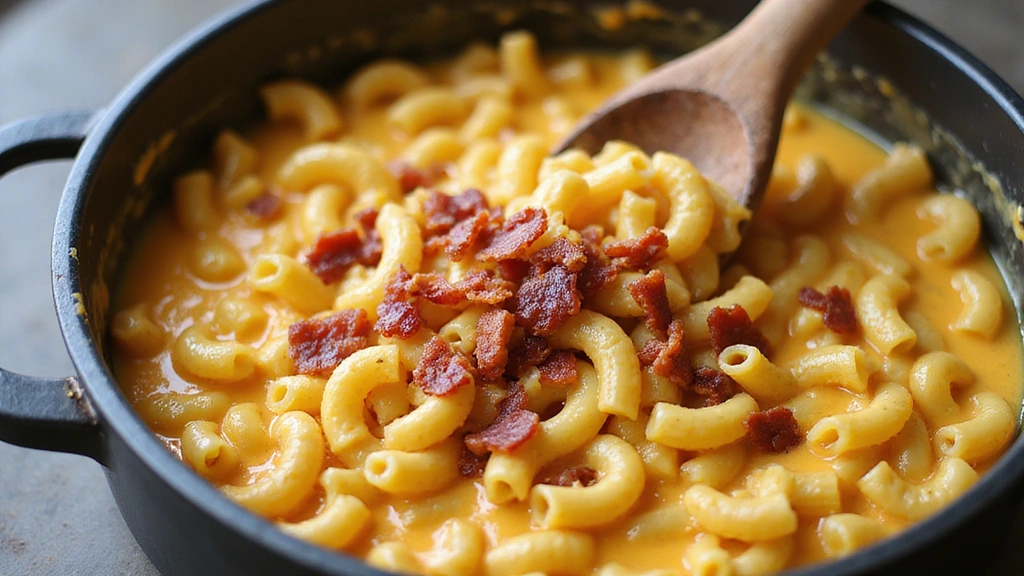
Add the cooked macaroni to the cheese sauce.
Stir gently to evenly coat the pasta with the sauce.
Mix in half of the crumbled bacon for added flavor.
Ensure the pasta is thoroughly covered with the sauce.
Step 6: Transfer to Baking Dish

Preheat your oven to 350°F (175°C).
Transfer the mac and cheese mixture to a greased baking dish.
Spread it evenly across the dish surface.
Sprinkle the remaining bacon on top for a crispy finish.
Step 7: Bake the Dish

Place the baking dish in the preheated oven.
Bake for 20-25 minutes or until the top is golden and bubbling.
Check for a crispy bacon topping as an indicator of doneness.
Avoid overbaking to prevent drying out the pasta.
Step 8: Serve and Enjoy
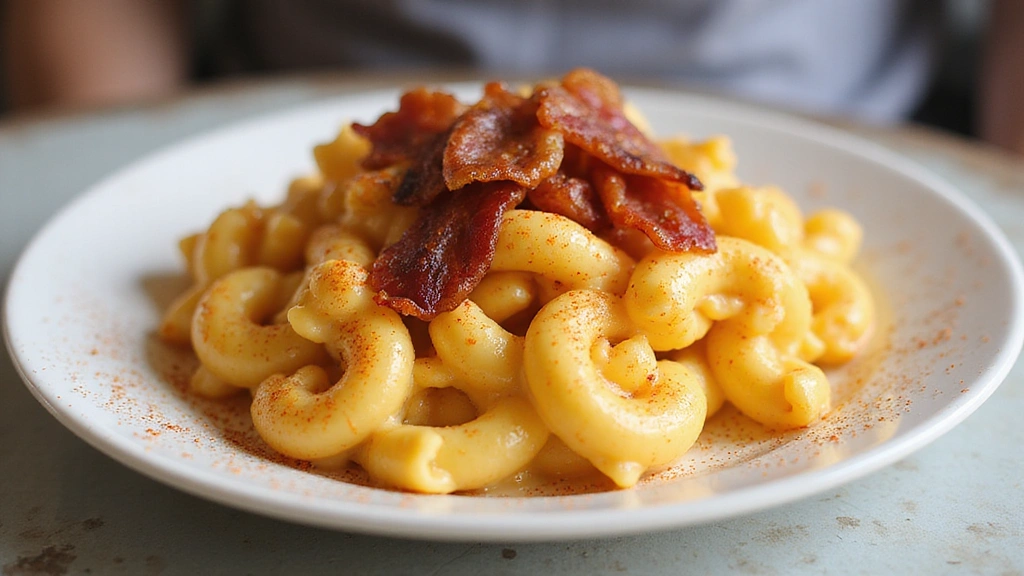
Remove the dish from the oven and allow it to cool slightly.
Scoop individual servings onto plates or bowls.
Garnish with additional smoked paprika if desired.
Serve hot and enjoy the smoky, cheesy goodness.
Critical Timing and Temperature Guide
Pasta Cooking: Cook the pasta for exactly 7-8 minutes in boiling water until al dente. Overcooking can lead to mushy pasta that won't hold up in the sauce.
Roux Preparation: Cook the roux for 2 minutes until light golden brown. Watch for a nutty aroma and avoid darkening to prevent bitterness.
Baking Time: Bake at 350°F for 20-25 minutes. Look for a bubbling top and crispy bacon, but avoid overbaking to keep the dish creamy.
Pro Tips for Mac and Cheese
• Ingredient Selection: Choose sharp cheddar for its bold flavor that stands out in the dish.
• Preparation Secret: Toast the flour slightly in the roux to enhance the nutty flavor without burning.
• Temperature Management: Use room temperature milk to prevent the cheese sauce from clumping.
• Texture Enhancement: Stir pasta gently to avoid breaking and ensure even coating with sauce.
• Flavor Layering: Incorporate smoked paprika to add depth and complement the bacon's smokiness.
• Make-Ahead Strategies: Prepare the sauce and pasta separately; combine just before baking for best texture.
• Restaurant-Quality Finishing Touches: Sprinkle freshly chopped herbs like parsley on top for a fresh pop of color.
• Equipment Optimization: Use a wide skillet to cook bacon evenly and prevent overcrowding.
Troubleshooting Common Issues
• Texture Too Dense: Caused by overcooked pasta. Ensure you cook pasta al dente and avoid overcrowding in the baking dish.
• Flavors Unbalanced: Often due to insufficient seasoning. Always taste the sauce before combining it with pasta to adjust spices.
• Cheese Sauce Too Thick: Resulting from too much flour in the roux. Gradually add more milk to thin out the sauce.
• Bacon Not Crispy: Caused by low cooking temperature. Cook in a preheated skillet over medium heat for even browning.
• Sauce Separation: Happens if cheese is added too quickly. Lower the heat and add cheese gradually while stirring constantly.
Variations and Regional Differences
• Southern Style: Features a blend of cheeses like Gouda and Monterey Jack, with a breadcrumb topping for added crunch.
• New England Version: Includes lobster chunks for a luxurious twist, highlighting the region's seafood heritage.
• Italian Influence: Uses Parmesan and mozzarella cheeses with a touch of nutmeg in the sauce for a unique flavor.
• Vegetarian Adaptation: Replaces bacon with smoked mushrooms for a similar smoky taste without meat.
Food Science Behind the Recipe
• Cheese Melting: Proteins in cheese melt smoothly when heated evenly, creating a creamy sauce. Understanding this helps achieve the perfect texture.
• Roux Thickening: The starch in flour gelatinizes at specific temperatures, thickening the sauce. Mastering this ensures a stable sauce.
• Pasta Absorption: Cooking pasta al dente allows it to absorb flavors and maintain structure when baked, enhancing the dish's texture.
Frequently Asked Questions
What's the most common mistake people make when preparing Mac and Cheese with Bacon? Overcooking the pasta, leading to a mushy texture, is a common issue. Always aim to cook pasta until just al dente.
Can I use pre-shredded cheese? While convenient, pre-shredded cheese often contains additives that prevent smooth melting. Freshly shredded cheese is recommended for best results.
How can I make this dish gluten-free? Substitute the all-purpose flour with a gluten-free flour blend for the roux and use gluten-free pasta.
Is it possible to make this recipe vegetarian? Yes, replace the bacon with smoked mushrooms or vegetarian bacon alternatives for a similar flavor profile.
How can I make the dish less rich? Use reduced-fat cheese and milk, and consider adding steamed vegetables like broccoli for balance.
Can I prepare this dish in advance? Yes, prepare the sauce and pasta separately, then combine and bake just before serving for optimal texture.
What other cheeses can I use? Experiment with a mix of cheeses like Gruyère, fontina, or pepper jack for varied flavors.
Serving and Presentation Guide
• Traditional Presentation: Serve in individual ramekins with a sprinkle of fresh parsley on top for a classic look.
• Family-Style Serving: Present in a large baking dish placed at the center of the table for communal dining.
• Gourmet Touch: Garnish with a drizzle of truffle oil and shaved Parmesan for an upscale twist.
• Casual Gathering: Serve in disposable cups for easy handling at parties or picnics.
Conclusion
Mac and Cheese with Bacon is a quintessential comfort dish that combines creamy, cheesy pasta with crispy, smoky bacon.
This recipe is a delightful blend of flavors and textures, perfect for any occasion.
Give it a try and experience the joy of a homemade meal that warms both the heart and soul.