

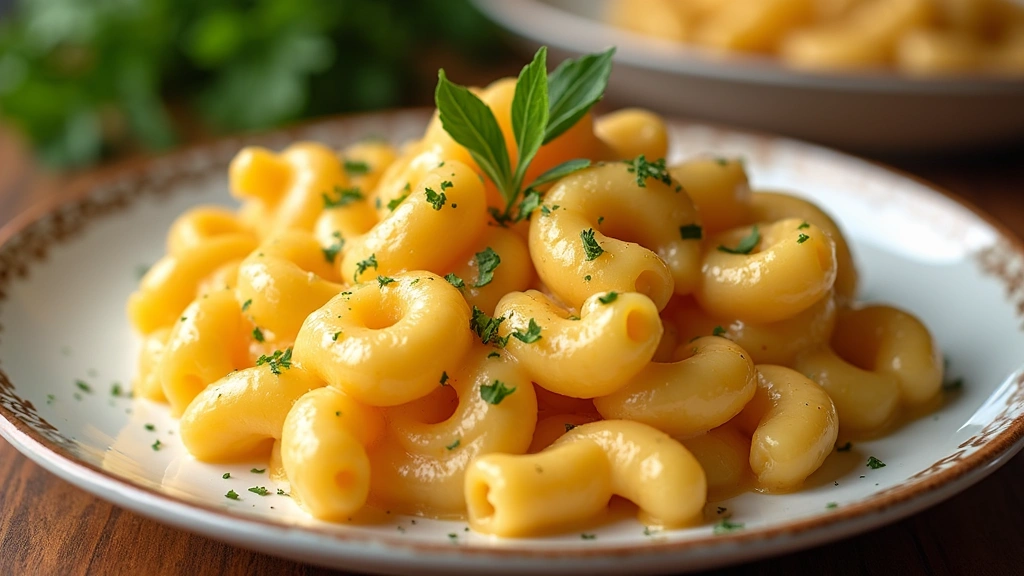
Few dishes evoke the warmth of home like a steaming bowl of Velveeta Mac and Cheese.
With its creamy, smooth texture and rich cheese flavor, it’s a comfort food staple that never disappoints.
I first encountered this dish at a family gathering, where it was the star of the table, bringing smiles to everyone.
This recipe promises the perfect blend of nostalgia and satisfaction, with a modern twist that enhances its classic appeal.
Whether it’s a weeknight dinner or a cozy weekend treat, Velveeta Mac and Cheese is sure to become a favorite in your household.
The History and Cultural Significance
• Velveeta Mac and Cheese traces its origins to the early 20th century in America, where it was originally created as an affordable, convenient meal option.
• The dish evolved over decades as cheese processing improved, eventually becoming the beloved version we know today.
• In American culture, this dish traditionally appears at family dinners, potlucks, and holiday gatherings, symbolizing warmth and togetherness.
• While many variations exist across different regions, the authentic version maintains its creamy, melty texture that sets it apart from imitations.
Recipe Overview
Nutritional Information (per serving)
Essential Equipment Guide
Large Pot: A large pot is essential for boiling pasta evenly and preventing it from sticking. A stainless steel or non-stick option works well, and it should have a capacity of at least 4 quarts.
Whisk: A whisk is crucial for creating a smooth cheese sauce, ensuring all ingredients are well combined. A silicone-coated whisk is ideal to avoid scratching non-stick surfaces.
Baking Dish: If you plan to bake the mac and cheese for a crispy top, a ceramic or glass baking dish distributes heat evenly. Choose one that holds at least 2 quarts for the perfect bake.
Ingredients
For the Base
|
|
| Amount | Ingredient | Notes |
|---|---|---|
| 10 ounces | elbow macaroni | cooked al dente |
For the Sauce
| Amount | Ingredient | Notes |
|---|---|---|
| 8 ounces | Velveeta cheese | cubed, melts smoothly |
| 2 cups | milk | adds creaminess |
| 2 tablespoons | butter | richness and flavor |
Seasonings
| Amount | Ingredient | Notes |
|---|---|---|
| 1 teaspoon | salt | enhances taste |
| 1 teaspoon | ground mustard | adds subtle tang |
| 1 teaspoon | black pepper | for a hint of spice |
Preparation Methods
Making a Roux: A roux is the foundation for a smooth cheese sauce. It involves cooking flour and fat together, which thickens the sauce and prevents clumping.
Melting Cheese: Properly melting cheese is key to a silky sauce. Cut cheese into small cubes and melt over low heat, stirring continuously to avoid separation.
Combining Pasta and Sauce: Gently fold the pasta into the sauce to ensure even coating. This technique prevents pasta from breaking and keeps the texture intact.
Step 1: Boil the Pasta
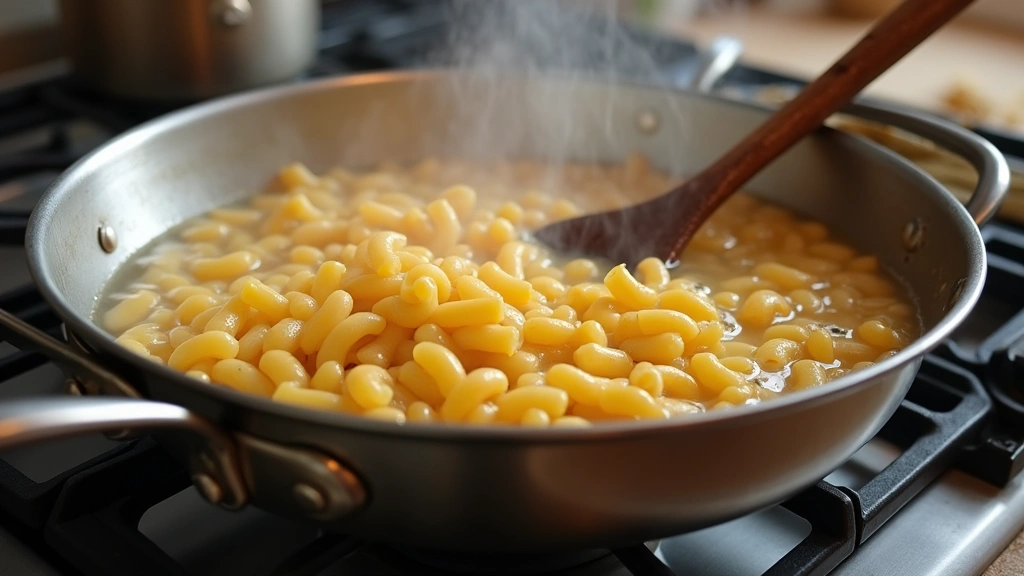
Fill a large pot with water and bring it to a rolling boil.
Add a generous amount of salt to the boiling water.
Stir in the elbow macaroni and cook until al dente, about 8 minutes.
Drain the pasta and set aside, reserving a bit of the pasta water.
Step 2: Prepare the Cheese Sauce

In a separate saucepan, melt the butter over medium heat.
Whisk in the ground mustard, salt, and black pepper until well combined.
Slowly pour in the milk, whisking constantly to prevent lumps.
Continue to cook until the mixture thickens slightly, about 3 minutes.
Step 3: Add Velveeta Cheese
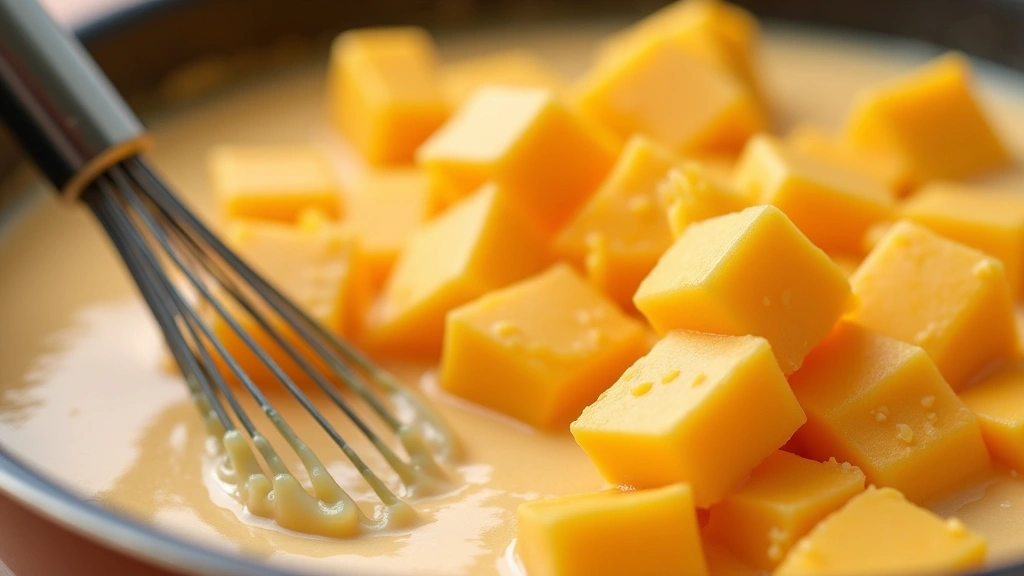
Reduce the heat to low and add the cubed Velveeta cheese to the saucepan.
Stir continuously until the cheese is completely melted and the sauce is smooth.
If the sauce is too thick, add a splash of reserved pasta water to reach the desired consistency.
Taste and adjust the seasoning if necessary.
Step 4: Combine Pasta and Sauce
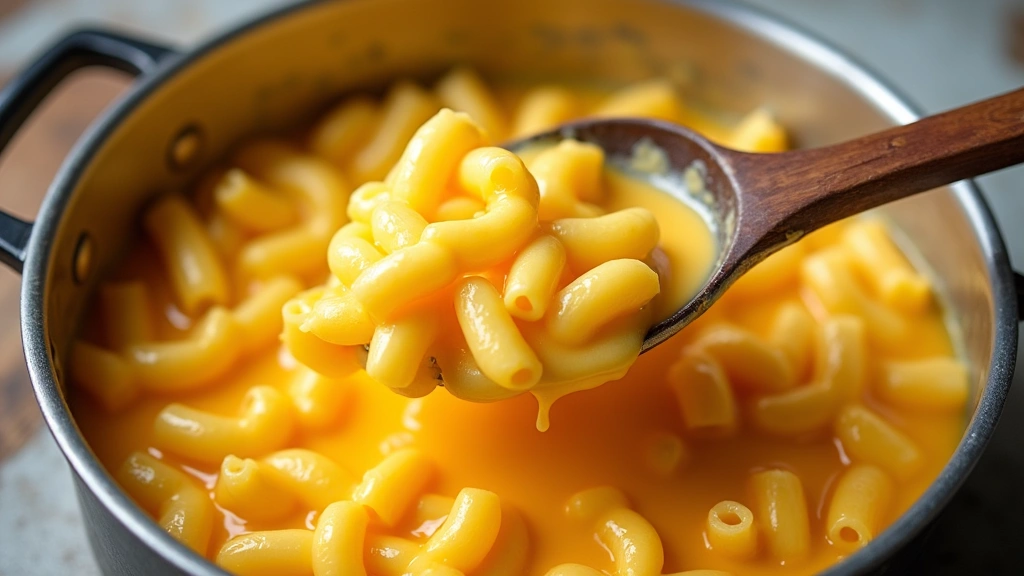
Pour the cheese sauce over the cooked macaroni in the pot.
Gently fold the pasta into the sauce until all pieces are evenly coated.
Ensure the sauce clings to the pasta for a rich, creamy texture.
If desired, add more black pepper for extra flavor.
Step 5: Preheat the Oven
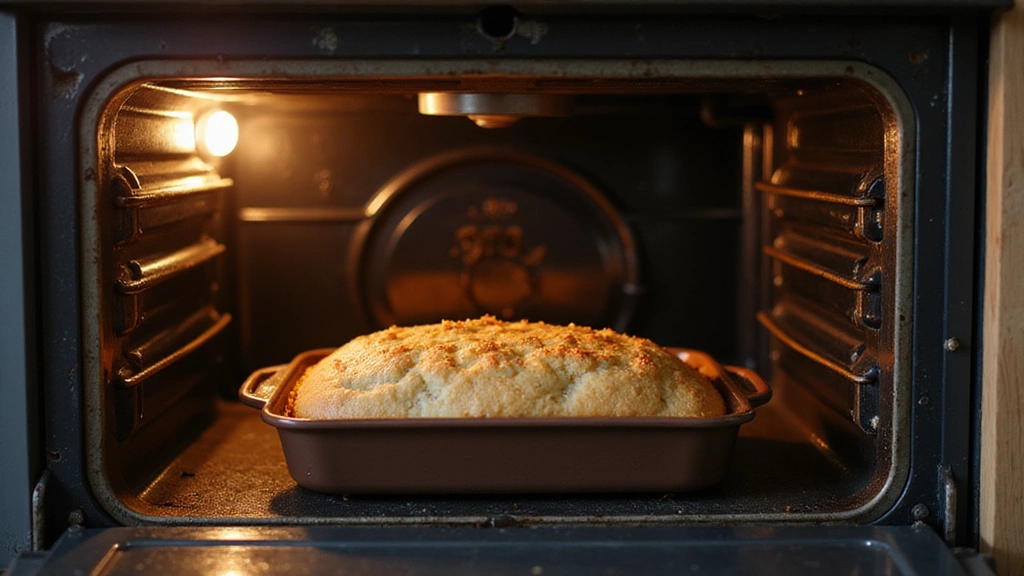
Preheat your oven to 350°F (175°C) if you plan to bake the mac and cheese.
This step is optional but adds a delicious crust to the top.
Ensure the oven rack is positioned in the middle for even baking.
Gather a 2-quart baking dish for the next step.
Step 6: Transfer to Baking Dish
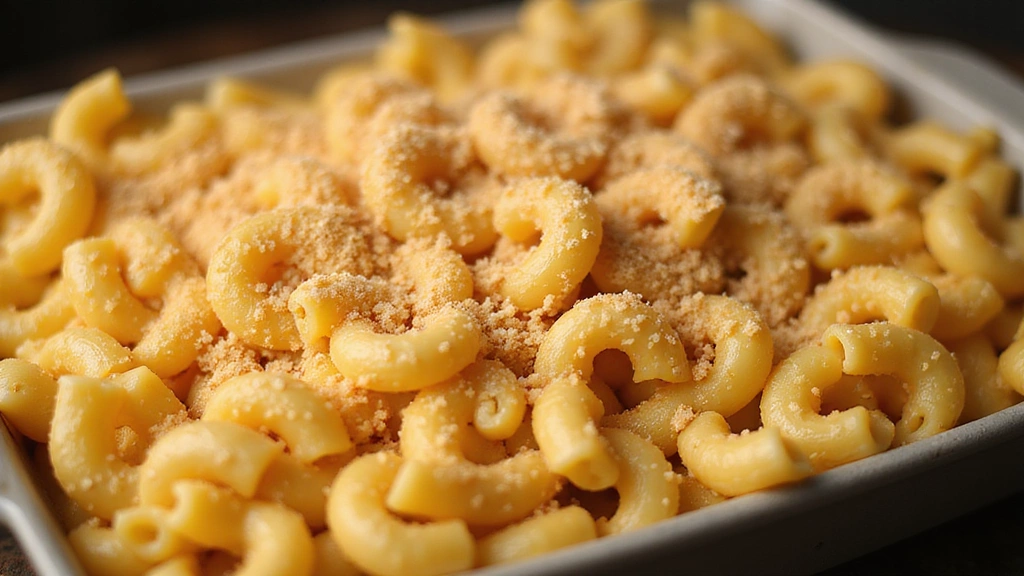
Lightly grease a 2-quart baking dish with butter or cooking spray.
Spoon the macaroni and cheese mixture into the prepared dish.
Smooth the top with a spatula for even baking.
Optionally, sprinkle breadcrumbs on top for a crunchy finish.
Step 7: Bake the Mac and Cheese
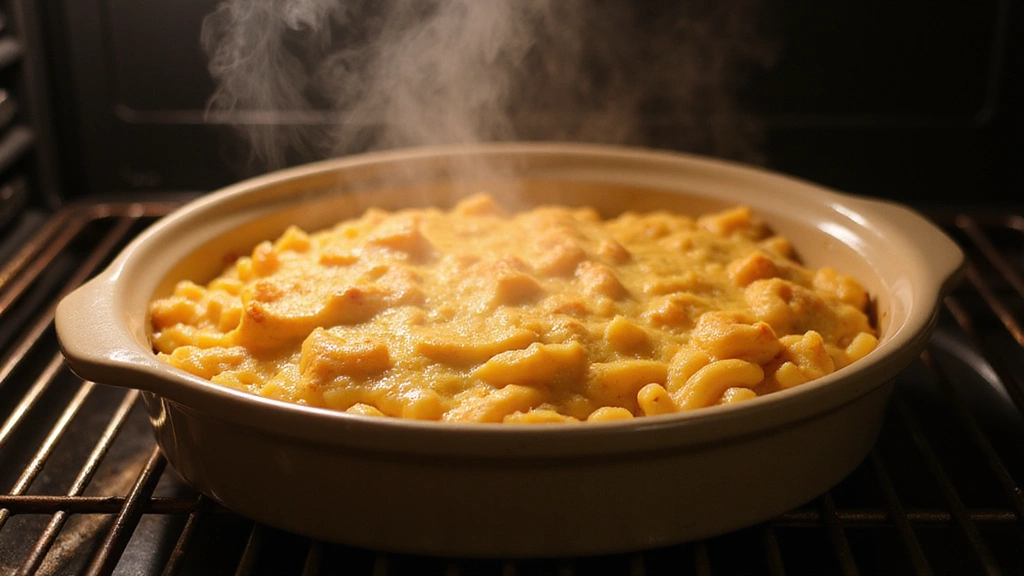
Place the baking dish in the preheated oven.
Bake for 15-20 minutes until the top is golden brown and bubbly.
Check the center to ensure it's heated through.
Remove from the oven and let it cool slightly before serving.
Step 8: Serve and Enjoy
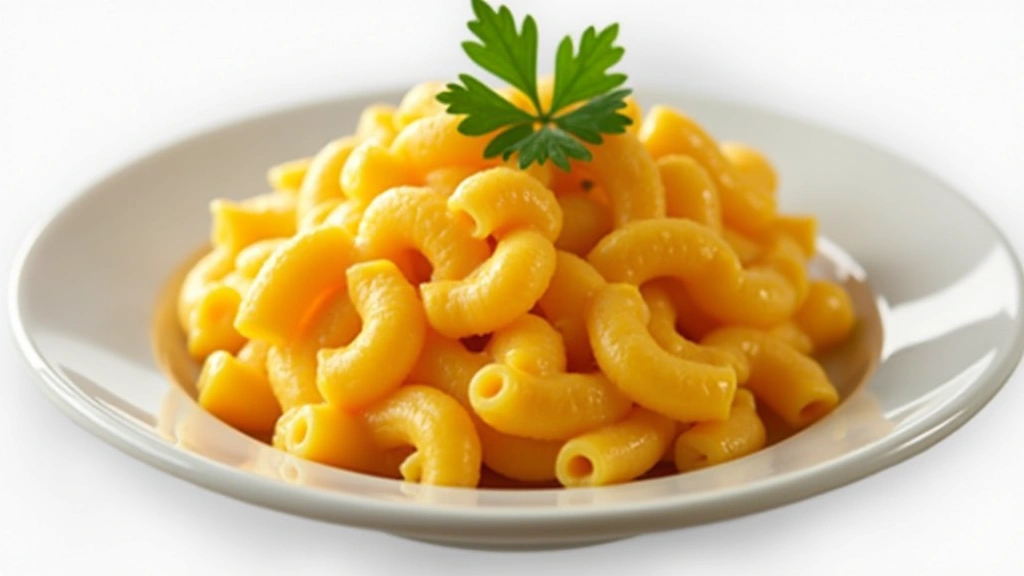
Carefully scoop portions of the mac and cheese onto serving plates.
Garnish with chopped parsley for a pop of color.
Serve immediately while warm and gooey.
Enjoy the rich, creamy texture with every bite.
Critical Timing and Temperature Guide
Boiling Pasta: Ensure the water is at a rolling boil before adding pasta. Cook for exactly 8 minutes for al dente texture. Avoid overcooking to prevent mushy pasta.
Melting Cheese: Keep the heat low when melting Velveeta to avoid splitting. Stir continuously for a smooth sauce. Avoid overheating, which causes separation.
Baking: Bake at 350°F (175°C) for 15-20 minutes. Look for a golden crust and bubbling edges. Avoid baking too long, which can dry out the dish.
Pro Tips for Velveeta Mac and Cheese
• Ingredient Selection: Choose high-quality Velveeta for the best melt. Fresh milk enhances creaminess, so avoid alternatives.
• Preparation Secret: Adding a splash of pasta water to the sauce enhances its silkiness and helps it cling to the pasta.
• Temperature Management: Melt cheese over low heat for a smooth, lump-free sauce. High heat causes curdling.
• Texture Enhancement: For an ultra-creamy texture, mix in a dollop of sour cream before serving.
• Flavor Layering: Incorporate a pinch of nutmeg for depth and complexity in the sauce.
• Make-Ahead Strategies: Assemble the dish, cover tightly, and refrigerate for up to 24 hours. Bake before serving.
• Restaurant-Quality Finishing Touches: Grate fresh Parmesan on top before baking for a crispy, cheesy crust.
• Equipment Optimization: Use a non-stick saucepan for easy sauce preparation and cleanup.
Troubleshooting Common Issues
• Cheese Sauce Too Thick: This occurs when there's not enough liquid. Gradually add more milk while stirring over low heat until desired consistency is reached.
• Pasta Overcooked: Recognize by mushy texture. Always cook pasta to al dente and rinse with cold water to stop cooking.
• Sauce Separating: Caused by high heat. Melt cheese over low heat and stir continuously to keep the sauce emulsified.
• Flavor Lacking: Insufficient seasoning can cause blandness. Taste and adjust salt, pepper, and mustard as needed.
• Dry Mac and Cheese: Insufficient sauce ratio. Ensure pasta is well coated before baking, and add a splash of milk if necessary.
• Burnt Top: Occurs if the oven is too hot or baked too long. Bake at the recommended temperature and check frequently.
Variations and Regional Differences
• Southern Style: This version incorporates spicy sausage and bell peppers for a hearty, flavorful twist.
• New England Variation: Adds lobster chunks and a sprinkle of Old Bay seasoning for a luxurious touch.
• Midwestern Classic: Includes a crunchy breadcrumb topping and sharp cheddar for extra flavor.
• Vegetarian Version: Features roasted vegetables like broccoli and tomatoes for added nutrition and color.
Food Science Behind the Recipe
• Emulsification: The blending of fat and water in the cheese sauce creates a stable, creamy texture by suspending fat particles evenly.
• Starch Gelatinization: As pasta cooks, starches absorb water, swell, and create the familiar al dente bite, crucial for texture in the final dish.
• Protein Denaturation: The heating of milk and cheese causes proteins to unfold and form a network, thickening the sauce and creating creaminess.
Frequently Asked Questions
What's the most common mistake people make when preparing Velveeta Mac and Cheese? Overheating the cheese sauce, which causes it to become grainy and separate. Always melt cheese over low heat.
Can I use a different type of pasta? Yes, you can substitute with shells, penne, or any pasta that holds sauce well.
How can I add more flavor to the dish? Adding garlic powder, onion powder, or smoked paprika can enhance the depth of flavor.
Is it possible to make this dish gluten-free? Substitute regular pasta with gluten-free pasta and ensure all other ingredients are gluten-free.
Can I make this dish ahead of time? Yes, prepare and assemble the dish, then refrigerate. Bake just before serving for best results.
How do I prevent the top from burning? Cover with foil if the top browns too quickly. Remove foil in the last few minutes to crisp.
What can I do if my sauce is too runny? Let it simmer a bit longer to thicken or add a small amount of cornstarch mixed with water.
Serving and Presentation Guide
• Traditional Presentation: Serve in a deep dish with a sprinkle of fresh parsley for a classic look and added freshness.
• Family Style: Present in a large casserole dish at the center of the table, allowing guests to serve themselves.
• Individual Portions: Use ramekins for single servings, topped with extra cheese for a personal touch.
• Garnished Elegance: Add a drizzle of truffle oil and a dusting of grated nutmeg for a sophisticated finish.
Conclusion
With its creamy, cheesy perfection, Velveeta Mac and Cheese is a dish that promises comfort and satisfaction.
This recipe offers an easy yet impressive way to bring smiles to your dining table.
Try it today and experience the joy of homemade comfort food at its best.