

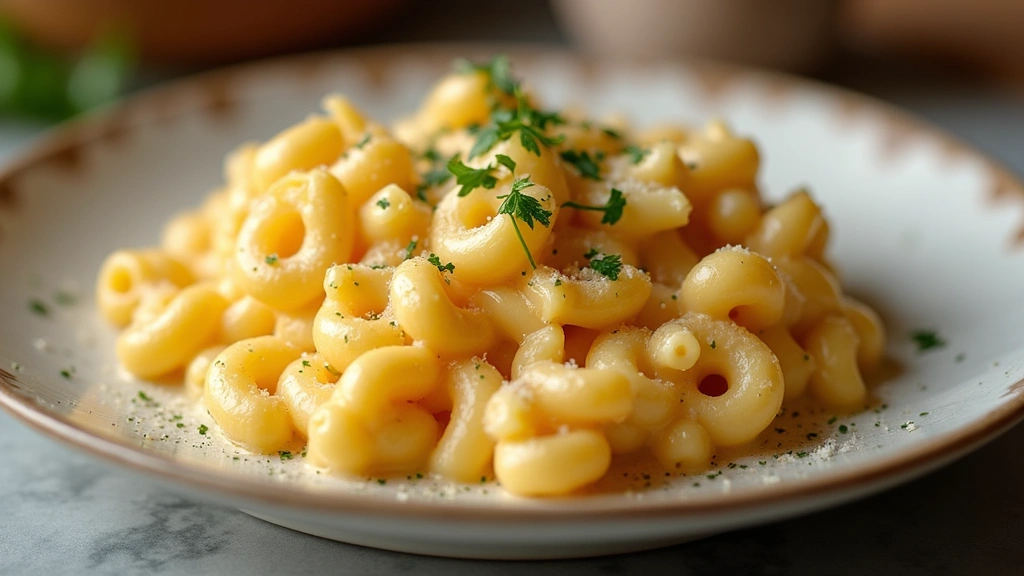
There’s something magical about the creamy, cheesy comfort of a classic Mac and Cheese with evaporated milk.
The rich and velvety texture, combined with a deep cheesy flavor, creates a dish that’s pure nostalgia.
I first tasted this version of Mac and Cheese at a family gathering, where it won everyone over with its delightful simplicity.
This recipe promises to deliver a heartwarming experience, perfect for any occasion.
Whether you’re cozying up in the winter or celebrating a special event, this dish is sure to impress.
With just a few simple ingredients and steps, you’ll create a masterpiece that speaks to the heart.
The History and Cultural Significance
• Mac and Cheese traces its origins to Italy in the 13th century, where it was originally created as a simple pasta and cheese dish.
• The dish evolved over decades as it traveled through Europe, eventually becoming popularized in the United States with the addition of evaporated milk for creaminess.
• In American culture, this dish traditionally appears at family gatherings and holiday dinners, symbolizing comfort and togetherness.
• While many variations exist across different regions, the authentic version maintains a creamy texture and cheesy flavor that sets it apart from imitations.
Recipe Overview
Nutritional Information (per serving)
Essential Equipment Guide
Large Pot: A large pot is crucial for boiling the pasta evenly and preventing clumps. Alternatives like a Dutch oven can also work well due to their even heat distribution.
Whisk: A whisk is essential for achieving a smooth cheese sauce without lumps. Look for a sturdy whisk with a comfortable grip.
Baking Dish: A baking dish is necessary for the final bake, allowing the top to crisp perfectly. Glass or ceramic dishes are ideal for even baking.
Ingredients
For the Base
|
|
| Amount | Ingredient | Notes |
|---|---|---|
| 12 ounces | elbow macaroni | cooked al dente |
For the Sauce
| Amount | Ingredient | Notes |
|---|---|---|
| 1 can | evaporated milk | adds creaminess |
| 2 cups | cheddar cheese | shredded, provides flavor |
| 1 cup | mozzarella cheese | shredded, enhances texture |
| 2 tablespoons | butter | for richness |
Seasonings
| Amount | Ingredient | Notes |
|---|---|---|
| 1 teaspoon | salt | enhances flavor |
| 0.5 teaspoon | black pepper | adds warmth |
| 0.25 teaspoon | nutmeg | for depth |
Preparation Methods
Boiling Pasta Al Dente: Boiling pasta to al dente is crucial for maintaining texture when baked. Cook the pasta until it is firm to the bite, typically a minute less than package instructions. Test frequently to avoid overcooked, mushy pasta.
Making a Cheese Sauce: Achieving a smooth cheese sauce requires patience. Gradually add cheese to the hot milk and whisk constantly to prevent clumping. Keep the heat low to avoid curdling.
Baking for Texture: Baking the mac and cheese creates a delightful crust on top. Ensure the dish is evenly spread in the baking dish and bake until the top is golden brown. This step adds a contrasting texture to the creamy interior.
Step 1: Prepare Ingredients
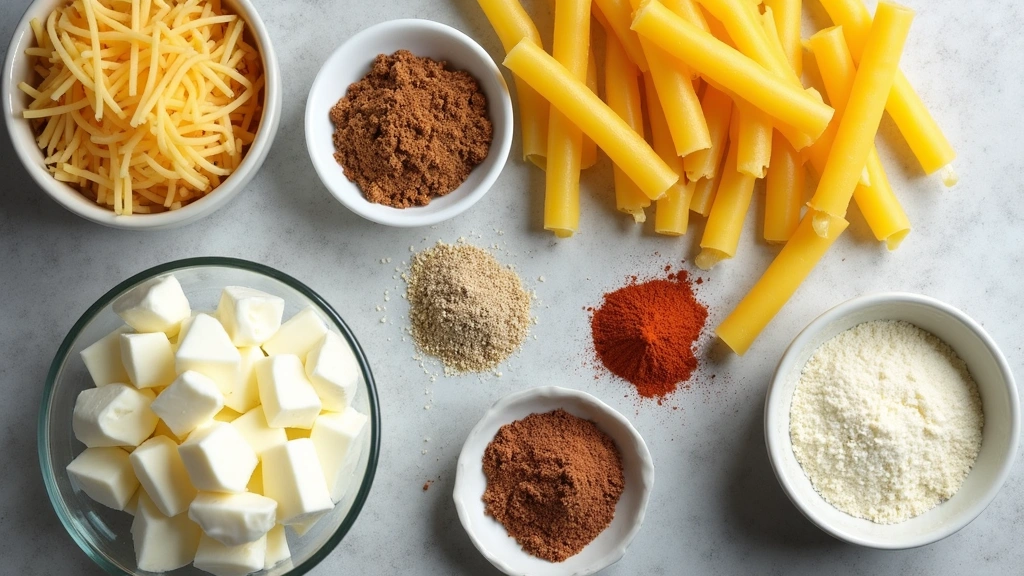
Start by gathering all your ingredients to ensure you have everything on hand.
Measure out the pasta, cheeses, and seasonings accurately.
This preparation step will streamline the cooking process.
Having ingredients ready helps maintain a smooth workflow.
Step 2: Cook the Pasta
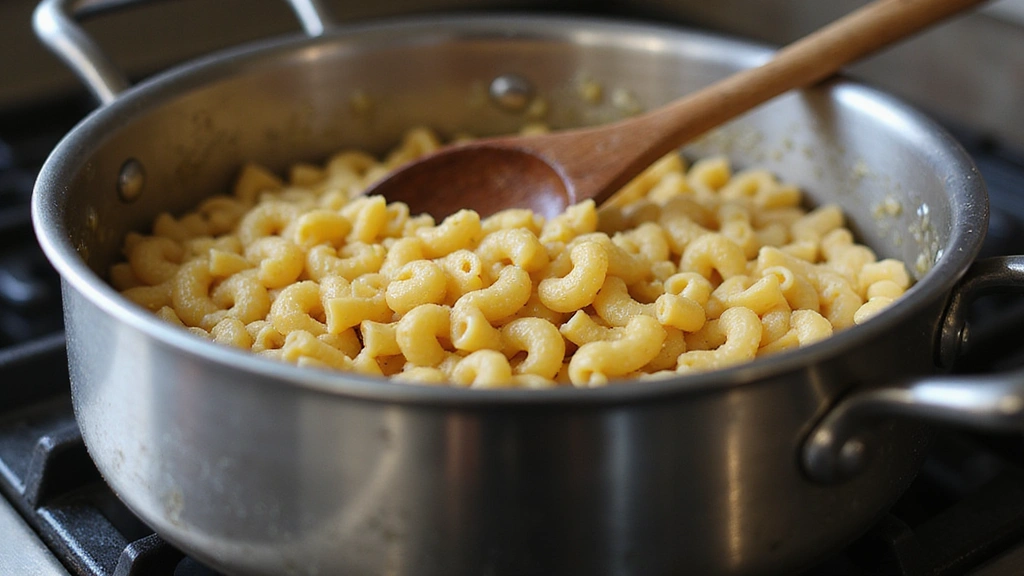
Fill a large pot with water and bring it to a boil over high heat.
Add a pinch of salt to the water to enhance the pasta's flavor.
Cook the macaroni until al dente, which should take about 7-8 minutes.
Drain the pasta and set it aside, ensuring it doesn't overcook.
Step 3: Make the Cheese Sauce
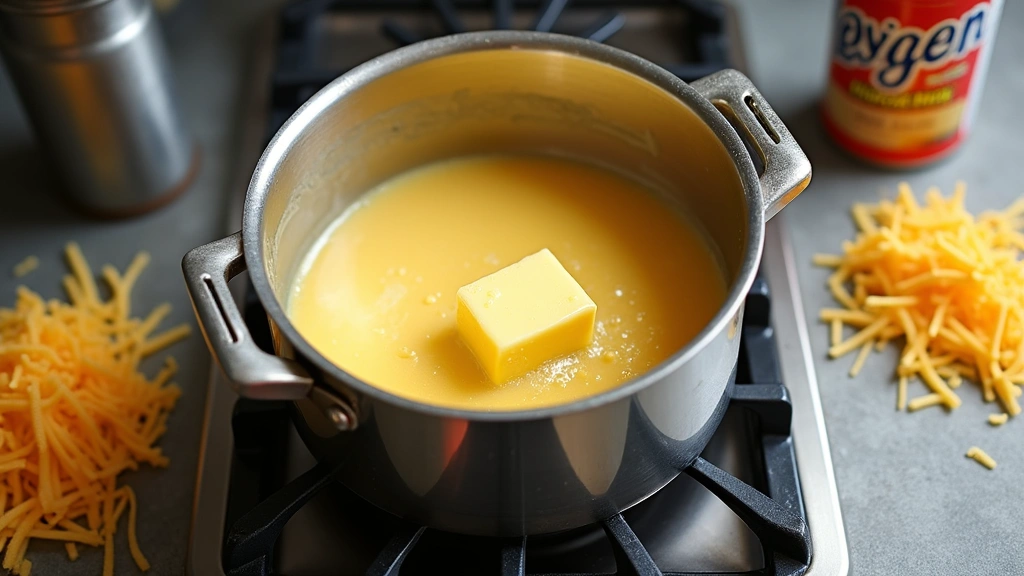
In a separate pot, melt the butter over medium heat.
Add the evaporated milk and stir until combined.
Gradually introduce the cheddar and mozzarella cheese, whisking continuously.
Ensure the sauce is smooth and thick without any lumps.
Step 4: Season the Sauce
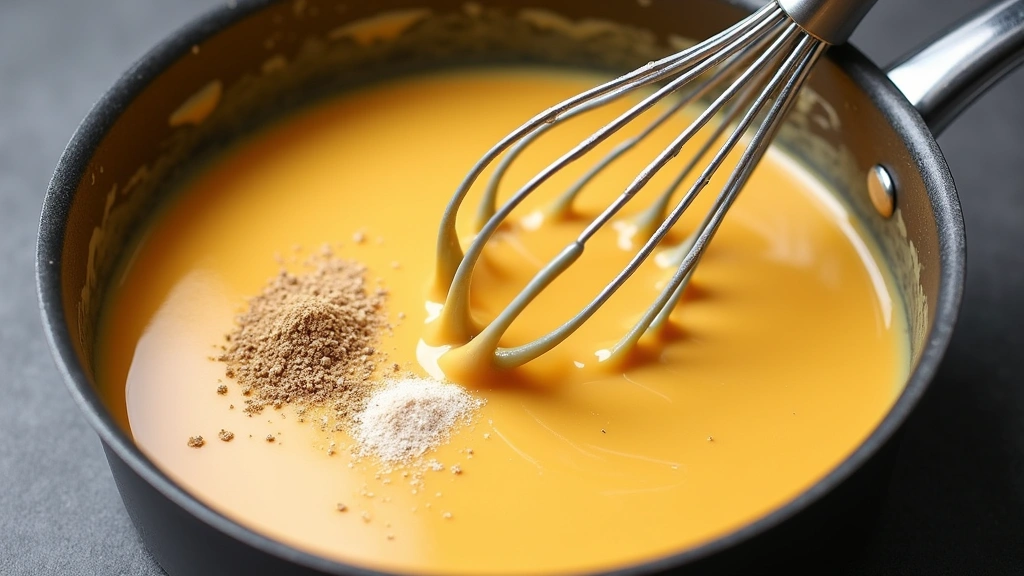
Add salt, black pepper, and nutmeg to the cheese sauce.
Stir well to incorporate the seasonings evenly throughout the sauce.
Taste the sauce to adjust seasonings if necessary.
The sauce should be flavorful with a hint of warmth from the spices.
Step 5: Combine Pasta and Sauce
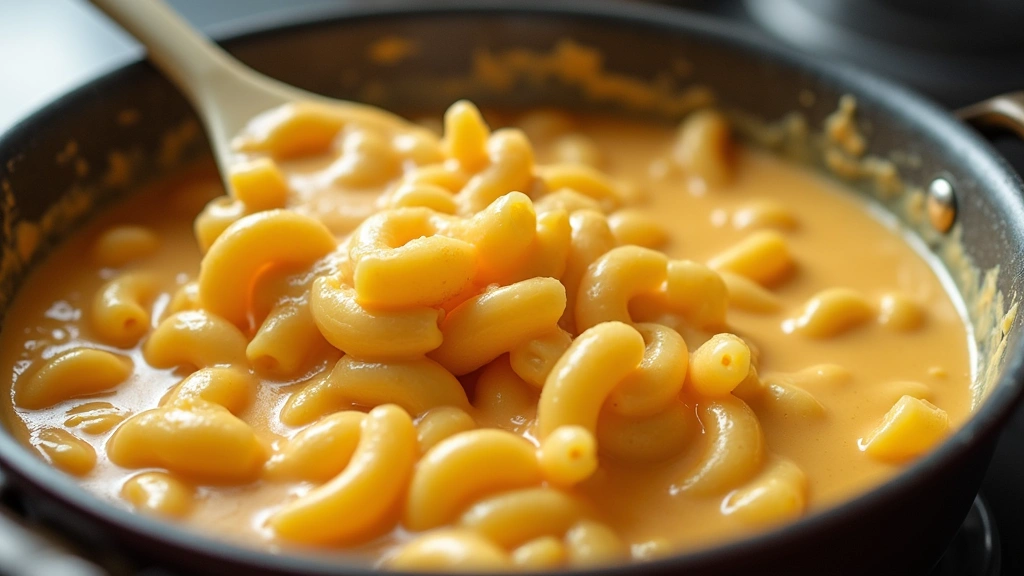
Transfer the cooked pasta into the cheese sauce pot.
Gently fold the pasta into the sauce using a spatula or spoon.
Ensure every piece of pasta is well-coated with the sauce.
This step ensures a uniform distribution of flavors.
Step 6: Preheat the Oven
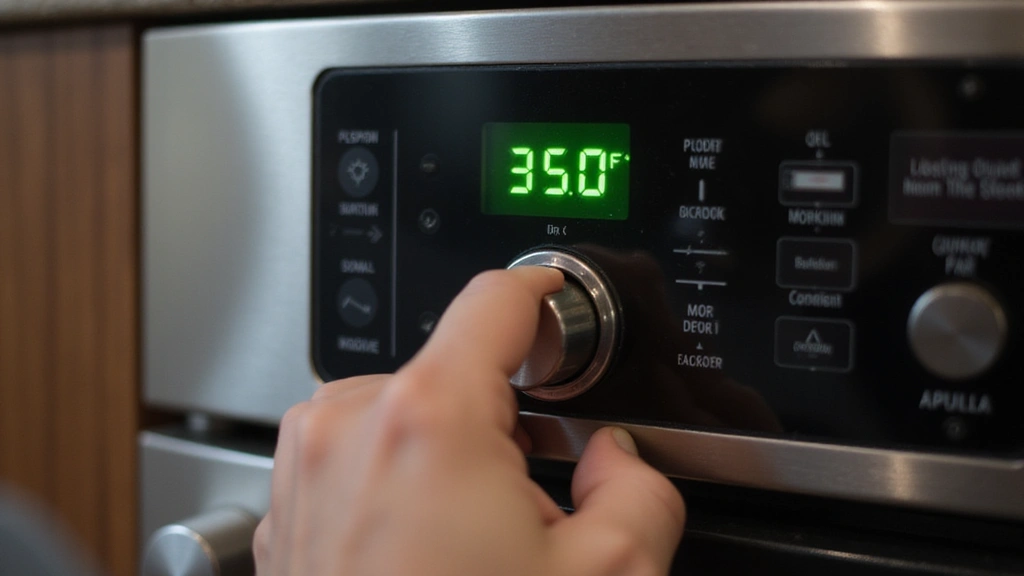
Preheat your oven to 350°F (175°C) to prepare for baking.
Ensure the oven rack is in the middle position for even baking.
This preheating step is crucial for achieving the right texture.
A properly heated oven ensures a crispy top layer.
Step 7: Transfer to Baking Dish
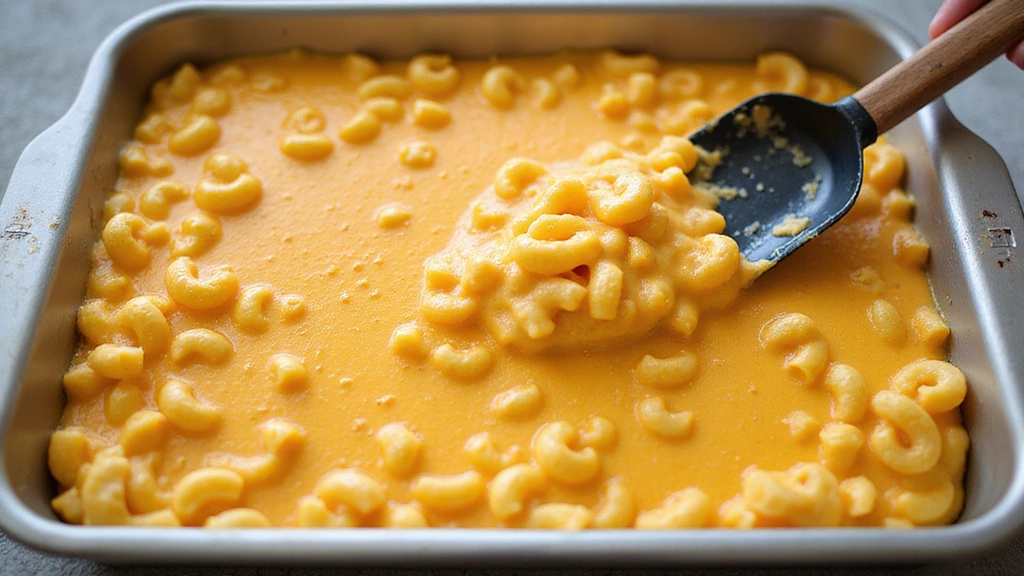
Pour the pasta and sauce mixture into a prepared baking dish.
Spread it evenly to ensure consistent baking.
Smooth out the top with a spatula for a neat finish.
This step sets the stage for a beautifully baked dish.
Step 8: Bake the Mac and Cheese
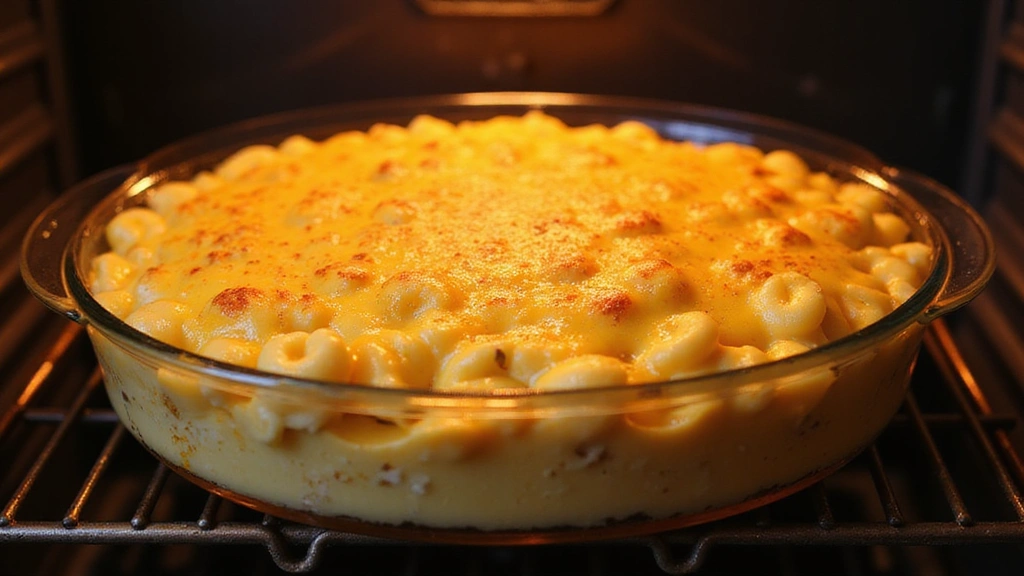
Place the baking dish in the preheated oven.
Bake for 20-25 minutes until the top is golden and bubbling.
Keep an eye out for a crispy golden crust forming.
This baking step adds a delightful texture to the dish.
Critical Timing and Temperature Guide
Boiling Pasta: Cook for 7-8 minutes until al dente; pasta should be firm to the bite. Avoid overcooking, which leads to mushiness.
Making Cheese Sauce: Keep the heat low and whisk constantly. Cheese should melt smoothly without overheating, which can cause curdling.
Baking: Bake at 350°F for 20-25 minutes; look for a golden-brown top. Avoid overbaking, which can dry out the dish.
Pro Tips for Mac and Cheese
• Ingredient Selection: Use high-quality cheddar for a rich flavor and good melting properties; avoid pre-shredded cheese that contains anti-caking agents.
• Preparation Secret: Toast the cooked pasta slightly in the pan before adding sauce for enhanced flavor and texture.
• Temperature Management: Allow cheese to reach room temperature before adding to sauce for smoother melting.
• Texture Enhancement: Use a mix of cheeses to provide complexity and a creamy yet stretchy texture.
• Flavor Layering: Add a pinch of cayenne pepper for a subtle heat that enhances the cheese flavor.
• Make-Ahead Strategies: Prepare sauce and pasta separately; combine and bake just before serving to maintain freshness.
• Restaurant-Quality Finishing Touches: Sprinkle breadcrumbs on top before baking for a crunchy crust.
• Equipment Optimization: Utilize a nonstick saucepan for the cheese sauce to prevent sticking and burning.
Troubleshooting Common Issues
• Cheese Sauce Too Thick: This can occur from excessive cheese or prolonged cooking. Add a splash of milk to thin the sauce.
• Pasta Overcooked: Overcooked pasta results from cooking too long or at too high a temperature. Cook until just al dente and check frequently.
• Cheese Not Melting Smoothly: Often caused by adding cheese too quickly or at too high a heat. Lower the heat and add cheese gradually.
• Dish Too Dry After Baking: This results from overbaking or insufficient sauce. Cover with foil for part of the baking time to retain moisture.
• Bland Flavor: Lack of seasoning can lead to blandness. Ensure proper salt levels and consider adding mustard or Worcestershire sauce for depth.
Variations and Regional Differences
• Southern Style: This version includes a breadcrumb topping and sometimes features additional spices like paprika or cayenne for a kick.
• Italian Style: Incorporates Parmesan cheese and sometimes a béchamel base, offering a different texture and flavor profile.
• British Style: Known as "Macaroni Cheese," it often includes ingredients like bacon or leeks for added flavor.
• Vegan Variation: Uses nutritional yeast, plant-based milk, and cashew cream to replicate the creamy texture without dairy.
Food Science Behind the Recipe
• Emulsification: The process of combining cheese and milk into a smooth sauce is an example of emulsification, where fat and water phases blend seamlessly. Understanding emulsification helps achieve a velvety sauce.
• Starch Gelatinization: Cooking pasta causes starches to gelatinize, which affects texture. Mastering this principle ensures pasta is perfectly cooked without becoming mushy.
• Maillard Reaction: The browning on top of the baked dish is due to the Maillard reaction, where proteins and sugars react. This adds flavor and texture to the dish.
Frequently Asked Questions
What's the most common mistake people make when preparing Mac and Cheese? One common mistake is overcooking the pasta, which leads to a mushy texture. Always cook pasta just until al dente and check frequently.
Can I use regular milk instead of evaporated milk? Yes, but evaporated milk provides a richer, creamier texture. If using regular milk, consider adding a little cream for richness.
How can I prevent the cheese sauce from becoming grainy? Graininess occurs when the cheese is overheated. Always melt cheese over low heat and stir continuously.
Is it possible to make this dish gluten-free? Absolutely, use gluten-free pasta and ensure any additional ingredients like breadcrumbs are gluten-free.
Can I prepare this dish ahead of time? Yes, prepare the pasta and sauce separately, then combine and bake just before serving to maintain freshness.
What cheeses work best for Mac and Cheese? Cheddar is traditional, but combinations with Gruyère or Monterey Jack add depth and creaminess.
How do I store leftovers? Store in an airtight container in the refrigerator for up to 3 days. Reheat in the oven for best results.
Serving and Presentation Guide
• Traditional Presentation: Serve straight from the baking dish with a rustic serving spoon, adding a homely touch.
• Individual Portions: Bake in small ramekins for elegant individual servings.
• Family Style: Present in a large, decorative dish for sharing at family gatherings.
• Garnished Elegance: Top with freshly chopped herbs like parsley or chives for color and freshness.
Conclusion
This Mac and Cheese with evaporated milk is a timeless classic that promises old-fashioned goodness.
With its creamy texture and rich flavor, it's sure to become a favorite in your culinary repertoire.
I encourage you to try this recipe and enjoy the comforting taste of tradition in every bite.