

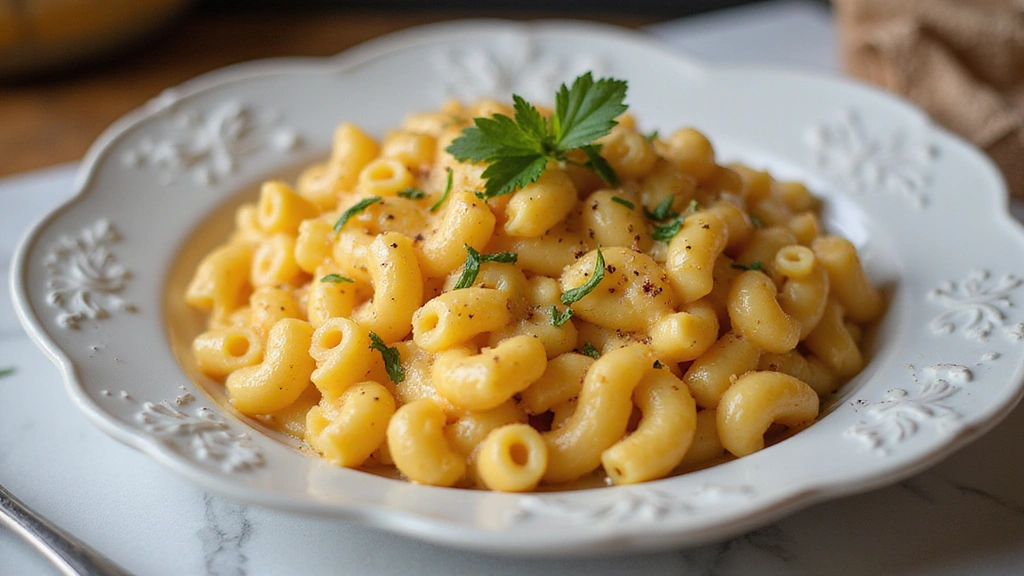
There’s something undeniably comforting about a warm bowl of mac and cheese.
The creamy, cheesy goodness paired with perfectly cooked pasta creates a dish that’s hard to resist.
Whether it’s a cold winter night or a quick weeknight dinner, this simple mac and cheese recipe has you covered.
With just a few ingredients and minimal effort, you’ll have a meal that pleases both kids and adults alike.
It’s the perfect blend of nostalgia and indulgence, reminding us of childhood comfort food.
So, let’s dive into this easy-to-make, crowd-pleasing recipe that never goes out of style.
The History and Cultural Significance
• Simple Mac and Cheese traces its origins to the 14th century in Italy, where it was originally created by combining pasta with cheese.
• The dish evolved over decades as pasta became more accessible, with the inclusion of béchamel sauce in the 18th century, eventually becoming the beloved version we know today.
• In American culture, this dish traditionally appears at family gatherings and potlucks, symbolizing warmth and togetherness.
• While many variations exist across different regions, the authentic version maintains a creamy cheese sauce that sets it apart from imitations.
Recipe Overview
Nutritional Information (per serving)
Essential Equipment Guide
Large Saucepan: Essential for cooking pasta evenly. Alternatives include a deep pot. Look for a heavy-bottomed pan to prevent sticking.
Whisk: Important for creating a smooth cheese sauce without lumps. A fork can be used in a pinch, but a whisk provides better results. Choose one with sturdy wires.
Grater: Necessary for shredding cheese finely, which helps it melt evenly. A food processor can be used as an alternative. Opt for a grater with multiple size options.
Ingredients
For the Pasta
|
|
| Amount | Ingredient | Notes |
|---|---|---|
| 8 ounces | elbow macaroni | cooked al dente |
For the Sauce
| Amount | Ingredient | Notes |
|---|---|---|
| 2 tablespoons | unsalted butter | adds richness |
| 2 tablespoons | all-purpose flour | thickens the sauce |
| 2 cups | milk | creates creaminess |
| 2 cups | cheddar cheese | shredded, for cheesy flavor |
| 1 teaspoon | salt | enhances flavor |
Seasonings
| Amount | Ingredient | Notes |
|---|---|---|
| 1/4 teaspoon | black pepper | adds mild heat |
| 1/4 teaspoon | mustard powder | adds tanginess |
Preparation Methods
Roux Preparation: Creating a roux is essential for thickening the cheese sauce. It involves cooking equal parts of flour and fat (butter) until they are well blended. This step prevents a grainy texture and ensures a smooth sauce. Practice by stirring constantly to avoid lumps.
Cheese Melting: Gradually incorporating shredded cheese is crucial for a creamy texture. Adding cheese too quickly can cause it to seize and become clumpy. Stir continuously and add cheese in small amounts.
Pasta Cooking: Cooking pasta to al dente is important to maintain its structure. Overcooking can lead to mushy pasta that won't hold the sauce well. Check pasta a minute before the suggested cooking time for best results.
Step 1: Prepare Ingredients

Gather all ingredients and equipment before starting.
Measure out the pasta, cheese, milk, and seasonings.
Ensure the cheese is shredded and pasta is pre-cooked al dente.
Set everything within easy reach to streamline the cooking process.
Step 2: Cook the Pasta
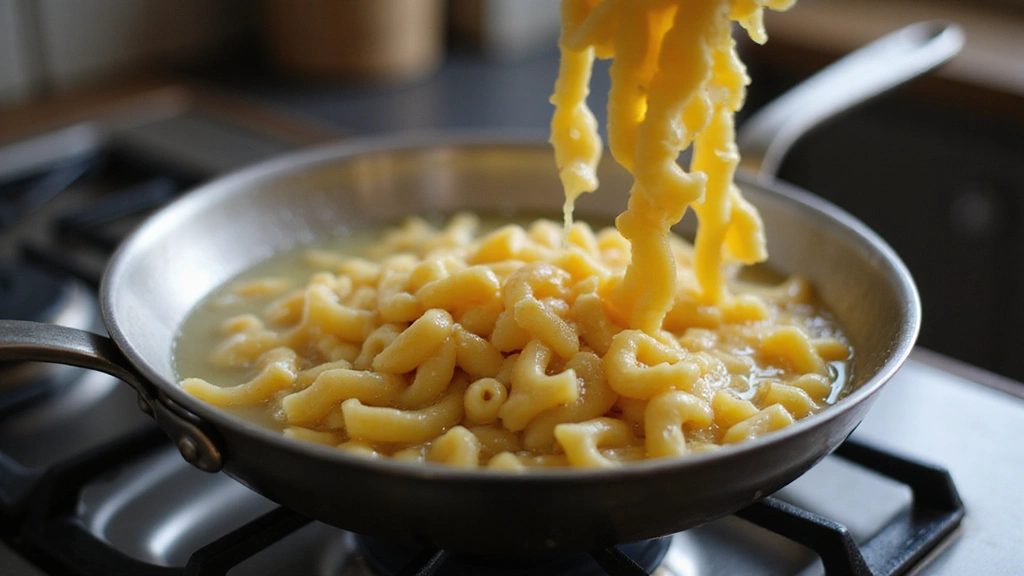
Bring a large pot of salted water to a boil.
Add the elbow macaroni and cook until al dente, about 8-10 minutes.
Drain the pasta and set it aside.
Reserve a cup of pasta water for adjusting sauce consistency if needed.
Step 3: Make the Roux
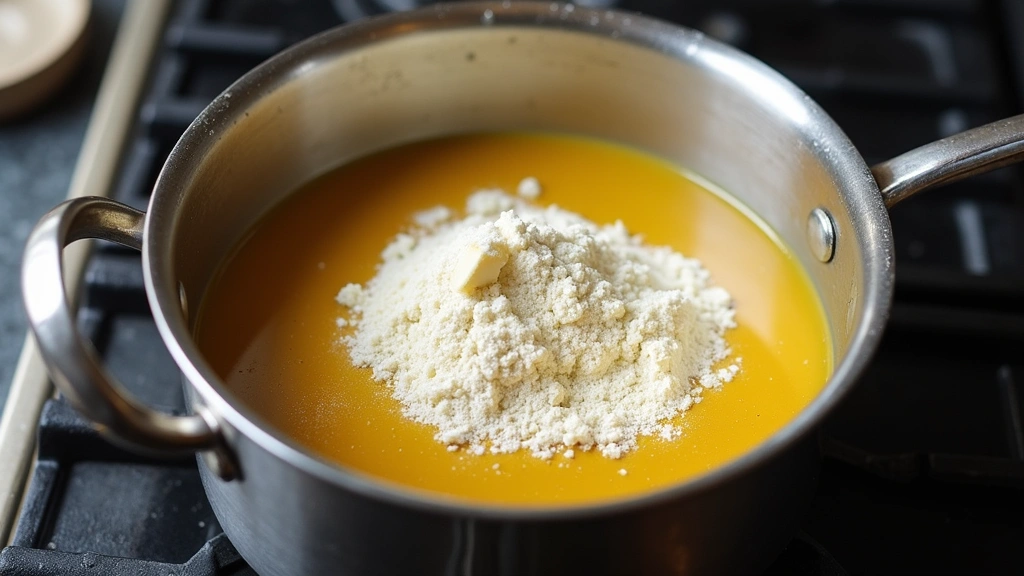
Melt butter in a large saucepan over medium heat.
Add the flour and whisk constantly until the mixture turns golden brown.
Ensure there are no lumps in the roux for a smooth sauce.
Cook the roux for about 2 minutes to eliminate the raw flour taste.
Step 4: Prepare the Cheese Sauce
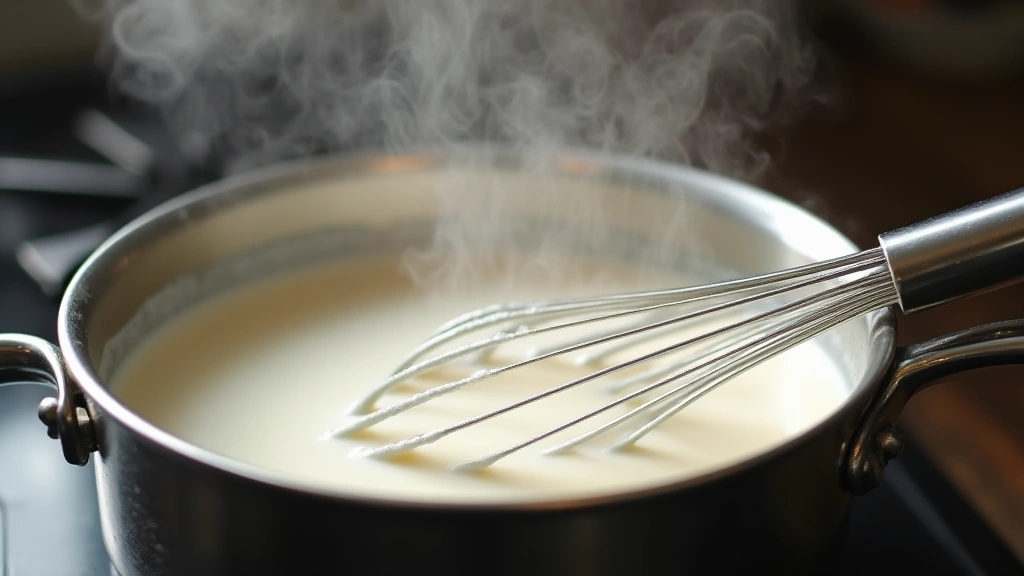
Gradually add milk to the roux, whisking constantly.
Continue to whisk until the mixture thickens and begins to simmer.
Add salt, pepper, and mustard powder for seasoning.
This base should be smooth and creamy before adding cheese.
Step 5: Melt the Cheese
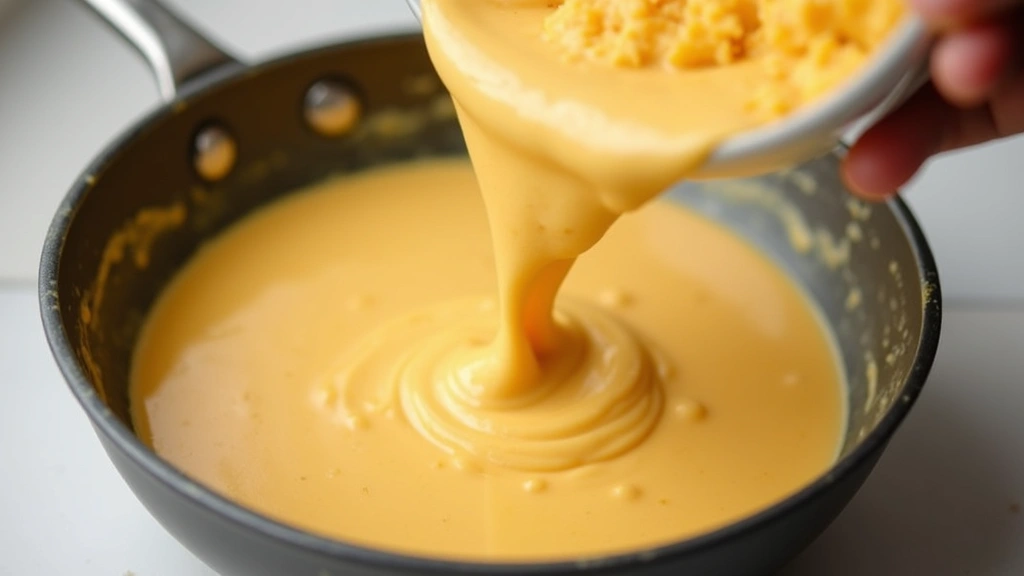
Lower the heat to medium-low and add the shredded cheddar cheese.
Stir continuously until the cheese is fully melted and the sauce is smooth.
Add cheese in small batches to ensure even melting.
Taste and adjust seasoning if necessary.
Step 6: Combine Pasta and Sauce
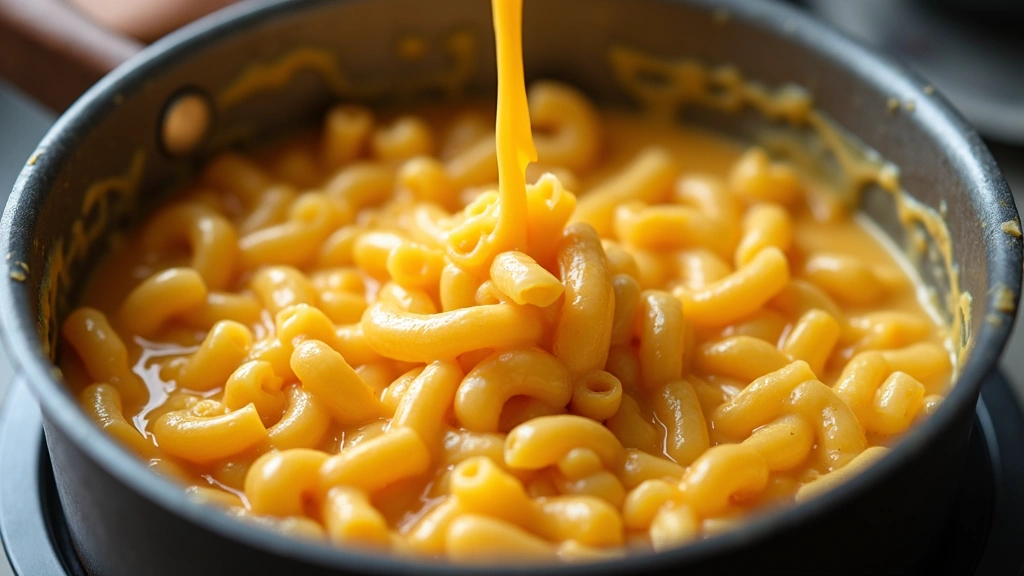
Add the cooked pasta to the cheese sauce.
Stir gently to coat the pasta evenly with the sauce.
If the sauce is too thick, add reserved pasta water to adjust consistency.
Ensure every piece of pasta is well-coated with the sauce.
Step 7: Serve the Mac and Cheese
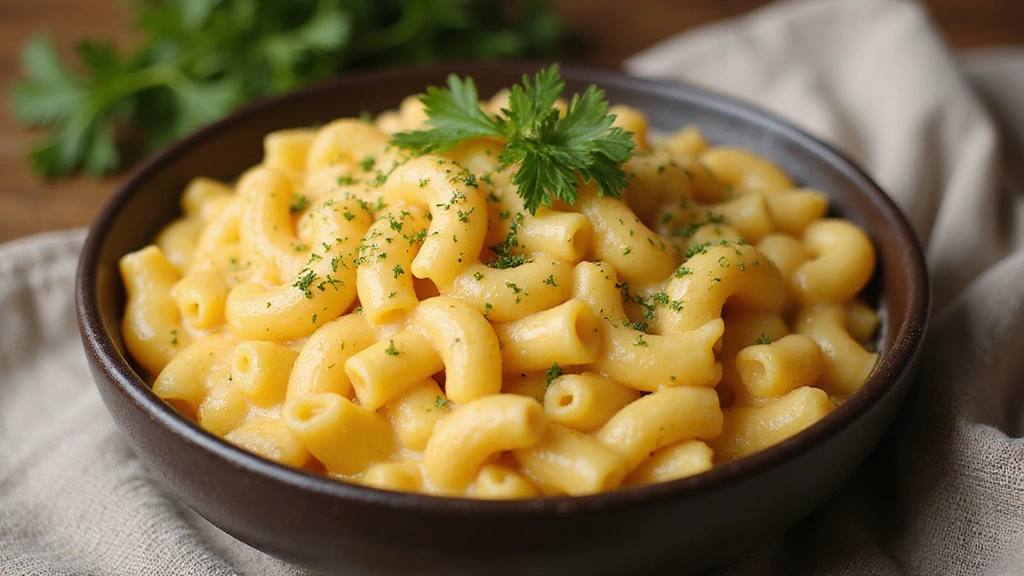
Transfer the mac and cheese to serving bowls.
Garnish with freshly chopped parsley or additional cheese if desired.
Serve immediately while hot to enjoy the creamy texture.
Pair with a crisp salad for a balanced meal.
Step 8: Store Leftovers
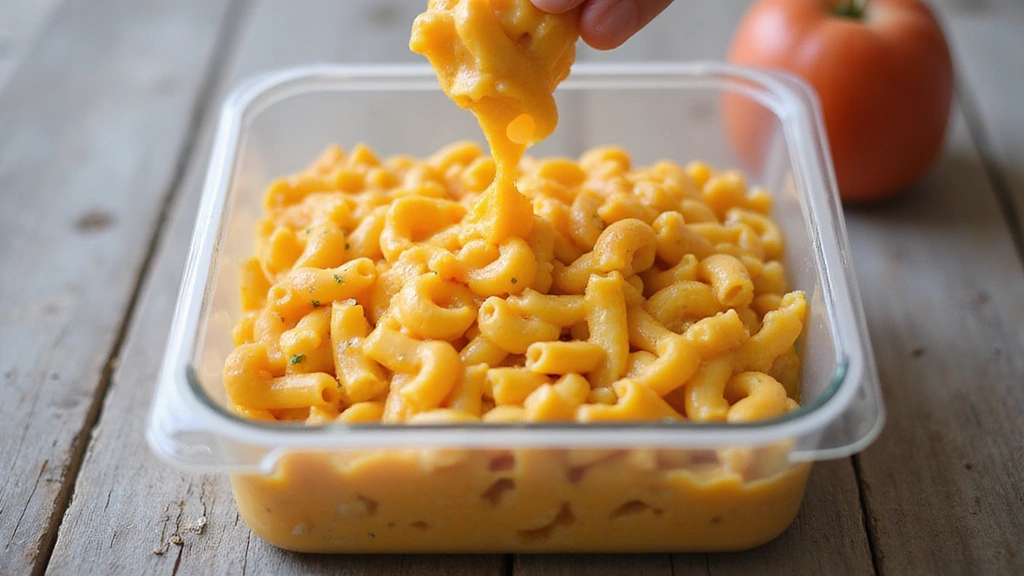
Allow any remaining mac and cheese to cool completely.
Transfer to an airtight container for storage.
Store in the refrigerator for up to 3 days.
Reheat gently on the stove or in the microwave before serving.
Critical Timing and Temperature Guide
Pasta Cooking: Cook pasta for 8-10 minutes or until al dente. Visual indicator: firm to the bite. Avoid overcooking as it can lead to mushy texture.
Roux Preparation: Cook roux for 2 minutes over medium heat until golden. Visual indicator: smooth and lump-free. Avoid burning by whisking constantly.
Cheese Melting: Melt cheese over medium-low heat. Visual indicators: smooth sauce with no clumps. Avoid high heat to prevent cheese from seizing.
Pro Tips for Simple Mac and Cheese
• Ingredient Selection: Choose high-quality cheddar cheese and whole milk for the best flavor and creaminess.
• Preparation Secret: Toast the flour in the roux slightly longer to enhance the nutty flavor of the sauce.
• Temperature Management: Always add cheese to a slightly cooled sauce to prevent curdling.
• Texture Enhancement: Stir pasta gently to avoid breaking the pasta and to keep it coated evenly with sauce.
• Flavor Layering: Use a combination of cheeses like cheddar and Gruyère for a more complex flavor.
• Make-Ahead Strategies: Prepare the cheese sauce a day in advance and store it in the refrigerator. Reheat gently before combining with pasta.
• Restaurant-Quality Finishing Touches: Broil mac and cheese with breadcrumbs for a crispy top before serving.
• Equipment Optimization: Use a non-stick saucepan to prevent the cheese sauce from sticking and burning.
Troubleshooting Common Issues
• Cheese Sauce Too Thick: Caused by over-reducing the sauce or less milk. Solution: Add reserved pasta water or extra milk gradually until desired consistency.
• Cheese Sauce Too Thin: Caused by insufficient roux or too much liquid. Solution: Cook longer to thicken or add a slurry of flour and water.
• Pasta Overcooked: Recognizable by mushy texture. Solution: Cook pasta for a shorter time next attempt and immediately rinse with cold water to stop cooking.
• Clumpy Cheese Sauce: Caused by adding cheese too quickly. Solution: Ensure sauce is off heat and add cheese gradually while stirring.
• Lack of Flavor: Caused by under-seasoning. Solution: Taste as you go and adjust salt, pepper, and mustard powder to enhance flavor.
• Burnt Roux: Caused by high heat or lack of stirring. Solution: Start over with low heat and constant whisking until just golden.
Variations and Regional Differences
• Southern Style: Includes the addition of beaten eggs and evaporated milk for a custard-like texture. Often baked with a breadcrumb topping.
• Italian Style: Known as 'Maccheroni al Formaggio,' uses a blend of Parmesan and mozzarella with béchamel sauce for a rich, layered flavor.
• Spicy Variation: Incorporate jalapeños and hot sauce for a kick, often found in Tex-Mex cuisine.
• Vegan Variation: Utilizes cashew cream and nutritional yeast for a dairy-free option, popular in plant-based diets.
• Truffle Mac and Cheese: Infused with truffle oil or truffle salt for a luxurious twist, often served in upscale restaurants.
Food Science Behind the Recipe
• Emulsification: The process of combining cheese and milk to form a stable sauce. Understanding this helps achieve a smooth texture without separation.
• Starch Gelatinization: Occurs when flour in the roux combines with milk, thickening the sauce as it heats. This process is crucial for the sauce's consistency.
• Maillard Reaction: The browning of the roux enhances flavor through complex chemical reactions. This reaction is key to developing depth in the sauce.
• Protein Coagulation: In cheese, when heated, proteins coagulate, which must be controlled to prevent a gritty texture. This principle helps maintain creaminess.
Frequently Asked Questions
What's the most common mistake people make when preparing mac and cheese? The most common mistake is overcooking the pasta, which can lead to a mushy texture once mixed with the sauce.
Can I use different types of cheese? Yes, using a blend of cheeses can enhance the flavor profile, but ensure they melt well for a smooth sauce.
Is it necessary to use a roux? While a roux helps thicken the sauce and improve texture, you can use cornstarch as an alternative thickener.
How can I make the dish healthier? Use whole grain pasta and reduce the amount of cheese or substitute with low-fat cheese.
Can I prepare this dish in advance? Yes, the sauce can be made a day ahead, and the assembled dish can be refrigerated and baked before serving.
What can I add for extra flavor? Consider adding sautéed garlic, caramelized onions, or bacon bits to enhance flavor.
How do I prevent the cheese from curdling? Add cheese over low heat and stir continuously to ensure it melts evenly without high temperature shocks.
Can this dish be frozen? Freezing is possible, but may alter the sauce texture; thaw slowly and reheat gently before serving.
Serving and Presentation Guide
• Traditional Presentation: Serve in individual bowls with a sprinkle of fresh parsley or chives for color.
• Family Style Presentation: Serve in a large, rustic ceramic dish for communal dining, often seen in holiday gatherings.
• Upscale Presentation: Use ramekins for individual servings, topped with a crispy breadcrumb crust and a drizzle of truffle oil.
• Buffet Presentation: Keep warm in a chafing dish, allowing guests to serve themselves at large events or parties.
• Themed Presentation: Incorporate into a themed dinner by adding related garnishes or serving with complementary sides.
Conclusion

This simple mac and cheese recipe is a testament to the joy of comfort food.
With its rich, creamy sauce and perfectly cooked pasta, it's sure to become a household favorite.
Whether you're a seasoned cook or a beginner, this recipe is approachable and rewarding.
Try it today and experience the timeless pleasure of homemade mac and cheese.