

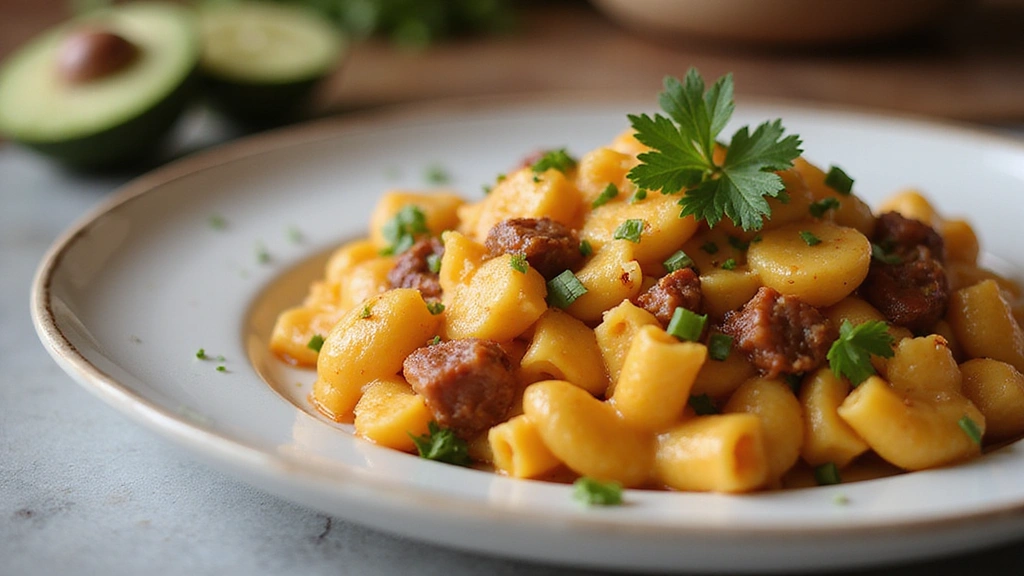
The rich, smoky notes of this Smoker Mac and Cheese will transport you straight to a summer BBQ in the heart of the South.
Perfect for a backyard gathering or as a comforting dish for a chilly evening, this recipe brings a new depth of flavor to a classic comfort food.
The combination of creamy cheese and subtle smoke creates a unique twist that elevates the traditional mac and cheese to a gourmet level.
Discovering this recipe was like finding a hidden gem during a family reunion, where the smoker was the star of the show.
If you’re looking to impress your guests with something both familiar and novel, this dish will surely do the trick.
The History and Cultural Significance
• Smoker Mac and Cheese can trace its origins to the Southern United States, where it was originally created by BBQ enthusiasts looking to innovate on traditional mac and cheese.
• The dish evolved over decades as new smoking techniques and cheese blends were experimented with, eventually becoming the beloved version we know today.
• In Southern culture, this dish traditionally appears at family gatherings and barbecues, symbolizing warmth and togetherness.
• While many variations exist across different regions, the authentic version maintains a deep, smoky flavor that sets it apart from imitations.
Recipe Overview
Nutritional Information (per serving)
Essential Equipment Guide
Smoker: A smoker is crucial for imparting that deep, authentic smoky flavor to the mac and cheese. Alternatives like a charcoal grill with a smoking box can work, but look for a smoker with good temperature control.
Cast Iron Skillet: This tool is important for even heat distribution and can go from stove to smoker. Look for a skillet with a heavy base to prevent sticking.
Cheese Grater: Freshly grated cheese melts more evenly and prevents clumping. A box grater or food processor with a grater attachment works best.
Ingredients
For the Base
|
|
| Amount | Ingredient | Notes |
|---|---|---|
| 1 pound | elbow macaroni | cooked al dente |
For the Sauce
| Amount | Ingredient | Notes |
|---|---|---|
| 4 tablespoons | butter | adds richness |
| 4 tablespoons | all-purpose flour | thickens the sauce |
| 3 cups | whole milk | for creaminess |
| 2 cups | cheddar cheese | sharp, grated |
| 1 cup | smoked gouda | adds smokiness, grated |
Seasonings
| Amount | Ingredient | Notes |
|---|---|---|
| 1 teaspoon | smoked paprika | enhances smoky flavor |
| 1 teaspoon | salt | enhances overall taste |
| 1/2 teaspoon | black pepper | for seasoning |
Preparation Methods
Smoking Technique: Ensuring the mac and cheese absorbs the optimal amount of smoke is key. Use a low and slow approach at around 225°F. Rotate the skillet halfway through for even exposure.
Roux Preparation: A classic technique of combining flour and butter to thicken the sauce. Cook until the mixture is golden brown to avoid a raw flour taste.
Cheese Melting: Gradually add cheese to the hot sauce to ensure a smooth texture. Stir constantly to prevent clumping and separation.
Step 1: Prepare Ingredients
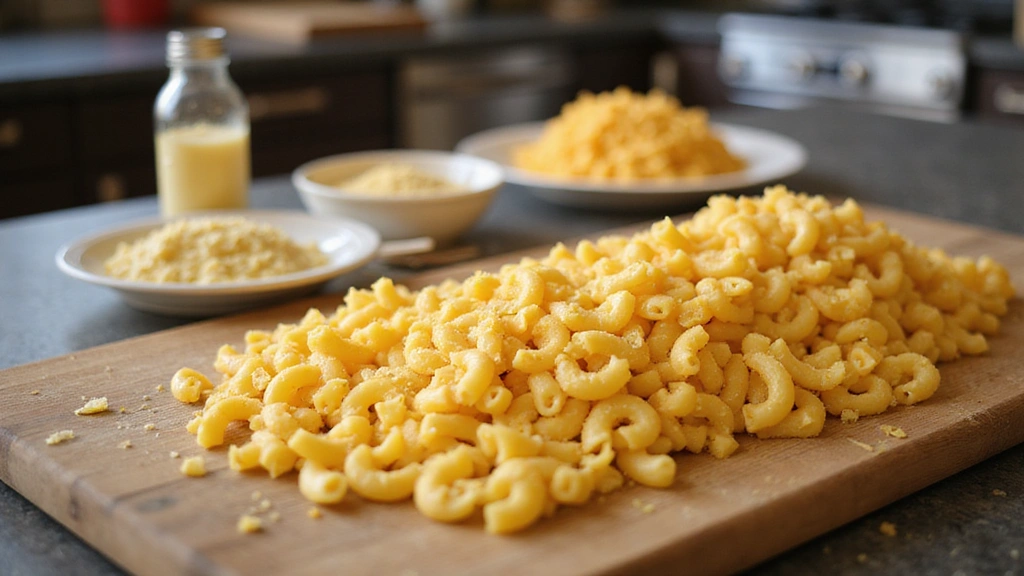
Gather all ingredients and equipment before starting.
Ensure cheese is freshly grated and macaroni is cooked al dente.
Set up your smoker to a temperature of 225°F.
Check that all ingredients are at room temperature for better integration.
Step 2: Make the Roux
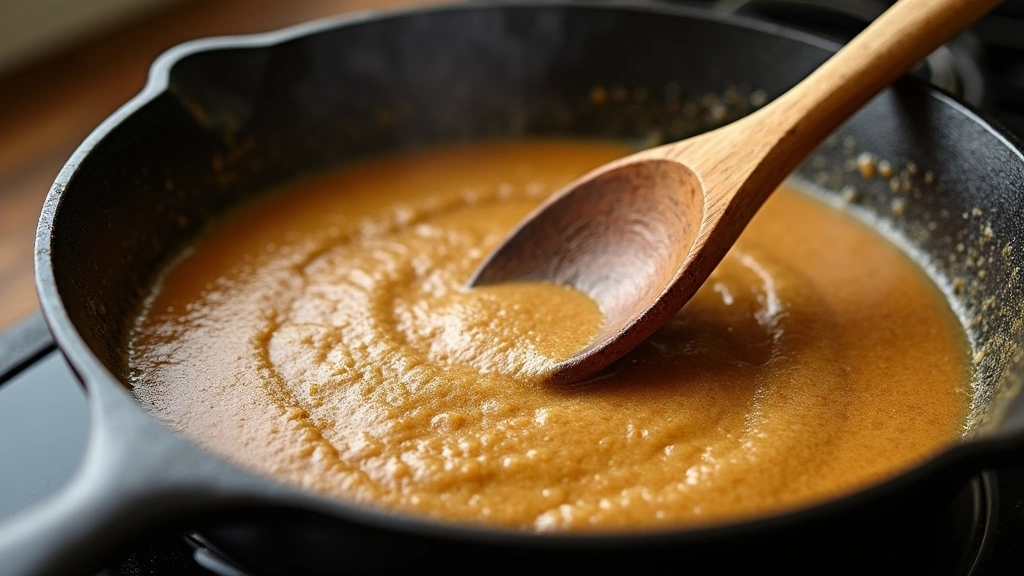
Melt butter in a cast iron skillet over medium heat.
Add flour and whisk continuously to form a smooth paste.
Cook the roux until it turns a light golden color, about 2-3 minutes.
Ensure there are no lumps for a smooth sauce.
Step 3: Prepare the Cheese Sauce
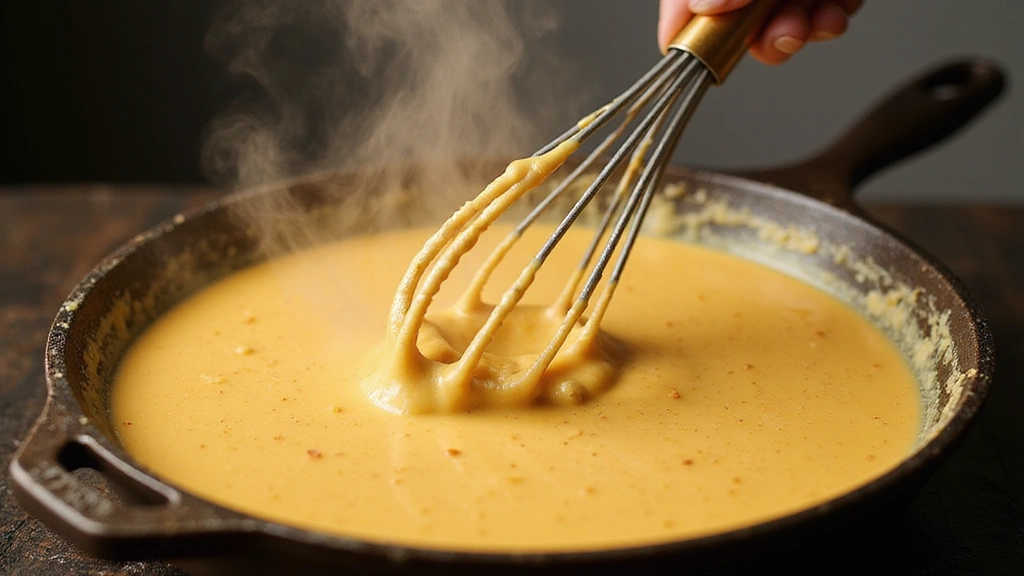
Slowly add milk to the roux, whisking constantly to avoid lumps.
Bring the mixture to a gentle simmer, thickening slightly.
Gradually add grated cheddar and gouda cheese, stirring until fully melted.
The sauce should be smooth and creamy with no cheese clumps.
Step 4: Season the Sauce
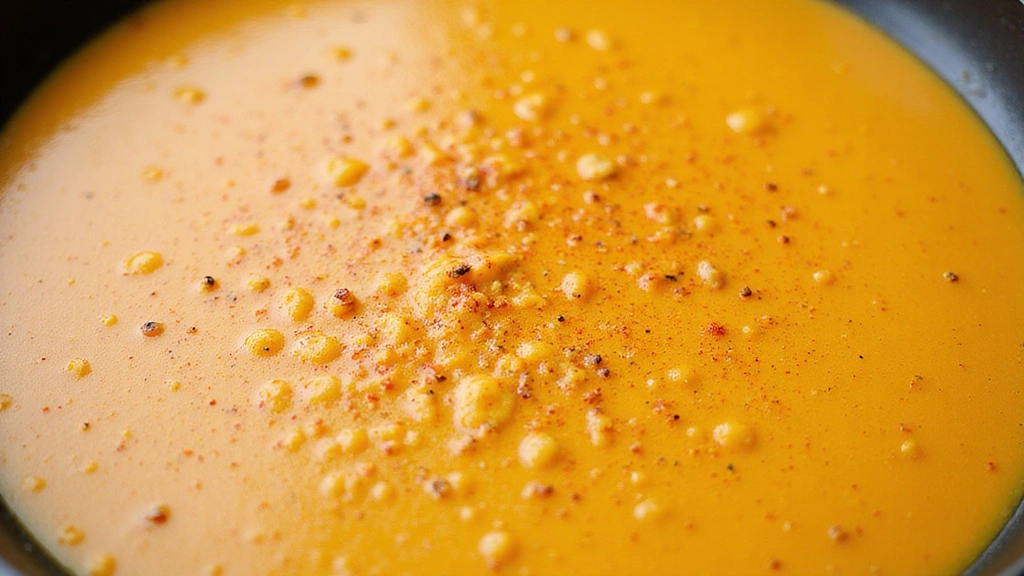
Add smoked paprika, salt, and black pepper to the cheese sauce.
Stir well to ensure even distribution of spices.
Taste the sauce and adjust seasoning as needed.
Ensure spices are fully dissolved into the sauce.
Step 5: Combine Macaroni and Sauce
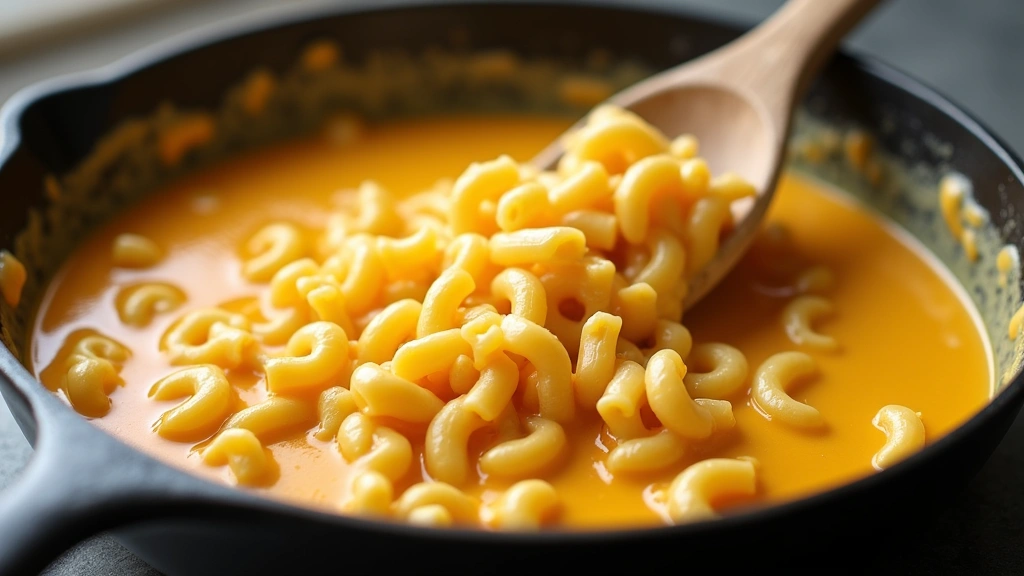
Add cooked macaroni to the cheese sauce, stirring to coat evenly.
Ensure every piece of pasta is covered in sauce.
Check for consistency, adding a splash of milk if too thick.
The mixture should be creamy and well-integrated.
Step 6: Prepare for Smoking
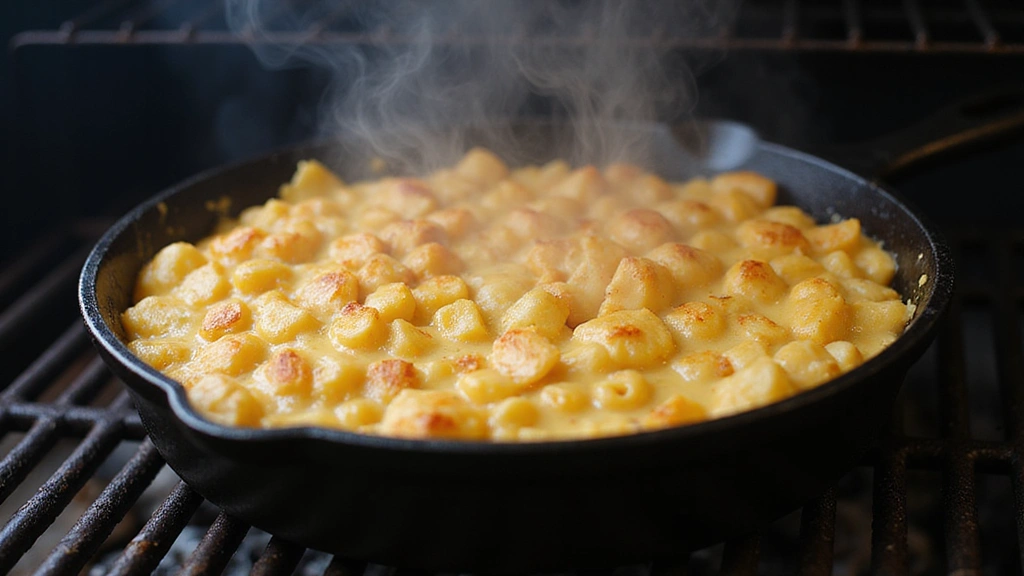
Transfer the skillet with mac and cheese to the smoker.
Ensure the smoker is maintaining a steady 225°F.
Position the skillet to allow even smoke exposure.
Close the smoker lid to begin the smoking process.
Step 7: Smoke the Mac and Cheese
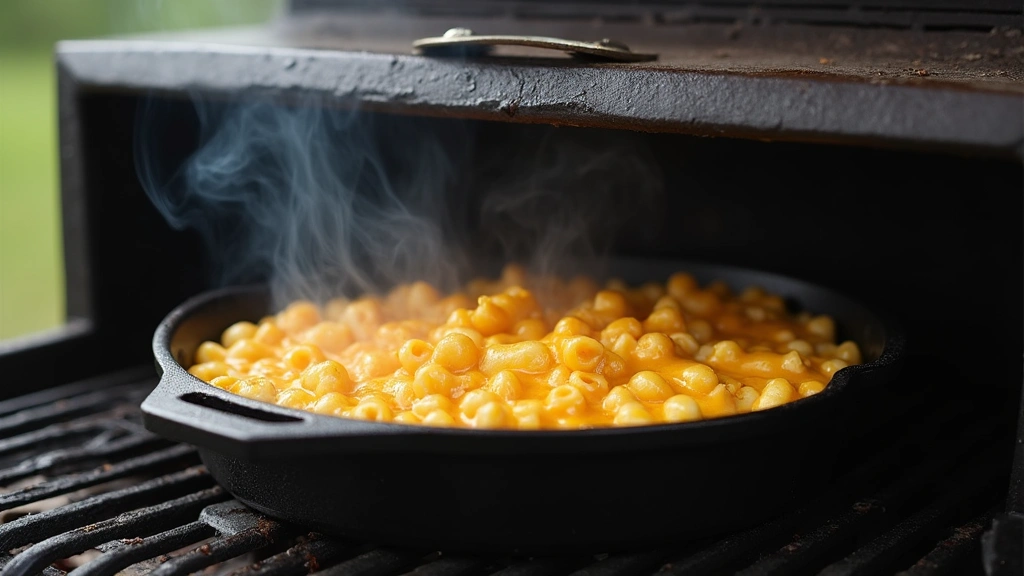
Smoke the mac and cheese for about 30-45 minutes.
Rotate the skillet halfway through for even smoking.
Check periodically to ensure the top is developing a golden crust.
Avoid opening the smoker too often to maintain temperature.
Step 8: Finish and Serve
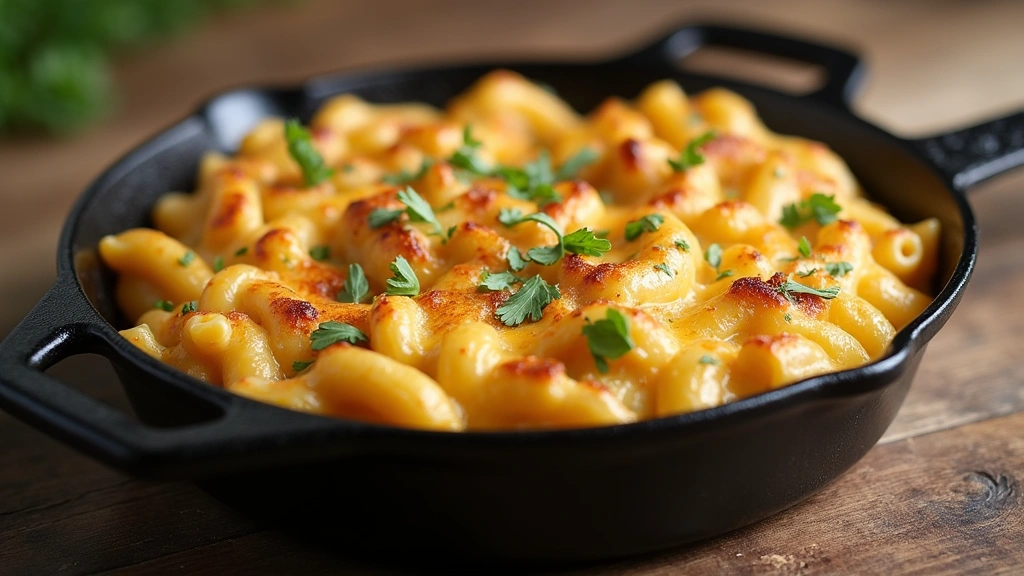
Remove the skillet from the smoker once a golden crust forms.
Allow the mac and cheese to rest for 5 minutes before serving.
Garnish with additional smoked paprika or herbs if desired.
Serve hot, enjoying the smoky aroma and rich flavor.
Critical Timing and Temperature Guide
Pre-Smoking Preparation: Ensure ingredients are at room temperature and smoker preheated to 225°F. Avoid rushing the setup as a stable temperature is crucial.
Smoking Process: Maintain a consistent 225°F for even smoking. Visual indicators include a golden crust forming on top. Avoid frequent lid opening to preserve heat.
Sauce Consistency: The sauce should thicken as it simmers. If too thick before smoking, add a splash of milk. Smooth texture is key before smoking.
Pro Tips for Smoker Mac and Cheese
• Ingredient Selection: Use high-quality cheddar and gouda for the best flavor. Freshly grated cheese melts better than pre-shredded.
• Preparation Secret: Adding a pinch of smoked salt enhances the smoky flavor without overpowering the dish.
• Temperature Management: Keep smoker temperature steady at 225°F. Fluctuations can result in uneven smoking.
• Texture Enhancement: Stir the sauce continuously until completely smooth before adding macaroni.
• Flavor Layering: Incorporate a dash of hot sauce in the cheese sauce for a subtle, complex heat.
• Make-Ahead Strategies: Prepare sauce and macaroni separately a day ahead, store in airtight containers, and combine just before smoking.
• Restaurant-Quality Finishing Touches: Top with a breadcrumb mixture before smoking for an extra crunchy crust.
• Equipment Optimization: Use a water pan in the smoker to maintain moisture and prevent drying out the mac and cheese.
Troubleshooting Common Issues
• Texture Too Dense: Caused by overcooking the pasta or thick sauce. Ensure pasta is al dente and add milk to thin the sauce before smoking.
• Flavors Unbalanced: Recognized by overpowering smokiness or cheese. Adjust by reducing smoked gouda or adding more cheddar for balance.
• Cheese Sauce Clumping: Occurs if cheese is added too quickly. Gradually melt cheese into the sauce and stir constantly.
• Insufficient Smoky Flavor: Due to low smoke exposure. Ensure smoker is consistently at 225°F and use wood chips that match desired intensity.
• Burnt Crust: Happens if smoker temperature is too high. Monitor temperature closely and rotate skillet as needed.
• Sauce Too Runny: If sauce doesn't thicken, increase roux cooking time or reduce milk slightly during preparation.
Variations and Regional Differences
• Texas-Style: Incorporates brisket chunks for a heartier version, using mesquite wood for a bold smoke flavor.
• Carolina-Style: Adds pulled pork and uses a vinegar-based BBQ sauce in the cheese sauce for tanginess.
• Memphis-Style: Features a dry rub seasoning in the sauce and uses hickory wood for smoking.
• Kansas City-Style: Topped with a sweet molasses BBQ sauce drizzled before smoking, adding a caramelized top.
Food Science Behind the Recipe
• Maillard Reaction: This browning process enhances the flavor of the roux and the crust formed during smoking.
• Emulsification: Key to creating a smooth cheese sauce as cheese proteins and fats blend with the milk.
• Smoke Absorption: The science behind smoke flavor infusion, where particles adhere to the mac and cheese's surface, adding depth.
• Starch Gelatinization: Occurs when cooking pasta, allowing it to absorb the sauce and retain a tender texture.
Frequently Asked Questions
What's the most common mistake people make when preparing Smoker Mac and Cheese? Overcooking the pasta, leading to a mushy texture. Always cook pasta al dente.
Can I use different types of cheese? Yes, but ensure they melt well. Combining sharp cheddar with a smoky cheese like gouda works best.
What wood chips are best for smoking this dish? Hickory and applewood provide a balanced smoke flavor without overpowering the dish.
How do I prevent the cheese sauce from separating? Gradually add cheese to warm sauce and stir constantly to maintain a smooth texture.
Can I make this dish ahead of time? Yes, prepare components separately and combine just before smoking for best results.
What if I don't have a smoker? Use a charcoal grill with a smoking box or liquid smoke as a last resort.
How can I add a spicy kick? Add a pinch of cayenne pepper or a few dashes of hot sauce to the cheese sauce.
Serving and Presentation Guide
• Traditional Presentation: Serve directly from the cast iron skillet for a rustic, communal feel.
• Individual Servings: Spoon into ramekins and top with extra cheese before smoking for personal portions.
• Garnishing Options: Top with chopped chives or parsley for a pop of color and freshness.
• Accompanying Sides: Pair with coleslaw or a fresh green salad to balance the rich flavors.
Conclusion
Smoker Mac and Cheese combines the comfort of a classic dish with the boldness of BBQ smoke.
With its rich flavors and creamy texture, it’s a surefire hit at any gathering.
Embrace the smoky allure and try this recipe for a memorable culinary experience.
Share it with friends and family, and watch it become a new favorite.