

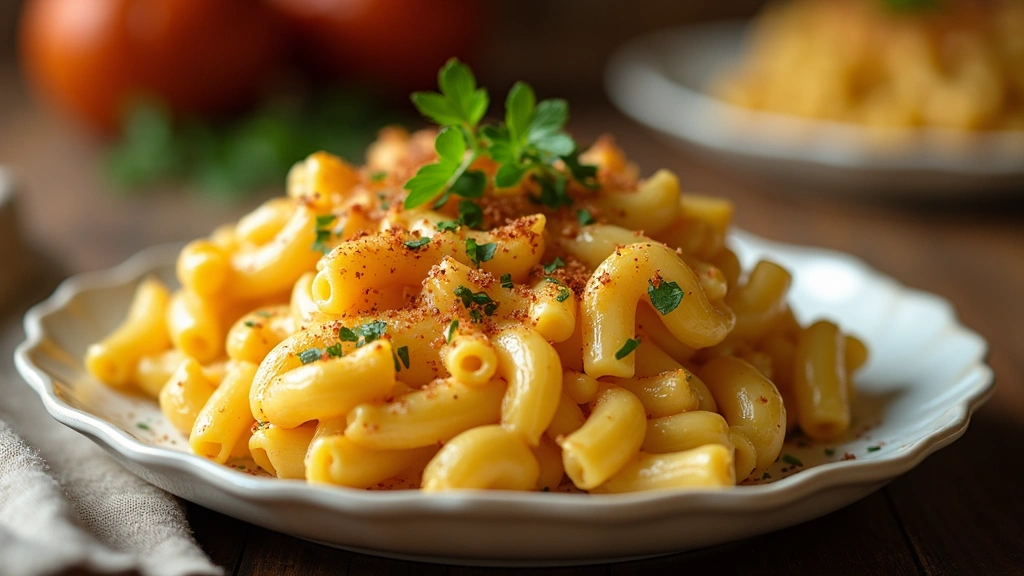
Thanksgiving Mac and Cheese is a delightful twist on a classic comfort food that perfectly complements the holiday table.
The creamy, cheesy layers of pasta harmonize with subtle spices to create a dish that’s both rich and satisfying.
This recipe has become a holiday crowd favorite, bringing warmth and joy to family gatherings.
Incorporating seasonal ingredients, it’s a versatile dish that pairs well with traditional Thanksgiving fare.
Whether you’re hosting a large family dinner or a cozy holiday meal, this mac and cheese delivers comfort with every bite.
The History and Cultural Significance
• Thanksgiving Mac and Cheese traces its origins to the Southern United States, where it was originally created by African American communities.
• The dish evolved over decades as various cheeses and spices were incorporated, eventually becoming the beloved version we know today.
• In Southern culture, this dish traditionally appears at holiday gatherings, symbolizing warmth and togetherness.
• While many variations exist across different regions, the authentic version maintains a creamy texture and rich flavor that sets it apart from imitations.
Recipe Overview
Nutritional Information (per serving)
Essential Equipment Guide
Large Pot: A large pot is essential for boiling pasta evenly, ensuring it cooks to the perfect al dente texture. Alternatives include a Dutch oven or any heavy-bottomed pot. Look for a pot with a thick base to prevent sticking.
Whisk: A whisk is important for creating a smooth cheese sauce without lumps. A silicone whisk can be an alternative to avoid scratching non-stick surfaces. Opt for a whisk with a comfortable handle.
Casserole Dish: This tool is vital for baking the mac and cheese to achieve a golden, bubbly top. A glass or ceramic dish can work as alternatives. Ensure it’s oven-safe and of the appropriate size to hold the dish.
Ingredients
For the Pasta
|
|
| Amount | Ingredient | Notes |
|---|---|---|
| 16 ounces | elbow macaroni | cooked to al dente |
For the Sauce
| Amount | Ingredient | Notes |
|---|---|---|
| 4 tablespoons | unsalted butter | adds richness |
| 1/4 cup | all-purpose flour | thickens the sauce |
| 3 cups | whole milk | provides creaminess |
| 2 cups | sharp cheddar cheese | grated, adds bold flavor |
| 1 cup | Gruyère cheese | grated, adds nutty flavor |
Seasonings
| Amount | Ingredient | Notes |
|---|---|---|
| 1 teaspoon | salt | enhances flavor |
| 1/2 teaspoon | black pepper | adds mild heat |
| 1/2 teaspoon | paprika | adds color and depth |
Toppings
| Amount | Ingredient | Notes |
|---|---|---|
| 1 cup | panko breadcrumbs | provides a crunchy top |
| 2 tablespoons | butter | melted, to coat breadcrumbs |
Preparation Methods
Making a Roux: This technique involves cooking equal parts of butter and flour to create a thickening agent for sauces. It's crucial for a smooth cheese sauce. Cook the roux over medium heat until it turns a light golden color.
Tempering Cheese: Gradually adding cheese to a hot liquid prevents it from clumping or becoming grainy. Add cheese a handful at a time, whisking until fully melted before adding more.
Baking with Toppings: Adding a breadcrumb topping requires careful attention to avoid burning. Mix breadcrumbs with melted butter to ensure even browning, and bake until golden.
Step 1: Prepare Ingredients
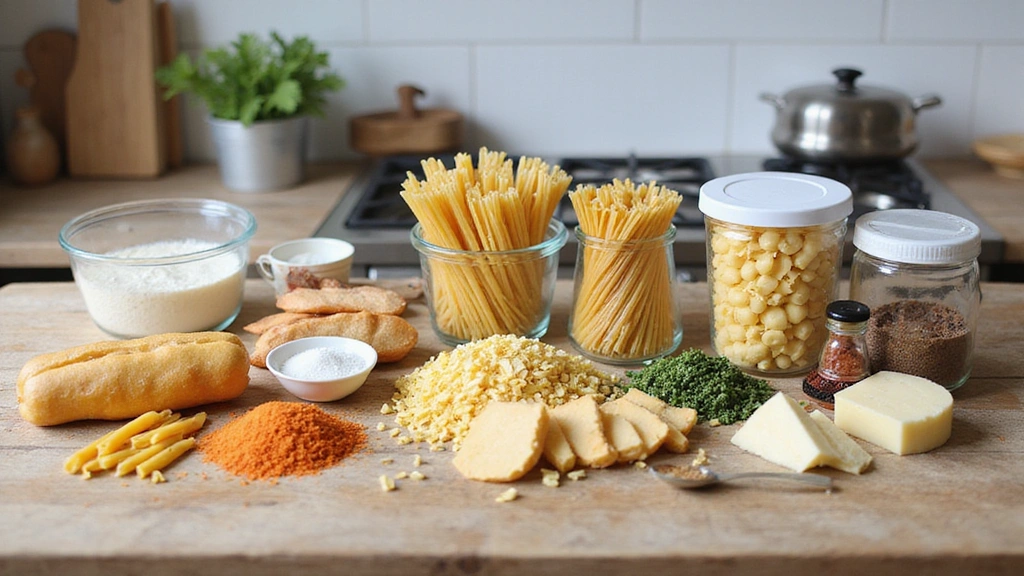
Gather all ingredients and equipment on the counter.
Measure the pasta, cheeses, and seasonings accurately.
Preheat the oven to 350°F (175°C).
Ensure all ingredients are at room temperature for better integration.
Step 2: Boil the Pasta
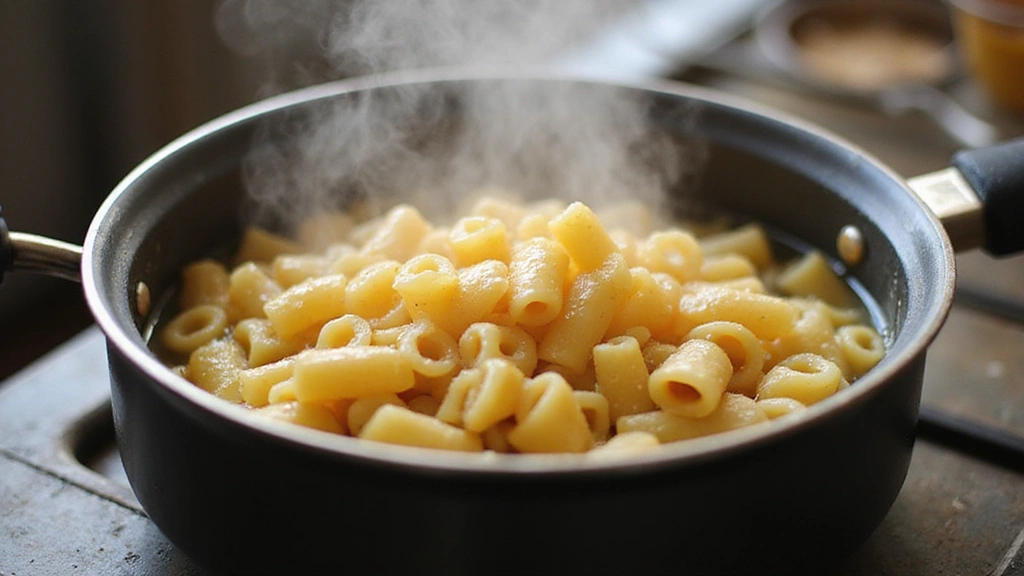
Fill a large pot with water and bring it to a boil.
Add a generous pinch of salt to the boiling water.
Cook the elbow macaroni until al dente, about 8 minutes.
Drain the pasta and set aside to cool slightly.
Step 3: Make the Roux
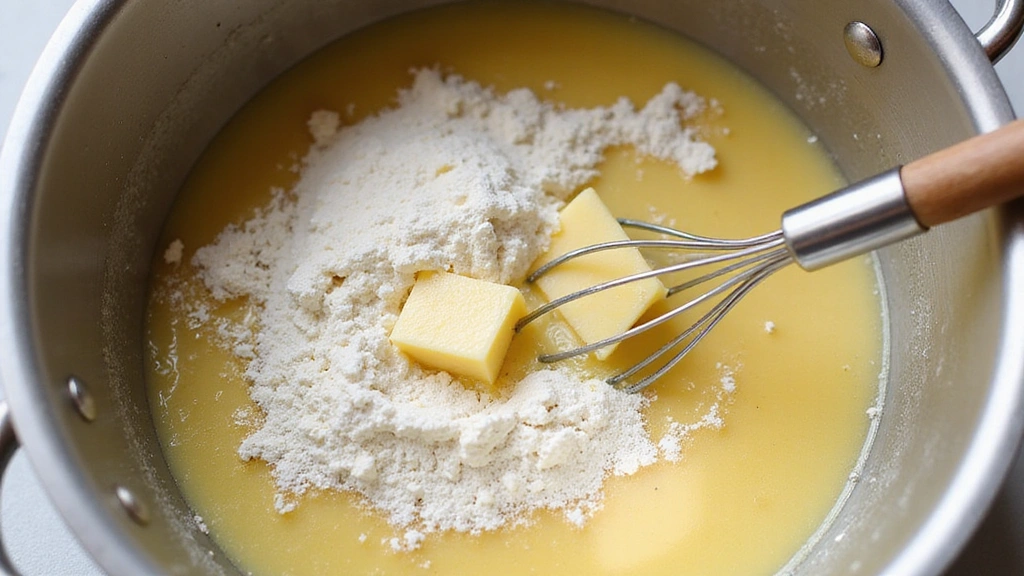
In a medium saucepan, melt butter over medium heat.
Add flour and whisk continuously until smooth.
Cook the mixture for 2-3 minutes until it begins to turn golden.
Ensure there are no lumps in the roux.
Step 4: Create the Cheese Sauce
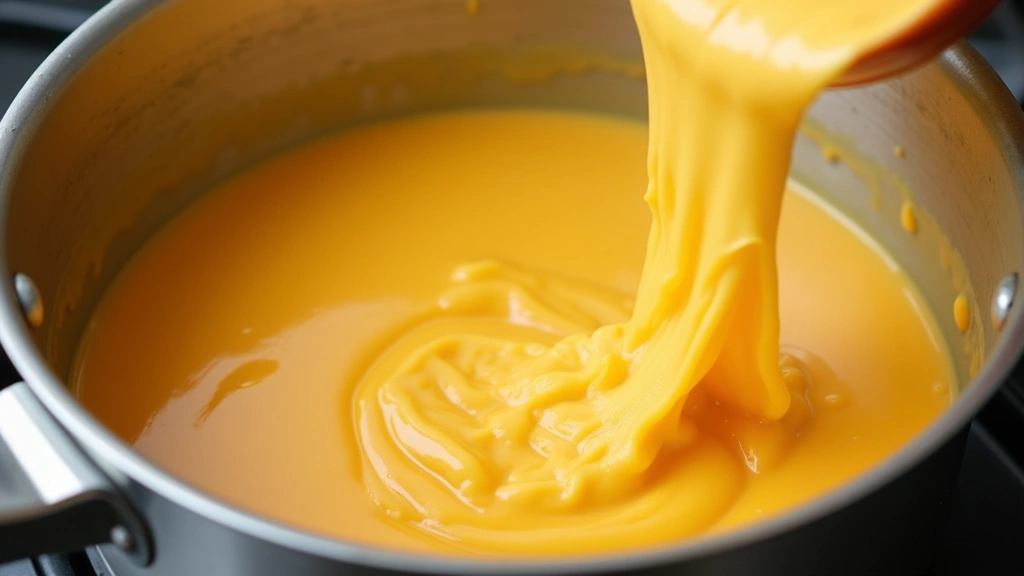
Gradually whisk in the milk to the roux, ensuring no lumps form.
Cook over medium heat until the sauce thickens, about 5 minutes.
Reduce the heat to low and add cheddar and Gruyère cheeses in batches.
Stir constantly until the cheese is fully melted and the sauce is smooth.
Step 5: Season the Sauce
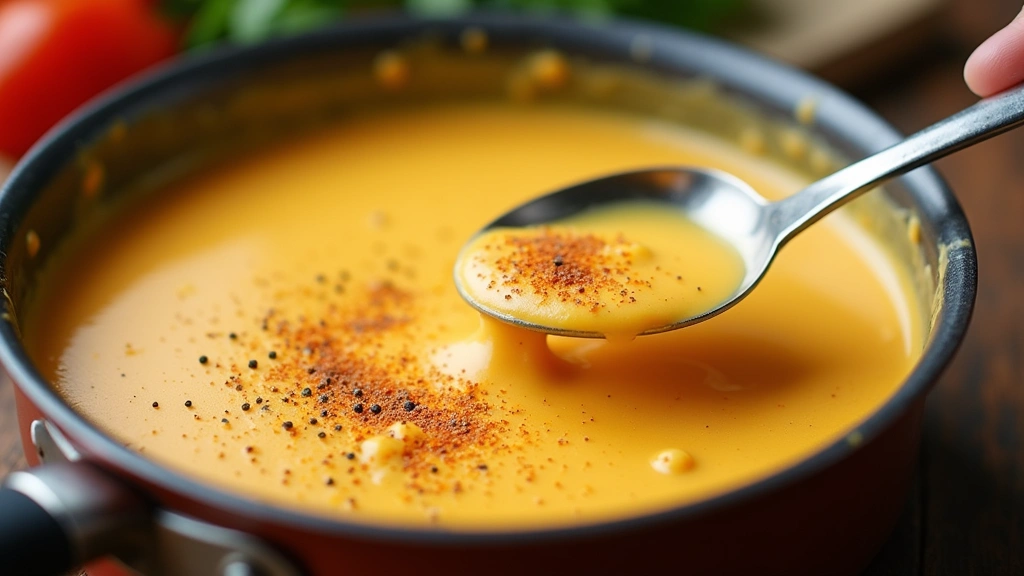
Add salt, black pepper, and paprika to the cheese sauce.
Stir well to integrate the spices evenly throughout the sauce.
Taste and adjust seasoning if necessary.
Ensure the sauce is flavorful and balanced before removing from heat.
Step 6: Combine Pasta and Sauce
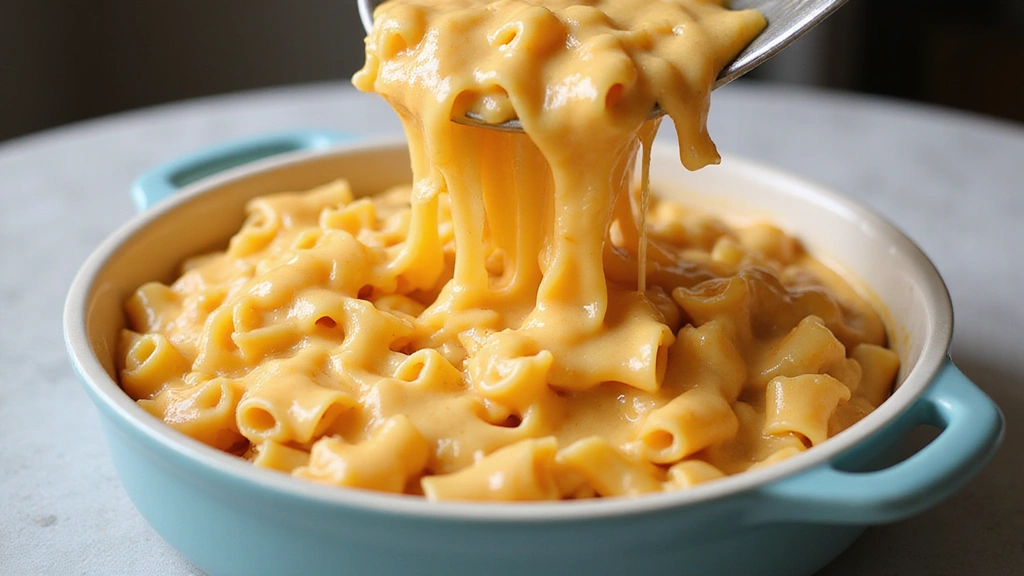
In a large mixing bowl, combine the cooked pasta with the cheese sauce.
Gently stir to coat the macaroni evenly with the sauce.
Ensure every piece of pasta is well-covered.
Transfer the mixture into a greased casserole dish.
Step 7: Add Breadcrumb Topping
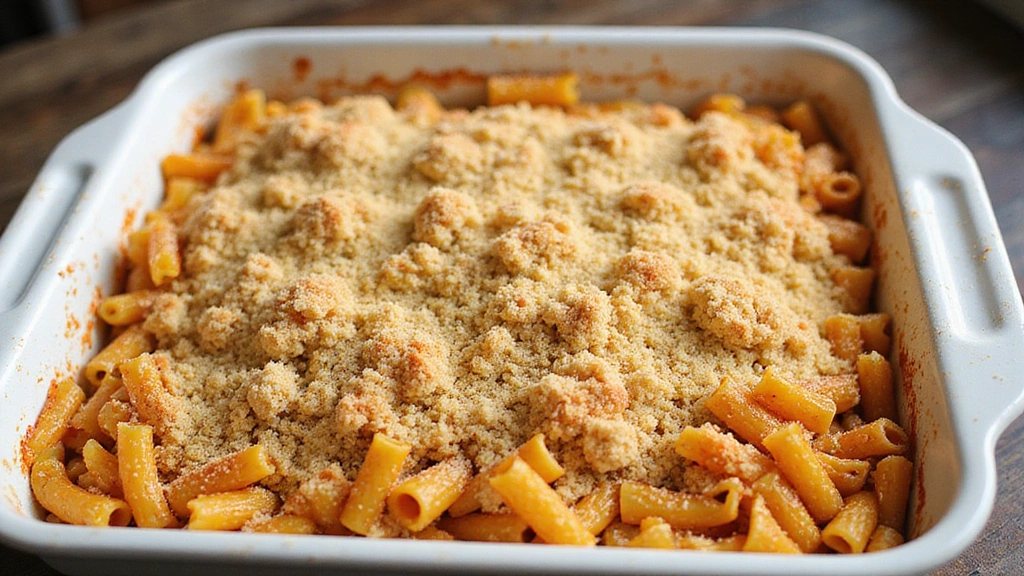
In a small bowl, combine panko breadcrumbs with melted butter.
Stir until the breadcrumbs are evenly coated with butter.
Sprinkle the breadcrumb mixture evenly over the top of the pasta in the dish.
Ensure the topping covers the entire surface for even browning.
Step 8: Bake the Dish
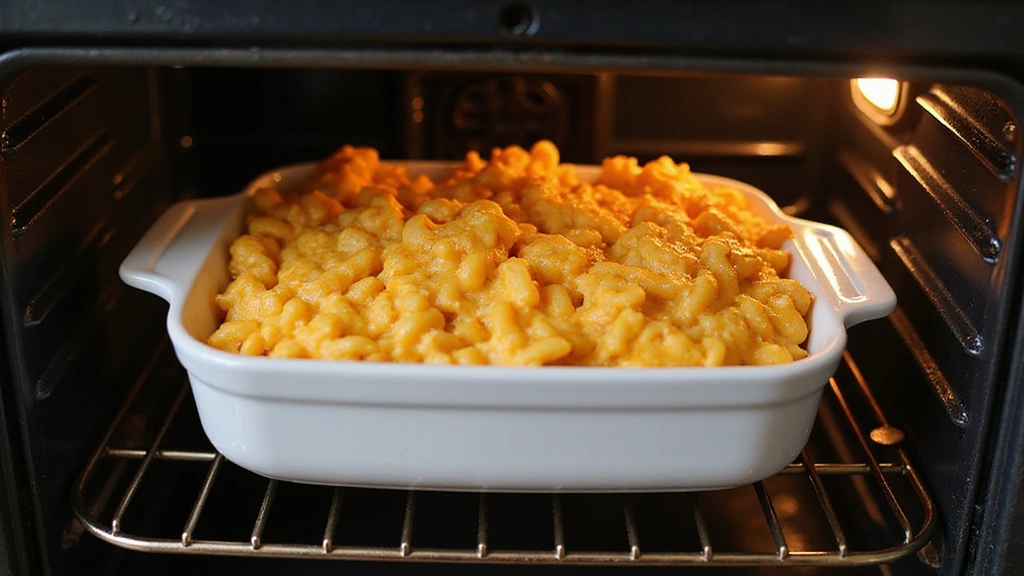
Place the casserole dish in the preheated oven.
Bake for 25-30 minutes or until the top is golden and bubbly.
Check for bubbling cheese around the edges as a sign of doneness.
Remove from the oven and let it rest for a few minutes before serving.
Critical Timing and Temperature Guide
Roux Preparation: Cook the roux for exactly 2-3 minutes at medium heat until lightly golden, avoiding burning by stirring constantly.
Cheese Melting: Keep the sauce on low heat when adding cheese, preventing separation by gradually incorporating cheese until smooth.
Baking: Bake at 350°F (175°C) for 25-30 minutes, looking for a golden top and bubbling edges, avoiding over-browning by monitoring closely.
Pro Tips for Thanksgiving Mac and Cheese
• Ingredient Selection: Use high-quality, aged cheddar and Gruyère for depth of flavor and a creamy texture.
• Preparation Secret: Let the cheese sit at room temperature before melting for a smoother integration into the sauce.
• Temperature Management: Avoid overheating the cheese sauce to prevent it from becoming gritty; maintain low, steady heat.
• Texture Enhancement: Stir the pasta gently to avoid breaking it, ensuring each piece is fully coated with sauce.
• Flavor Layering: Incorporate a pinch of nutmeg into the cheese sauce for a subtle warmth and complexity.
• Make-Ahead Strategies: Prepare the pasta and cheese sauce a day in advance and store separately; assemble and bake just before serving.
• Restaurant-Quality Finishing Touches: Top with a sprinkle of fresh herbs like parsley or chives before serving for a pop of color and freshness.
• Equipment Optimization: Use a silicone spatula for stirring the sauce to scrape the sides and prevent sticking.
Troubleshooting Common Issues
• Sauce Too Thin: Caused by insufficient roux cooking time; thicken by simmering the sauce longer and adding a touch more flour if necessary.
• Cheese Clumping: Results from adding cheese too quickly; melt slowly over low heat, stirring constantly.
• Top Burns Before Center Cooks: Occurs from placing the dish too high in the oven; move to a lower rack and cover with foil if needed.
• Macaroni Overcooked: Prevent by cooking pasta to al dente; monitor closely during boiling to avoid mushiness.
• Flavor Lacks Depth: Ensure proper seasoning by tasting as you go; add additional spices or cheese if flavors are muted.
Variations and Regional Differences
• New England Style: Incorporates lobster or crab meat for a luxurious twist, adding seafood flavor to the creamy base.
• Southern Style: Often includes additional spices like cayenne pepper for a bit of heat and uses a mix of cheeses.
• Midwest Style: Features a breadcrumb topping mixed with Parmesan for extra crunch and a savory finish.
• Italian Influence: Uses a béchamel base with mozzarella and Parmesan, offering a lighter, silkier sauce.
Food Science Behind the Recipe
• Roux as a Thickening Agent: The combination of fat and flour creates a network that traps liquid, resulting in a smooth, stable sauce.
• Emulsification of Cheese: Cheese proteins are suspended in fat, and gradual melting allows for a creamy, non-splitting sauce.
• Browning Reaction: The Maillard reaction on the breadcrumb topping enhances flavor and adds a desirable crispy texture.
Frequently Asked Questions
What's the most common mistake people make when preparing Thanksgiving Mac and Cheese? Overheating the cheese sauce, which can cause it to become grainy and separate.
Can I use pre-shredded cheese? It's best to avoid pre-shredded cheese, as it contains additives that prevent smooth melting.
How can I make this recipe gluten-free? Use gluten-free pasta and substitute the flour with a gluten-free all-purpose blend.
Is it possible to make this dish ahead of time? Yes, prepare the components separately and store them; combine and bake when ready to serve.
Can I freeze leftovers? Yes, freeze in airtight containers, but be aware that the texture may change slightly upon reheating.
What other cheeses can I use? Experiment with cheeses like Fontina or Monterey Jack for different flavor profiles.
How do I prevent the top from burning? Cover with foil if necessary and monitor closely during baking.
Serving and Presentation Guide
• Traditional Presentation: Serve in the baking dish garnished with fresh herbs for a rustic, homestyle look.
• Individual Servings: Use ramekins for personal-sized portions, offering a delicate and elegant presentation.
• Family Style: Present in a large, shallow serving platter with a large spoon for easy sharing and serving.
• Garnished Elegance: Add a sprinkle of paprika or a drizzle of truffle oil for a sophisticated touch.
Conclusion
Thanksgiving Mac and Cheese is a dish that embodies comfort and holiday cheer.
Its rich, creamy texture and flavorful depth make it a standout on any festive table.
I encourage you to try this recipe and share the joy with your family and friends this holiday season.