
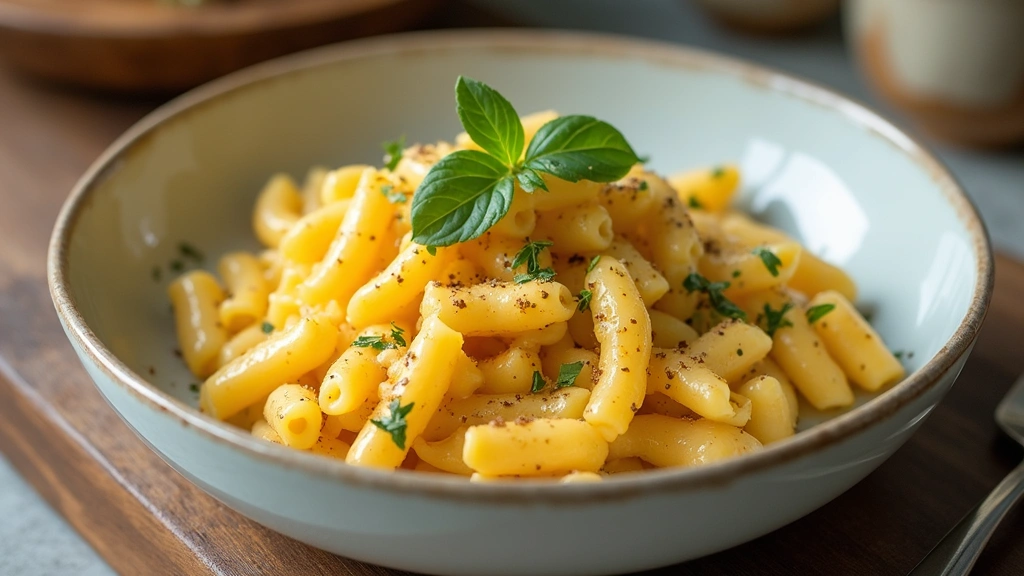
The allure of Vegan Mac and Cheese lies in its creamy texture and savory flavor, all without a trace of dairy.
I first encountered this delightful dish at a cozy vegan cafe on a crisp autumn day, where its warmth was both comforting and satisfying.
The rich, cheesy sauce made from cashews and nutritional yeast perfectly mimics the traditional version, ensuring everyone, vegan or not, can enjoy it.
Whether you’re a lifelong vegan or simply exploring meatless options, this recipe promises a delicious, guilt-free indulgence.
Perfect for a family dinner or a potluck, this Vegan Mac and Cheese is sure to be a crowd-pleaser.
So, roll up your sleeves and prepare to make the best plant-based mac and cheese you’ve ever tasted.
The History and Cultural Significance
• Vegan Mac and Cheese traces its origins to the early 20th century, where it was originally created by health-conscious cooks seeking dairy alternatives.
• The dish evolved over decades as the availability of plant-based ingredients increased, eventually becoming the beloved version we know today.
• In vegan culture, this dish traditionally appears at potlucks and family gatherings, symbolizing comfort and inclusivity.
• While many variations exist across different regions, the authentic version maintains a creamy, cheesy texture that sets it apart from imitations.
Recipe Overview
Nutritional Information (per serving)
Essential Equipment Guide
Blender: A high-speed blender is essential for achieving a smooth, creamy sauce. Alternatives include a food processor, though it may result in a grainier texture. Look for a blender with a powerful motor and multiple speed settings for the best results.
Large Pot: A large pot is necessary for cooking the pasta evenly. A heavy-bottomed pot distributes heat more effectively, preventing the pasta from sticking or burning. If unavailable, a deep saucepan can work, but may require more frequent stirring.
Baking Dish: If you choose to bake the mac and cheese for a crispy top, a good quality baking dish is key. Look for one that is oven-safe and has a non-stick surface to ensure easy cleaning and serving.
Ingredients
For the Sauce
|
|
| Amount | Ingredient | Notes |
|---|---|---|
| 1 cup | raw cashews | soaked overnight to soften |
| 2 tablespoons | nutritional yeast | adds cheesy flavor |
| 1 cup | almond milk | unsweetened, for creaminess |
| 1 teaspoon | garlic powder | for depth of flavor |
| 1 teaspoon | onion powder | enhances savory notes |
| 1 tablespoon | lemon juice | for tanginess |
| 1 teaspoon | salt | to taste |
For the Pasta
| Amount | Ingredient | Notes |
|---|---|---|
| 8 ounces | elbow macaroni | gluten-free if preferred |
Seasonings
| Amount | Ingredient | Notes |
|---|---|---|
| 1 teaspoon | paprika | for a hint of smokiness |
| 1 tablespoon | olive oil | for richness |
Preparation Methods
Soaking Cashews: Soaking cashews is crucial for achieving a creamy sauce. This process softens the nuts, making them easier to blend. For optimal results, soak them overnight in cold water, or for at least 4 hours. If time is short, a quick soak in hot water for 30 minutes can suffice.
Creating a Roux: While traditional mac and cheese uses a butter-flour roux, this vegan version employs a blend of nutritional yeast and almond milk. This technique thickens the sauce and enhances its cheesy flavor. Stir continuously to prevent clumping and ensure a smooth consistency.
Blending: Achieving a smooth sauce requires a high-speed blender. Blend the soaked cashews with the other sauce ingredients on high until completely smooth. If the mixture appears grainy, continue blending and add a splash more almond milk to adjust the consistency.
Step 1: Soak the Cashews
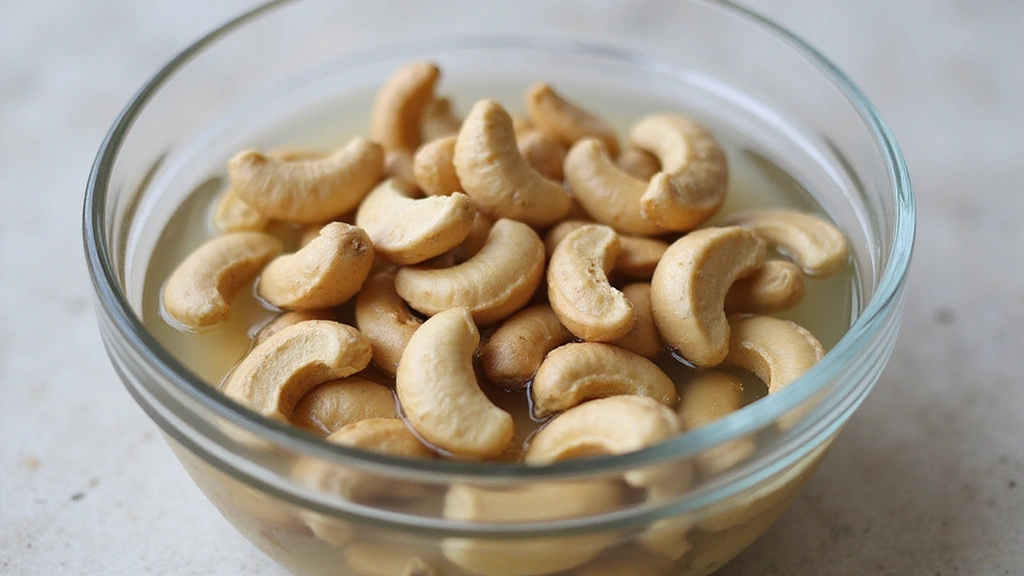
Place raw cashews in a large bowl.
Cover with cold water and let soak overnight.
Ensure cashews are fully submerged.
Drain and rinse before using.
Step 2: Cook the Pasta
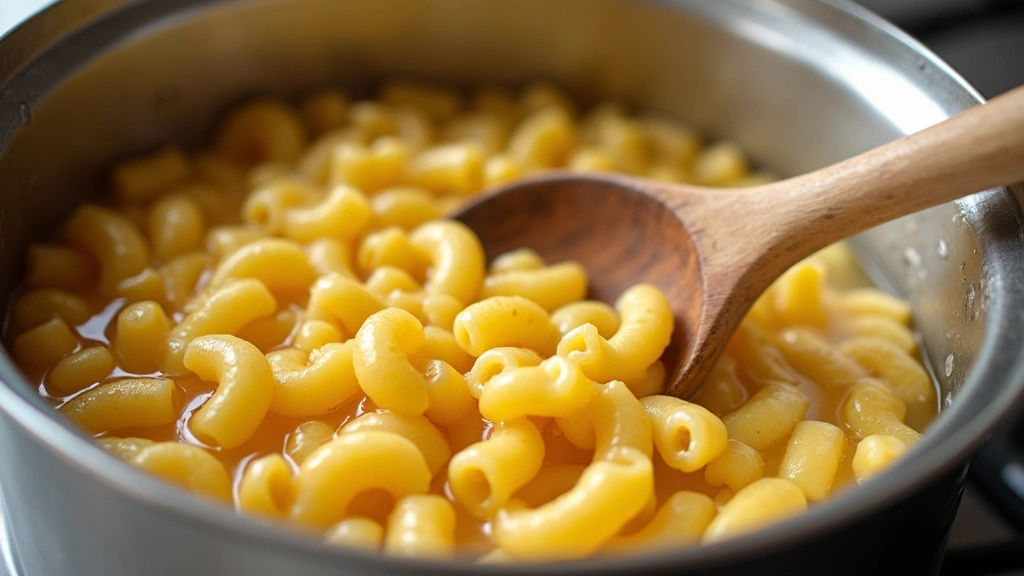
Bring a large pot of salted water to a boil.
Add the elbow macaroni and cook until al dente.
Stir occasionally to prevent sticking.
Drain and set aside, reserving a cup of pasta water.
Step 3: Prepare the Sauce Base
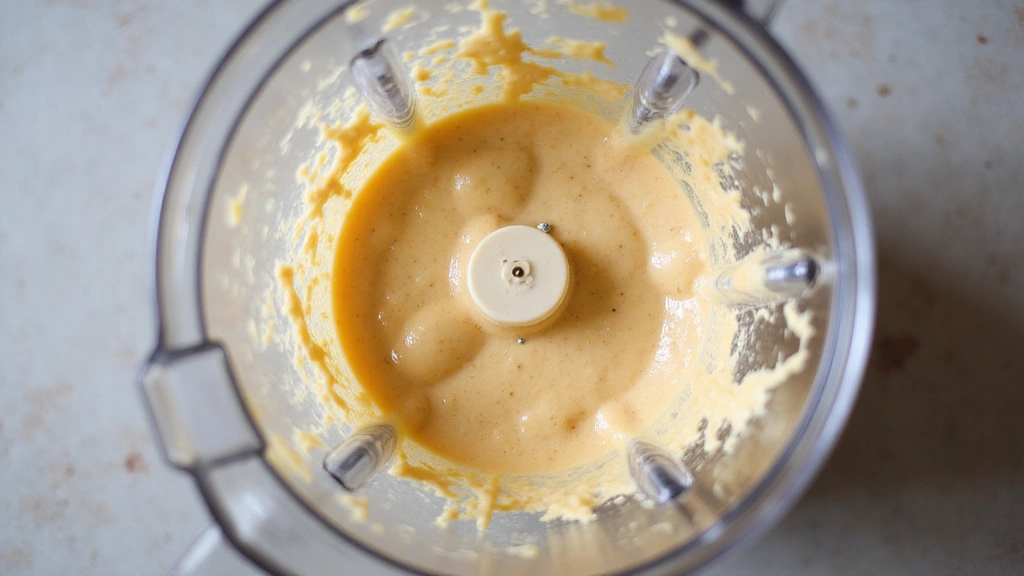
In a blender, combine soaked cashews, nutritional yeast, almond milk, garlic powder, onion powder, lemon juice, and salt.
Blend on high until the mixture is completely smooth.
Pause to scrape down the sides as needed.
Adjust consistency with additional almond milk if too thick.
Step 4: Heat the Sauce
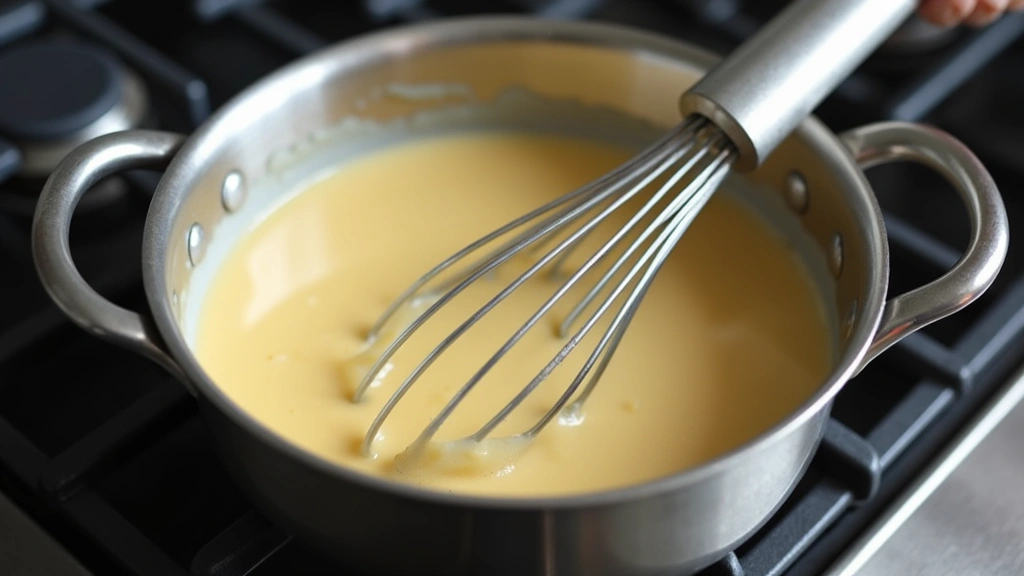
Transfer the blended sauce to a medium saucepan.
Heat over medium heat, stirring continuously.
Allow the sauce to thicken slightly.
Add reserved pasta water gradually to achieve desired consistency.
Step 5: Combine Pasta and Sauce
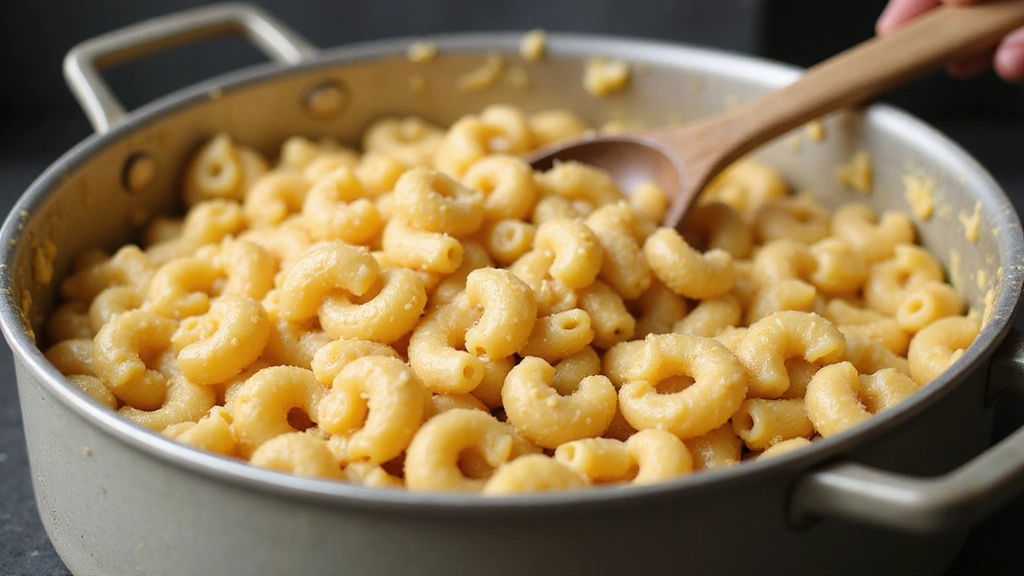
Add cooked pasta to the saucepan with the heated sauce.
Stir gently to coat the pasta evenly.
Ensure the sauce covers all pasta surfaces.
Adjust seasoning with more salt or lemon juice if needed.
Step 6: Season to Taste
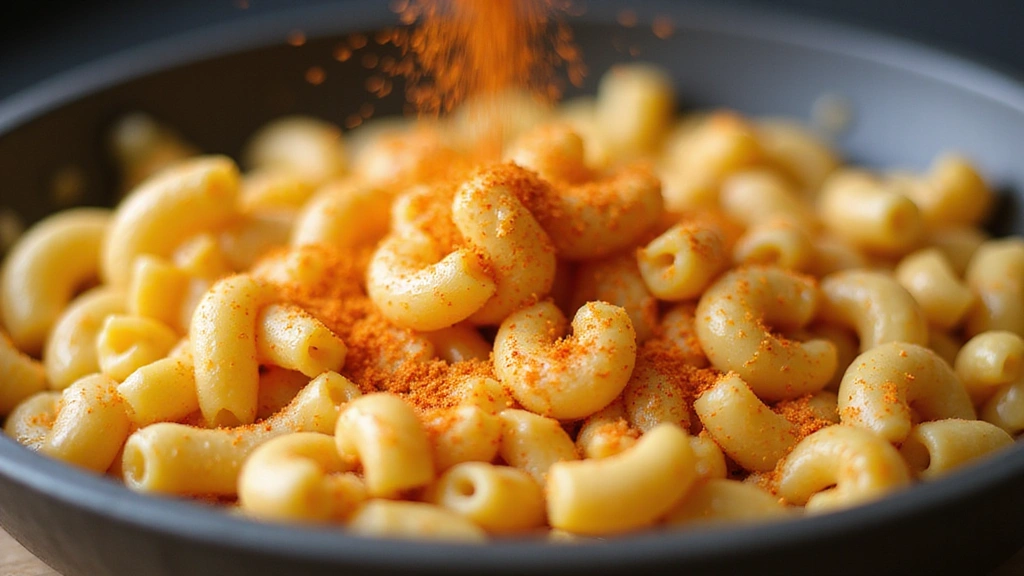
Sprinkle paprika over the pasta and sauce mixture.
Stir to distribute the seasoning evenly.
Taste and adjust spices as desired.
Consider adding a bit more nutritional yeast for extra cheesiness.
Step 7: Optional Baking
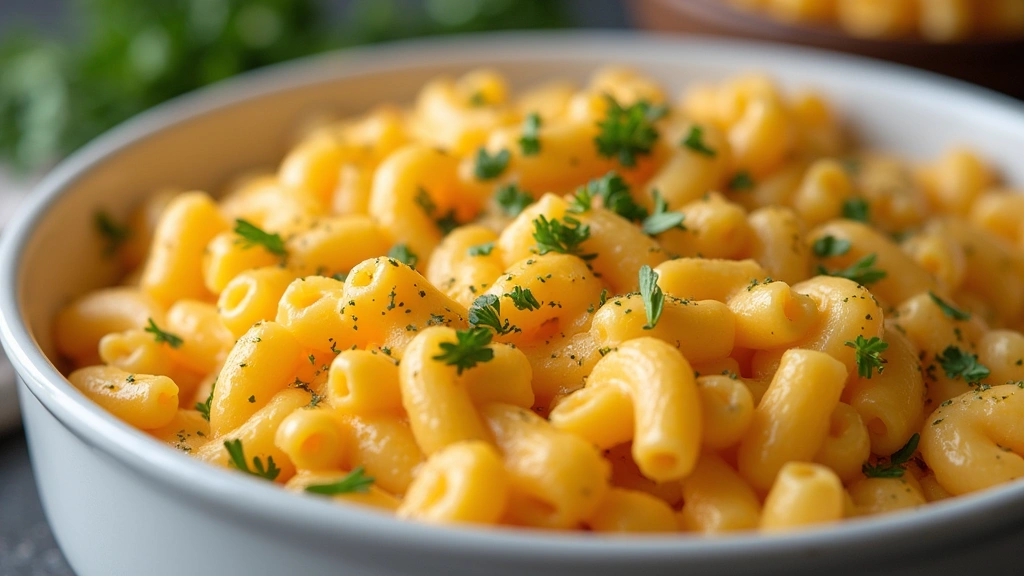
Preheat oven to 350°F (175°C) if baking for a crispy top.
Transfer mac and cheese to a baking dish.
Drizzle with olive oil for a golden finish.
Bake for 15 minutes until the top is slightly crispy.
Step 8: Serve and Enjoy
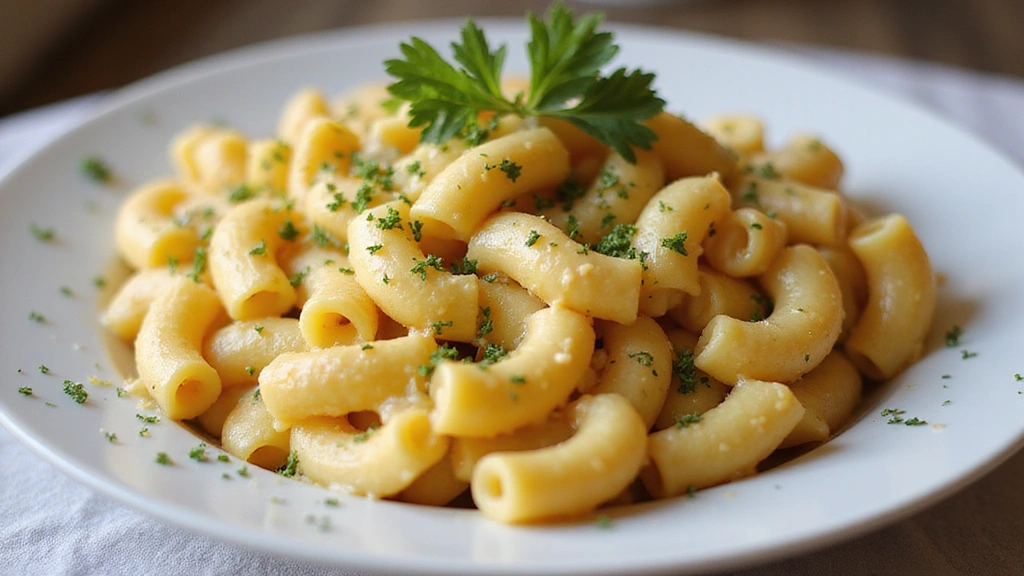
Remove from the oven and let cool for a few minutes.
Serve hot, garnished with fresh herbs if desired.
Pair with a side salad for a complete meal.
Enjoy the creamy, cheesy goodness!
Critical Timing and Temperature Guide
Cooking Pasta: Cook pasta for 7-9 minutes until al dente, with visual indicators being a firm but cooked texture. Avoid overcooking as it will become mushy after combining with the sauce.
Blending Sauce: Blend the sauce for 2-3 minutes on high speed until smooth. A grainy texture indicates that the cashews need more blending or soaking time.
Baking for Crisp Top: Bake at 350°F (175°C) for 15 minutes until the top is golden and crispy. Check if it needs an additional 5 minutes for more crispiness, but watch to avoid burning.
Pro Tips for Vegan Mac and Cheese
• Ingredient Selection: Choose high-quality nutritional yeast for the best cheesy flavor. Opt for raw, unsalted cashews for a neutral, creamy base.
• Preparation Secret: Quick-soak cashews in boiling water for 30 minutes if short on time, ensuring they're adequately softened for blending.
• Temperature Management: Keep sauce over medium heat to prevent scorching. Gradually add pasta water to maintain a smooth, pourable consistency.
• Texture Enhancement: Use a high-speed blender to achieve the silkiest sauce. If a blender is unavailable, strain the sauce to remove any graininess.
• Flavor Layering: Add a pinch of smoked paprika or a dash of hot sauce for depth and complexity. Lemon juice balances the richness of the sauce.
• Make-Ahead Strategies: Prepare the sauce a day in advance and store it in an airtight container in the fridge. Warm gently before combining with pasta.
• Restaurant-Quality Finishing Touches: Garnish with finely chopped chives or parsley for a fresh, vibrant touch.
• Equipment Optimization: A non-stick saucepan is ideal for heating the sauce without sticking, ensuring an even, creamy texture.
Troubleshooting Common Issues
• Sauce Too Grainy: This occurs when cashews are not soaked long enough or not blended adequately. Soak longer and blend at high speed until smooth.
• Flavors Unbalanced: If the sauce tastes flat, adjust by adding more nutritional yeast or a splash of lemon juice. Taste frequently during preparation.
• Texture Too Thick: Gradually add reserved pasta water or more almond milk to thin out the sauce, stirring constantly to maintain even consistency.
• Pasta Overcooked: Overcooked pasta becomes mushy in the sauce. Cook pasta until just al dente and rinse briefly to halt cooking.
• Inconsistent Heating: Uneven heating can cause clumpy sauce. Stir constantly over medium heat and use a heavy-bottomed pan for even distribution.
• Lack of Cheesy Flavor: Ensure sufficient nutritional yeast is used, and consider incorporating a hint of miso paste for additional umami.
Variations and Regional Differences
• Southern-Style: This version includes a spicy kick with added cayenne pepper and a touch of vegan butter for extra richness.
• Italian-Inspired: Incorporates sun-dried tomatoes and fresh basil, offering a Mediterranean twist with vibrant flavors.
• Smoky BBQ: Features smoked paprika and a dash of liquid smoke, creating a barbecue-infused mac and cheese.
• Green Veggie: Adds steamed broccoli and peas for a nutritious, colorful dish packed with extra fiber and vitamins.
Food Science Behind the Recipe
• Emulsification: The blending of cashews and almond milk creates an emulsion, resulting in a smooth, creamy texture. Understanding emulsification helps achieve the sauce's velvety consistency.
• Umami Enhancement: Nutritional yeast contributes umami, a savory taste that enhances the dish's cheesy flavor. Recognizing umami's role is key to flavor depth.
• Thickening with Starches: Pasta water contains starches that help thicken the sauce when combined, ensuring it clings well to the pasta.
Frequently Asked Questions
What's the most common mistake people make when preparing Vegan Mac and Cheese? Overcooking the pasta is a common error, leading to a mushy texture. Cook until al dente and rinse to halt the cooking process.
Can I use a different nut instead of cashews? Yes, macadamias are a good alternative, but they may alter the flavor slightly. Ensure nuts are soaked and blended thoroughly.
Is there a gluten-free option? Absolutely, simply use gluten-free pasta. The sauce is naturally gluten-free.
How do I store leftovers? Store in an airtight container in the fridge for up to three days. Reheat gently on the stove, adding a splash of almond milk to loosen the sauce.
Can I freeze the sauce? Yes, the sauce can be frozen in an airtight container for up to a month. Thaw overnight in the fridge before reheating.
What can I use instead of nutritional yeast? Miso paste can be a substitute, but adjust the quantity to taste due to its stronger flavor.
How do I make it spicier? Add cayenne pepper or hot sauce to the sauce for an extra kick.
Serving and Presentation Guide
• Traditional Presentation: Serve in a shallow bowl, garnished with fresh parsley or chives for a pop of color.
• Family Style: Present in a large baking dish, allowing guests to serve themselves at the table for a communal dining experience.
• Individual Portions: Use ramekins to create personal servings, ideal for portion control and elegant presentation.
• Picnic Style: Pack in eco-friendly containers for a vegan picnic option, served alongside a crisp garden salad.
Conclusion
Embrace the comforting flavors of Vegan Mac and Cheese and enjoy a guilt-free indulgence.
This recipe provides all the cheesy goodness without any dairy, making it perfect for everyone.
Whether it's a casual dinner or a special occasion, this dish is sure to impress.
Try it today and discover the magic of plant-based cooking.